Experts Advise Calm Amid 2026 Ebola Outbreak in Central Africa


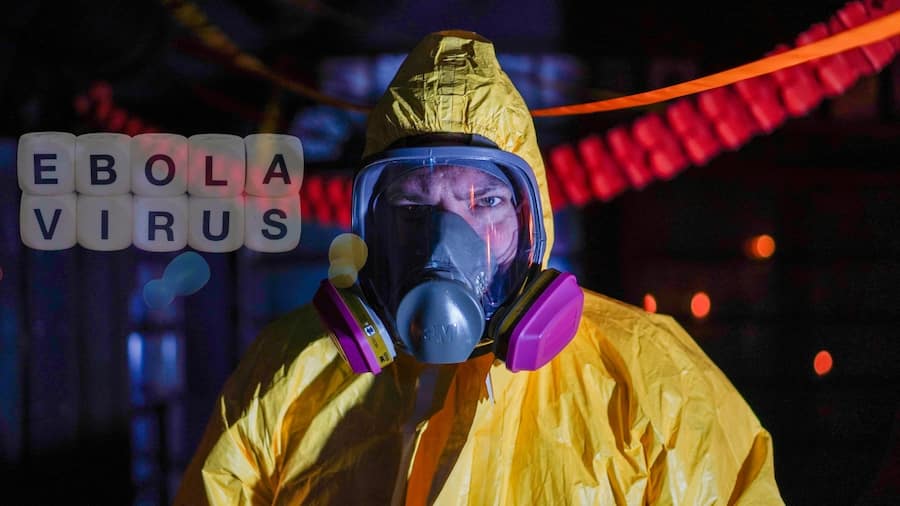
The ongoing Ebola outbreak in Central Africa has ignited concerns regarding public health, particularly in countries far from the epicentre. Current reports indicate that more than 1,000 suspected infections have been recorded, with the Democratic Republic of the Congo noted as the outbreak's centre. While worldwide anxiety mounts, health experts are urging calm and explaining the nature of the virus and its transmission.
Ebola virus disease (EVD) results from an infection caused by the Ebola virus, which primarily affects humans and non-human primates. First discovered in 1976, close contact with infected animals, notably fruit bats, carries the risk of transmission to humans. Dr. Divya K. S., an Infectious Diseases Specialist at Apollo Hospitals in Bengaluru, emphasised that despite Ebola's high fatality rate, it does not spread easily.
"Ebola is largely restricted to African countries, and its transmission requires direct contact with bodily fluids of an infected person or animal," said Dr. Divya. The virus does not spread through the air, making casual contact with an infected individual unlikely to result in transmission. Typical early symptoms include high fever, body aches, headaches, fatigue, and gastrointestinal issues. In severe cases, patients may experience bleeding and multiple organ dysfunction.
Authorities in affected regions continue to monitor the situation closely. According to the World Health Organization, there have been confirmed cases in Uganda, with some linked back to the Democratic Republic of the Congo. The Centres for Disease Control and Prevention (CDC) has expressed that widespread transmission of the virus in the United States or other non-epidemic regions is unlikely.
As containment efforts advance, Dr. Divya reiterated the low risk for countries like India. "We need to remain alert but not panic. Awareness and standard hygiene measures, like regular handwashing, are essential. The public should mainly be concerned if they have travelled to the epicentres in the last 21 days."
Health officials encourage those returning from affected regions to monitor for symptoms and seek medical attention if necessary. Despite high-profile outbreaks in the past, experts maintain that Ebola has historically remained within Africa and does not spontaneously appear in regions where it is not endemic.
Testing for Ebola involves a blood sample analysed through Polymerase Chain Reaction (PCR) methods. Currently, such testing is not widely available outside the affected areas, given that no cases have been confirmed outside Africa thus far.
The situation continues to develop, and health organisations stress the need for a collaborative global response to effectively manage and contain the outbreak. Keeping the public informed through reliable sources is key to maintaining calm and ensuring awareness. The risk levels could change as new data comes in, but at present, experts agree that the immediate threat remains low, and infection control measures are in place within the public health system.

Kerala Initiates Probe into 2006 Suicide Case Involving CEC

Extradition of Sheikh Hasina Feasible, Says Indian High Commissioner

Punjabi Makeup Artist Mad Sandhu Shot Dead in Amritsar

India Achieves Fourth Place at Asian Games 2026 Through Late Success