Emirates and Flydubai Sustain Flight Operations Amid Regional Challenges


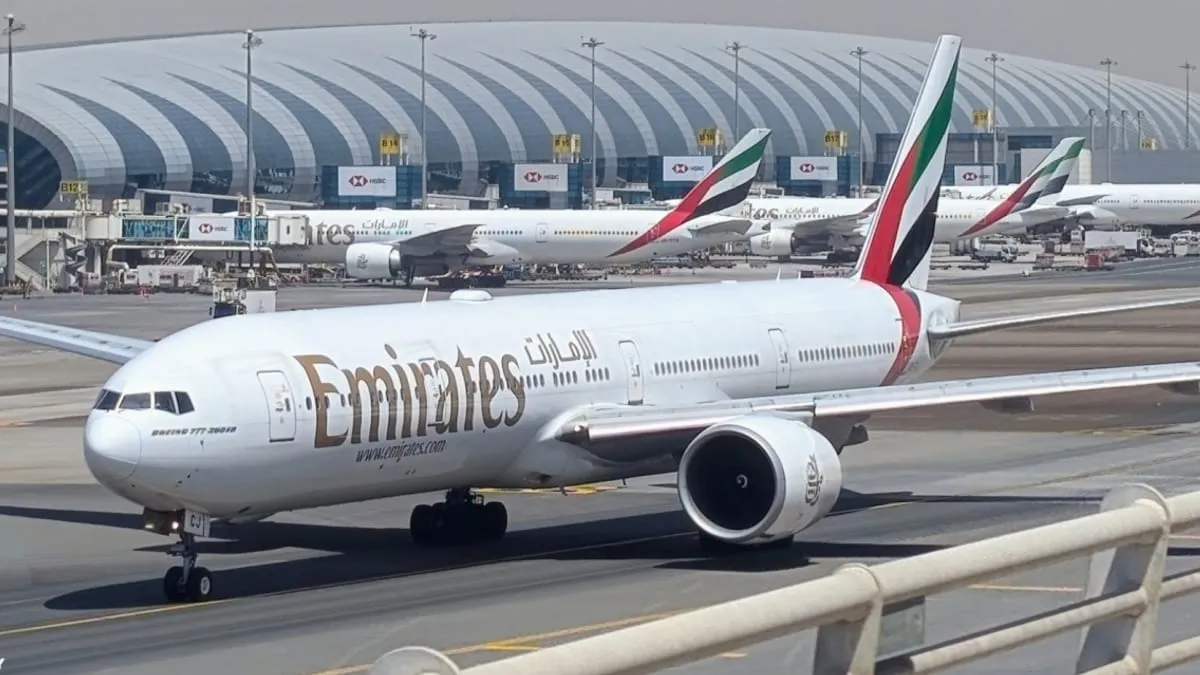
Emirates and Flydubai are continuing to provide stable flight operations from Dubai International Airport, with a total of 427 departures scheduled over the weekend of March 29 and 30. Data indicates that Emirates and Flydubai will operate 218 flights on Sunday and 209 on Monday, highlighting a cautious recovery in the aviation sector of the United Arab Emirates despite ongoing regional airspace challenges.
The schedule data, sourced from publicly available flight listings, suggests that the airlines are managing operations effectively in the face of disruptions that have affected airspace recently. This concerted effort results in a sequential departure count that remains close to the 200-flight mark on both days, suggesting a focus on consistent scheduling, which is crucial for passenger confidence and travel planning.
Regional airspace constraints have posed significant challenges for airlines based in Dubai, leading to many cancellations and rescheduling of flights in recent weeks. However, maintaining over 200 departures per day signifies a strategic shift towards more controlled and sustainable operations. Analysts view this as a pivotal indication that airlines are beginning to navigate the complexities of the current airspace environment.
Emirates, the flagship carrier of Dubai, plays a vital role in connecting the emirate with major destinations across six continents. The airline is reportedly prioritising its highest-demand routes, including those to Europe, North America, and parts of Asia and the South Pacific. Within the combined operations from Dubai, Emirates is understood to command a larger share of the long-haul flights, particularly utilising its Airbus A380 and Boeing 777 aircraft.
Flight schedules have been adjusted according to changing airspace conditions. Even with a fair amount of stability in terms of departure counts, some routes are still experiencing longer flight paths or altered timings, which can lead to operational challenges related to aircraft management and crew scheduling.
Flydubai continues to enhance Dubai's connectivity on short and medium-haul routes, especially within the Middle East and parts of Africa and Eastern Europe. Its operations complement those of Emirates and focus on regional and niche routes. Recent reports indicated that Flydubai faced disruptions early on due to changes in regional airspace but has since stabilised its weekend schedule.
Travel analysts emphasise the importance of maintaining reliable services, especially for local residents and business travellers, who depend on Flydubai's frequent and typically lower-cost flights. The airline plays a critical role in sustaining travel confidence even amidst reduced frequencies compared to historical data.
Dubai International Airport remains one of the busiest airports worldwide but is operating below its full capacity at around 40 to 45 percent of usual schedules, according to airport sources. With Emirates and Flydubai accounting for the majority of movements, the weekend's combined total of 427 flights illustrates the ongoing challenges facing the aviation industry and the progress being made towards recovery.
Before recent disruptions, Dubai International routinely managed significantly higher daily flight volumes, particularly in the overnight and early morning periods. As operations evolve, foreign carriers are also adjusting schedules, with some routes utilizing smaller aircraft and others operating at reduced frequency, reflecting the sector's ongoing adaptation to the current landscape.

Trump and Xi Discuss Trade, AI, and Taiwan Amid Diplomatic Tensions

Xi Jinping Seeks Greater Concessions from Trump Amid Trade Talks

Iran's President Addresses Ongoing Conflict and External Threats

United States Invites Vladimir Putin to Miami G20 Summit