Ebola Vaccine Research Accelerates Amidst Ongoing Outbreak


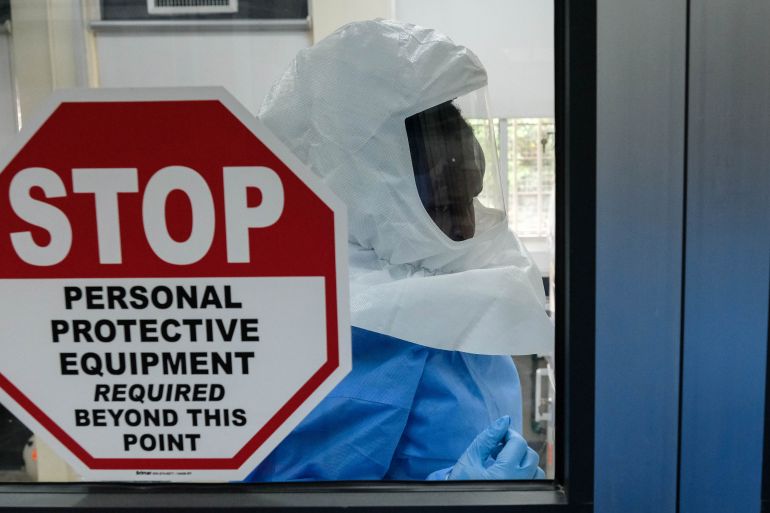
Research into new Ebola vaccines is being expedited due to the escalating crisis in East Africa, where a severe outbreak is causing alarm among health officials. The Africa Centres for Disease Control and Prevention reported on May 15 that the latest outbreak, linked to a rare strain of the virus, was first identified in the eastern Democratic Republic of the Congo (DRC). The situation has worsened significantly, with the disease spreading to Uganda, which shares border communities with the DRC.
The World Health Organization (WHO) declared a public health emergency just two days after the initial outbreak was reported. By that point, hundreds of individuals had already been confirmed as infected. The WHO noted that ongoing conflict in the DRC is exacerbating efforts to manage the outbreak.
As of June 2, medical authorities confirmed at least 321 cases in the DRC, with a further 116 suspected. The outbreak has sadly claimed 48 lives, though six patients have recovered. In Uganda, the WHO confirmed nine cases and reported one death, while the Ugandan government later announced an additional six cases, bringing the nation's total to 15.
Experts warn that this outbreak could become one of the most severe in history, potentially rivaling the devastating West African outbreak that occurred from 2014 to 2016, during which roughly 29,000 people were infected, and more than 11,000 died. The lack of available vaccines and protective equipment poses a significant challenge to healthcare workers, leading to a grim outlook for those affected by the current epidemic.
“It’s always challenging to respond to any Ebola outbreak, especially in a context where there are already massive humanitarian needs,” stated Trish Newport, deputy manager of Ebola programmes in DRC for Doctors Without Borders (MSF). Newport also highlighted the detrimental impact of funding cuts on healthcare responses in the affected regions.
The current outbreak is attributed to the Bundibugyo virus, which first emerged in Uganda in 2007 and was later identified in the DRC in 2012. This strain differs from the more commonly known Zaire Ebola virus, responsible for more recent outbreaks, including the 2014-2016 epidemic. While vaccines exist for the Zaire strain, such as the Ervebo vaccine produced by Merck and a two-dose vaccine developed by Johnson and Johnson, the less frequent incidence of Bundibugyo outbreaks has hindered relevant vaccine development and trials.
“This is only the third occurrence of Bundibugyo in history, which does not attract the research and development attention that other strains do,” Newport added, emphasising that for pharmaceutical companies, the development of vaccines for Bundibugyo is not treated as a priority.
Vaccines designed for one strain cannot be used interchangeably without rigorous testing and official approval from the WHO. In addition to the vaccines, experimental treatments such as MBP134, an antibody therapy, have been recommended for use in this outbreak by independent experts from the WHO.
Currently, the general treatment for Bundibugyo focuses on symptomatic relief similar to influenza management, including hydration and maintaining blood pressure. Three vaccines are under evaluation for emergency trials, as confirmed by the Coalition for Epidemic Preparedness Innovations (CEPI), which is funding this initiative. However, timelines for the trials have not been disclosed. Preliminary stages of vaccine research and testing typically take years, while production could take several months.
These vaccines are expected to be manufactured by the Serum Institute of India. Nonetheless, there are concerns regarding community acceptance in the DRC, where stigma and misinformation about Ebola have historically led to mistrust of healthcare initiatives, including vaccinations. This mistrust was evident last week when protests erupted in the Rwampara region, where demonstrators damaged hospital facilities amid fears surrounding the burial of deceased relatives.
Despite these challenges, experts stress that the availability of vaccines for the Bundibugyo virus could substantially curb the spread of the disease. Existing vaccines for the Zaire strain are administered to those who may encounter infected persons, providing a layer of immunity for healthcare personnel and at-risk individuals.
Kerala Initiates Probe into 2006 Suicide Case Involving CEC

Extradition of Sheikh Hasina Feasible, Says Indian High Commissioner

Punjabi Makeup Artist Mad Sandhu Shot Dead in Amritsar

India Achieves Fourth Place at Asian Games 2026 Through Late Success