Delhi Government Unveils Ambitious Electric Vehicle Policy 2026


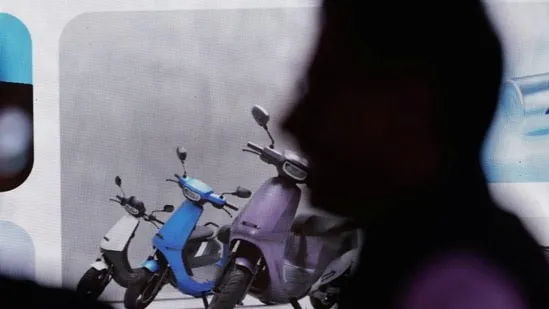
In a significant policy shift, the Delhi government has proposed a new electric vehicle (EV) strategy, aiming to promote sustainable transport and tackle severe air pollution in the capital. The draft policy, unveiled on Saturday, includes several initiatives designed to phase out internal combustion engine (ICE) vehicles, pushing for a more extensive adoption of electric vehicles in the years to come.
Zero Tax on Electric Vehicles
One of the key features of the policy is the elimination of registration fees and road tax for electric cars priced up to ₹30 lakh (approximately £30,000) until March 31, 2030. This initiative is expected to save buyers between ₹1.5 lakh and ₹2.5 lakh depending on the vehicle. However, vehicles priced above this threshold will not be eligible for such benefits, while 'strong hybrid' vehicles will receive a 50% tax exemption.
The proposal also outlines incentives for purchasing electric two-wheelers, which make up a significant portion of the Delhi vehicle population. Residents planning to buy an electric two-wheeler priced under ₹2.25 lakh will receive a subsidy of ₹10,000 per kilowatt-hour (kWh) for the first year, capped at ₹30,000. This incentive reduces over the subsequent two years, as the policy aims to encourage early adoption while managing fiscal costs.
Transition to Electric Two-Wheelers by 2028
Furthermore, the draft policy states that no petrol or diesel two-wheelers will be permitted registration after April 1, 2028. This stringent measure is part of a broader plan to switch all two-wheeler registrations to electric. From January 1, 2027, only electric three-wheelers and auto-rickshaws will be able to register, marking a decisive shift in the city's transport landscape.
In addition to the financial incentives for individuals, the Delhi government is also focusing on the electric bus fleet. The policy mandates that by the end of March 2030, at least 30% of school buses must operate on electric power. All new government vehicles are required to be electric, reinforcing the push for clean transport in state-funded operations.
Investment in Infrastructure
To support these initiatives, the Delhi government has allocated ₹3,954 crore (£394 million) towards the policy rollout. This budget includes ₹1,236 crore for purchase incentives, ₹1,718 crore for scrapping bonuses aimed at encouraging the transition from older vehicles, and ₹1,000 crore earmarked for the development of EV charging infrastructure.
A plan to develop a robust network of charging stations across the city will be initiated by Delhi Transco Limited, the designated nodal agency. The policy emphasizes the urgency of expanding charging facilities, battery swapping services, and the establishment of collection centres for expired batteries through public-private partnerships.
Environmental Impact and Future Goals
The draft policy comes in response to the alarming air quality levels in Delhi, which has consistently ranked among the most polluted cities worldwide. The new regulations aim to significantly reduce vehicular emissions, which contributed to nearly 53% of the local PM2.5 pollution during peak periods, as reported by the Centre for Science and Environment.
Chief Minister Rekha Gupta commented on the plan, stating, "The proposed Delhi EV Draft Policy 2026 is a significant step towards establishing a clean, accessible, and sustainable transport system in the capital. Extensive financial incentives, tax exemptions, mandatory provisions, and infrastructure development have been emphasised to promote electric vehicles in Delhi."
Public engagement in the form of suggestions on the draft policy is welcomed for the next 30 days, providing an opportunity for residents to contribute to shaping the future of transport in Delhi. The government aims to create a comprehensive ecosystem for electric vehicles that not only incentivizes purchases but also fosters a responsible stewardship of the environment and public health.
Kerala Initiates Probe into 2006 Suicide Case Involving CEC

Extradition of Sheikh Hasina Feasible, Says Indian High Commissioner
Punjabi Makeup Artist Mad Sandhu Shot Dead in Amritsar
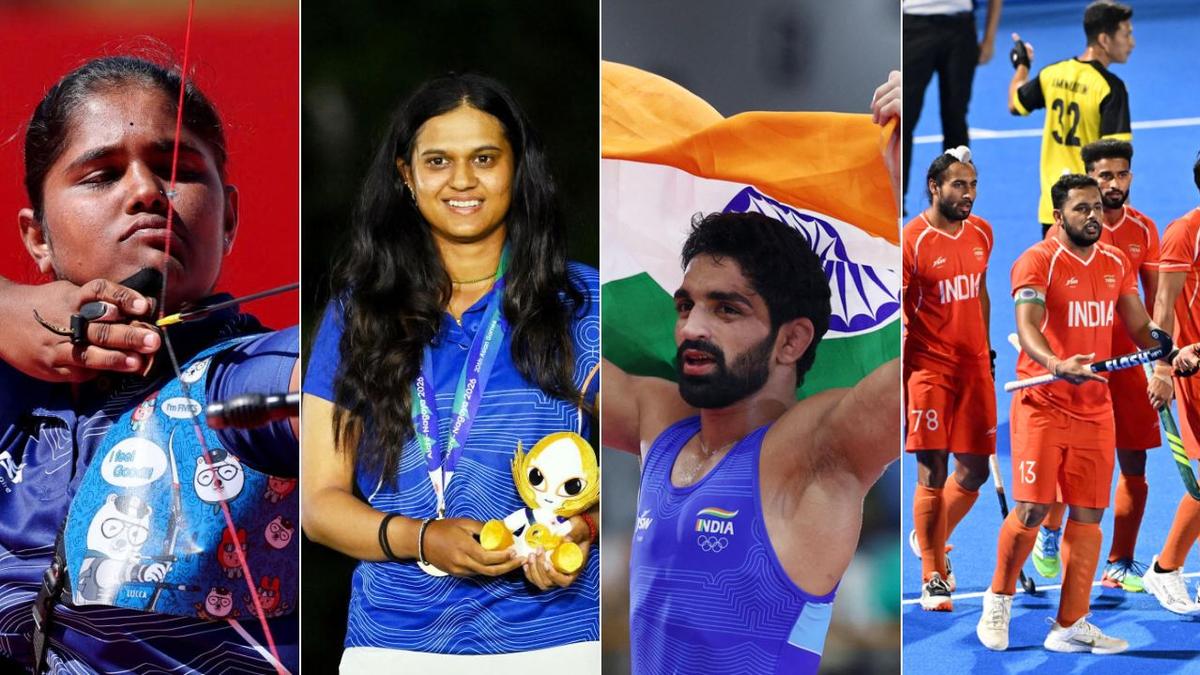
India Achieves Fourth Place at Asian Games 2026 Through Late Success