Xi Jinping Seeks Greater Concessions from Trump Amid Trade Talks


Chinese President Xi Jinping's recent discussions with United States President Donald Trump focused on key issues of trade, technology, and Taiwan. Xi's primary objective was to advocate for a cessation of what China perceives as American efforts to contain its emergence as a global superpower.
Despite being warmly welcomed with a ceremonial reception, Xi did not achieve all his aims during the summit. Notably, the temporary trade truce between the two nations, which had initially paused a protracted tariff conflict, was only extended until January. Xi's administration had hoped for a longer extension of at least a year. This limited reprieve indicates that the United States expects China to make additional commitments before considering longer-term trade concessions.
Domestically, Xi Jinping's government appears to be grappling with economic challenges. Even as exports to international markets reach record levels, consumer confidence within China is waning. The high unemployment rates among young people and a significant drop in property prices—a sector in which approximately 80% of Chinese citizens have a vested interest—further complicate the economic environment. As a result, safeguarding trade relationships has become increasingly crucial for Xi, especially in light of potential tariffs that could undermine China's economic stability.
A contentious point during the discussions was the relationship between the United States and Taiwan. Xi underscored that United States arms sales to the self-governing island represent a crucial issue for China. According to US law, the country must provide Taiwan with resources necessary for self-defence. Earlier in May, Xi expressed concerns to Trump about the ramifications of mismanaging this relationship, warning of possible conflict. Notably, Trump had postponed the approval of a substantial arms package for Taiwan, highlighting the delicate balance in negotiations. In urging for a reduction in US military support to Taiwan, Xi articulated his stance that this could mitigate the risks of conflict.
Artificial intelligence also featured in the talks, although concrete agreements remain unclear. Participants observed that Trump has previously dismissed fears surrounding the potential dangers of AI development. Xi reiterated the necessity of ensuring that AI systems remain under human oversight, though specifics on any forward-looking agreements were not disclosed.
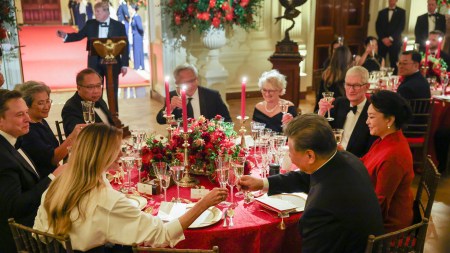
Meanwhile, the visit included cultural gestures, such as the anticipated arrival of two pandas in the United States. This diplomatic move, often termed 'panda diplomacy,' highlights softer approaches to bilateral relations. The official visit showcased a lavish reception, with traditional Chinese cuisine featuring prominently during the state banquet.
Overall, the reception Xi received—from personal greetings at the airport to formal diplomatic proceedings—appears to have positively resonated within China, reinforcing Xi’s stature domestically as he navigates his relationship with the unpredictable Trump administration. However, while personal rapport may foster smoother interactions, the structural competition between China and the United States remains intense, particularly regarding global influence and economic supremacy.
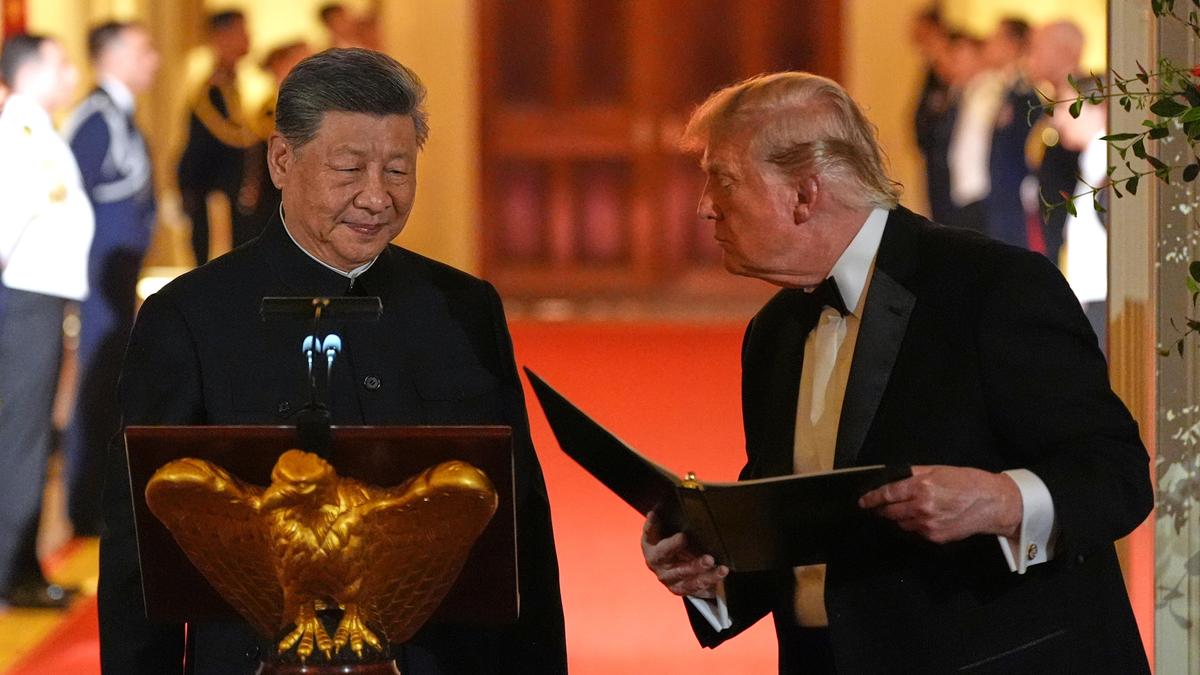
Trump and Xi Discuss Trade, AI, and Taiwan Amid Diplomatic Tensions
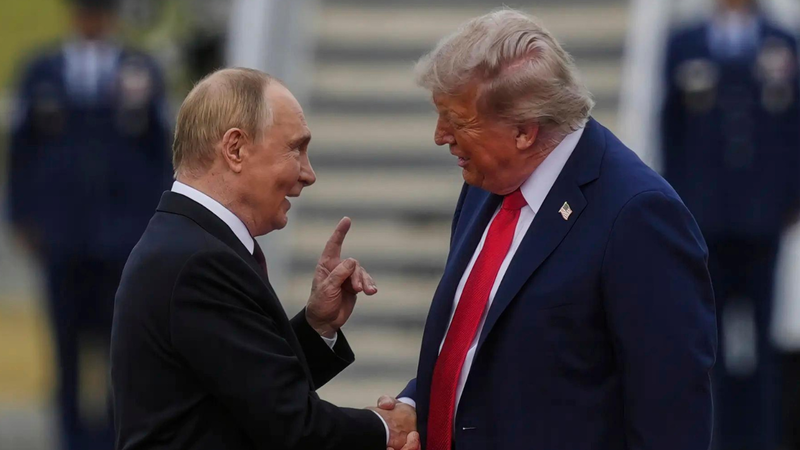
United States Invites Vladimir Putin to Miami G20 Summit

Prime Minister Modi Engages Youth in Seva Sankalp Yatra Initiative
Indian CDS Subramani Advocates Stronger Military Networks