World Diabetes Day 2026: Emphasising Early Prevention Strategies


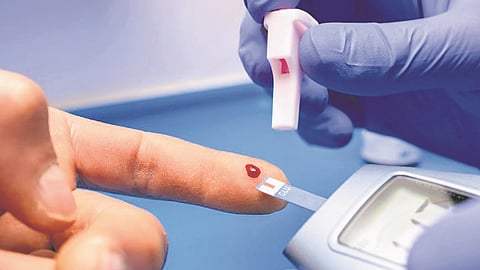
World Diabetes Day is commemorated on 14 November each year, serving as a platform to amplify awareness regarding diabetes, a condition that affects millions globally. India is one of the countries significantly burdened by this disease. Contrary to the common belief that diabetes solely arises from sugar intake, medical professionals assert that the issue is much more complex. Preventative measures should initiate well before blood sugar levels become elevated. If not adequately managed, diabetes can lead to severe complications affecting vital organs such as the heart, kidneys, and eyes.
Understanding Diabetes
Dr. Deepak Thiriveedi, a consultant endocrinologist at AGI Hospital, explains that metabolic shifts in the body, which include how food is processed for energy, can pave the way for diabetes long before symptoms manifest. He points out that insulin resistance, wherein the body fails to respond properly to insulin, is among the earliest indicators. Dr. Ravi Sankar Erukulapati from Apollo Hospitals supports this view, noting that metabolic dysfunction can commence years prior to any abnormalities in glucose levels.
Early stages of diabetes often present no overt symptoms, making regular screenings crucial. Dr. Deepak identifies indicators such as an expanding waistline, weight gain around the abdomen, and the darkening of skin in certain areas like the neck and armpits as potential caution signs. A person may feel entirely well despite having prediabetes; hence, he recommends routine testing for early detection.
Screening Recommendations
Dr. Deepak advises fasting blood glucose and glycated haemoglobin (HbA1c) tests as primary tools for initial assessments, supported by oral glucose tolerance tests for specific individuals. Additionally, measuring one’s waist circumference, blood pressure, and lipid profile can provide a clearer picture of metabolic health. Dr. Ravi Sankar highlights that individuals over 35 years should be screened, while those with heightened risk factors may need annual assessments.
Factors contributing to diabetes risk include family history, abdominal obesity, sedentary behaviour, hypertension, fatty liver, and polycystic ovary syndrome. Notably, the Indian population faces an elevated risk, as diabetes can develop at younger ages and lesser body weights compared with other demographics.
Preventative Measures
Lifestyle changes are among the most effective strategies to prevent or delay the onset of Type 2 diabetes. Although genetics play a substantial role, the way individuals choose to live can influence if this predisposition progresses into diabetes, as highlighted by Dr. Ravi Sankar. Research indicates that losing between 5 to 7 per cent of body weight while engaging in regular physical activity and maintaining a nutritious diet can significantly decrease the risk, particularly for those who are overweight.
Dr. Deepak stresses the importance of making even minor, sustained lifestyle modifications. Under Dr. Ravi Sankar’s guidance, activities like brisk walking, combined with consuming balanced meals rich in vegetables and proteins while avoiding excessive intake of refined carbohydrates and sugary beverages, are recommended. He also suggests breaking long periods of inactivity with short walks.
Addressing Misconceptions
Common misconceptions about diabetes can obstruct effective prevention measures. Many individuals erroneously believe that it stems solely from high sugar consumption or that it prevails only among the overweight. Dr. Deepak clarifies, "Managing portion sizes, ensuring balanced nutrition, and engaging in regular exercise are key rather than cutting out one specific food entirely." Dr. Ravi Sankar reinforces this, stating, “Effective prevention demands a holistic approach to lifestyle management.”
CPCB Considers Increasing Monitoring of Air Quality Standards
Bangladesh Government Rejects Sheikh Hasina's Passport Request
US Sanctions Causing Severe Economic Hardship in Iran, Rubio States
Iran's Security Chief Confirms No Ongoing Talks with the US