Bangladesh Government Rejects Sheikh Hasina's Passport Request


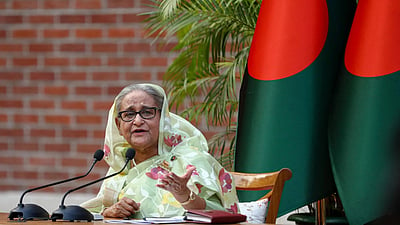
Sheikh Hasina, the ousted Prime Minister of Bangladesh, has been informed by the Chief Prosecutor of the International Crimes Tribunal, Md Aminul Islam, that she has no legal recourse to avoid the execution of her death sentence. This declaration came on Tuesday, following Hasina's attempt to acquire a new passport through a legal chamber based in London. She has indicated a desire to return to Bangladesh in December to confront her legal challenges.
Hasina, 79, has been residing in India after leaving Bangladesh in August 2024 amidst civil unrest that resulted in the fall of her Awami League government. She was convicted in absentia for crimes against humanity, linked to a severe crackdown on protests, during which it is reported that up to 1,400 individuals were killed.
The Chief Prosecutor dismissed the possibility of Hasina receiving a passport, referencing the Bangladesh Passport Order of 1973, which prohibits issuing travel documents to individuals facing significant criminal charges, particularly those convicted of crimes involving moral turpitude.
He stated, "If she genuinely wanted to return to Bangladesh, she would have come back while the trial was ongoing and faced the case. She would also have returned within 30 days of the publication of the verdict to file an appeal."
The Chief Prosecutor raised doubts regarding the legitimacy of Hasina’s application, explaining that it had not come directly from her and that no verifiable legal agreement existed between her and the law firm. He emphasized that if Hasina aimed to return to Bangladesh, she should submit a formal request to the Indian government for extradition.
In a separate comment, Zahed Ur Rahman, the adviser to the Prime Minister on Information and Broadcasting, clarified that claims regarding Hasina applying for a passport were inaccurate, stating that a law firm had simply made a request for arrangements rather than a formal application being made by Hasina herself.
Hasina's previous passport and national identity card were reportedly revoked by the interim government led by Muhammad Yunus, after her ousting. Following the transition in government to the Bangladesh Nationalist Party, led by Tarique Rahman, Hasina’s situation remains precarious. Rahman noted that Hasina's conviction is not comparable to that of an ordinary criminal offence, as crimes against humanity encompass a greater severity.
According to Article 47 of the Bangladesh Constitution, individuals convicted of crimes against humanity forfeit certain fundamental rights. In response to the ongoing developments, Home Minister Salahuddin Ahmed announced that government agencies are reviewing Hasina’s applications for authenticity and legal validity.
The Ministries of Foreign Affairs and Law are tasked with determining the legality of her requests, assessing whether her applications were properly submitted and if she holds any legal grounds for applying for new documents. Minister for Foreign Affairs Humaiun Kobir labelled Hasina's claims as "utterly ridiculous", asserting that Bangladesh remains committed to repatriating her under the existing extradition treaty.
Hasina, who is the daughter of the founding leader Sheikh Mujibur Rahman, governed Bangladesh for 15 years before her removal. Her administration faced allegations of human rights violations and suppression of dissent, leading to her party being banned from political activities post-ousting. Excitement remains amongst political analysts regarding the implications her potential return might have on Bangladesh’s political landscape, amid the ongoing tensions within the country.
CPCB Considers Increasing Monitoring of Air Quality Standards
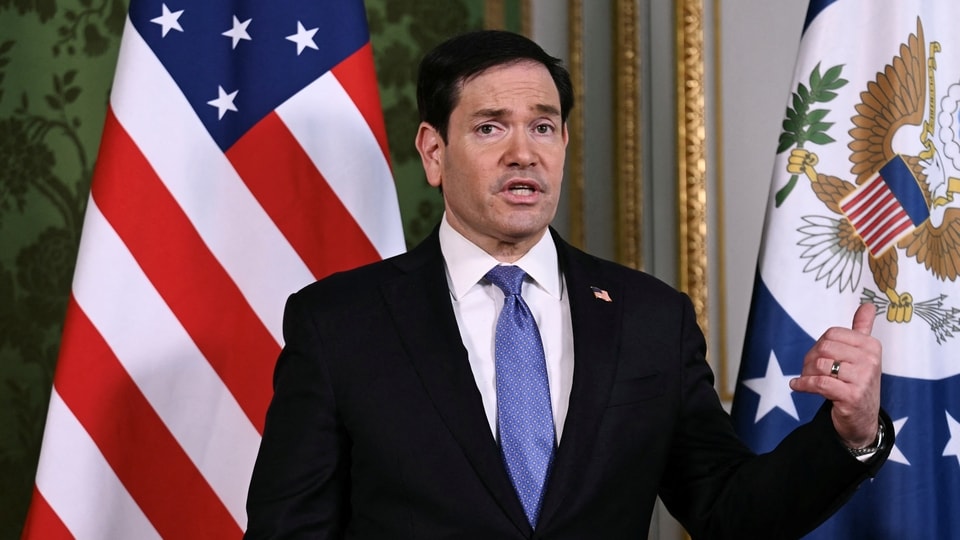
US Sanctions Causing Severe Economic Hardship in Iran, Rubio States
Iran's Security Chief Confirms No Ongoing Talks with the US
Israel Calls for Hamas Disarmament Before Gaza Reconstruction