US Sanctions Causing Severe Economic Hardship in Iran, Rubio States


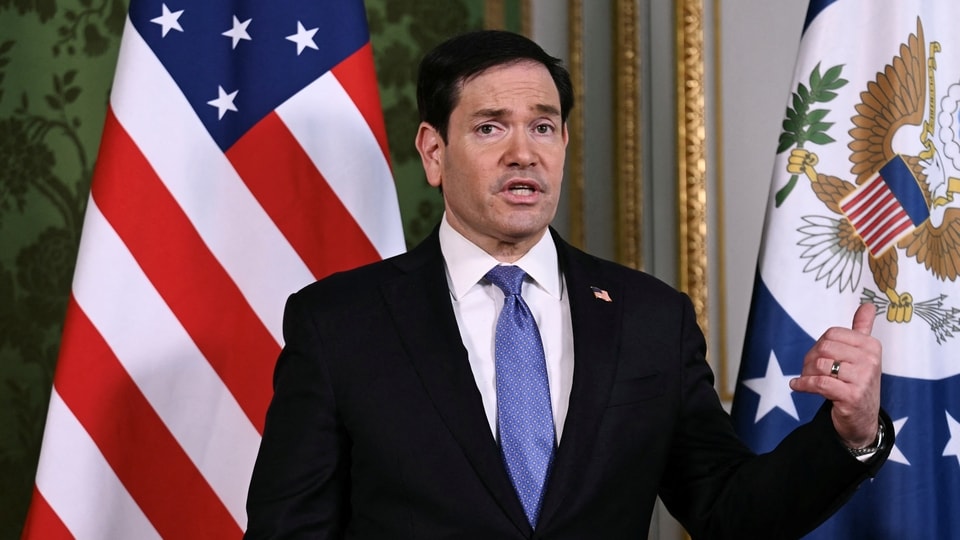
The United States Secretary of State, Marco Rubio, has indicated that Iran is enduring "extraordinary economic pain" as a consequence of sanctions imposed by the United States. Speaking after a meeting with G7 foreign ministers in Paris, Rubio asserted that there is currently no necessity for major military operations against Iran.
Rubio explained that the current economic strategy against Iran is sufficiently effective, stating, "The economic campaign against Iran is so devastating that right now there is no need for major combat operations." He also noted that US President Donald Trump has similarly concluded that military action is unnecessary at this juncture, insisting that the United States is achieving its objectives through economic means.
Rubio highlighted the growing economic distress in Iran, cautioning that such pain is likely to intensify. He claimed that the Iranian regime bears responsibility for the hardships faced by its citizens, remarking, "It's all brought about by the fact that this radical regime of lunatics is imposing this on their own people. They're destroying their own country."
The Secretary of State also directed a warning at Iran, indicating that should the nation breach any "red lines," the US military is prepared to respond. Tensions have risen significantly following US-Israeli strikes on Iranian targets earlier this year, which led Iran to retaliate with attacks on US interests and military bases across the Gulf region. Moreover, Iran has effectively obstructed navigation in the strategically vital Strait of Hormuz.
Despite an initial ceasefire agreement reached in June, the situation has deteriorated over ongoing disputes associated with Iran's nuclear programme and maritime navigation rights. Recently, Iran reiterated its demands to the United States regarding the reopening of the Strait of Hormuz amid suggestions of positive movements towards de-escalation.
According to reports from agencies including AFP, President Trump acknowledged a potential for progress towards ending the eight-month conflict after discussions with Qatari Prime Minister Sheikh Mohammed bin Abdulrahman bin Jassim Al Thani. The Prime Minister has also conveyed optimism regarding reaching a peaceful resolution in the region.
Iran's Foreign Minister, Abbas Araghchi, has emphasised that military escalations will not resolve the conflict, stating that true solutions would come from diplomatic engagement and respect for Iran’s outlined demands. These demands involve ceasing military actions, unfreezing Iranian assets, lifting oil sanctions, and ending US naval blockades of Iranian ports.
As the diplomatic discussions evolve, it remains to be seen how the international community will navigate the complex challenges posed by this ongoing situation, with both the US and Iran reassessing their positions amid shifting geopolitical dynamics.
CPCB Considers Increasing Monitoring of Air Quality Standards
Bangladesh Government Rejects Sheikh Hasina's Passport Request
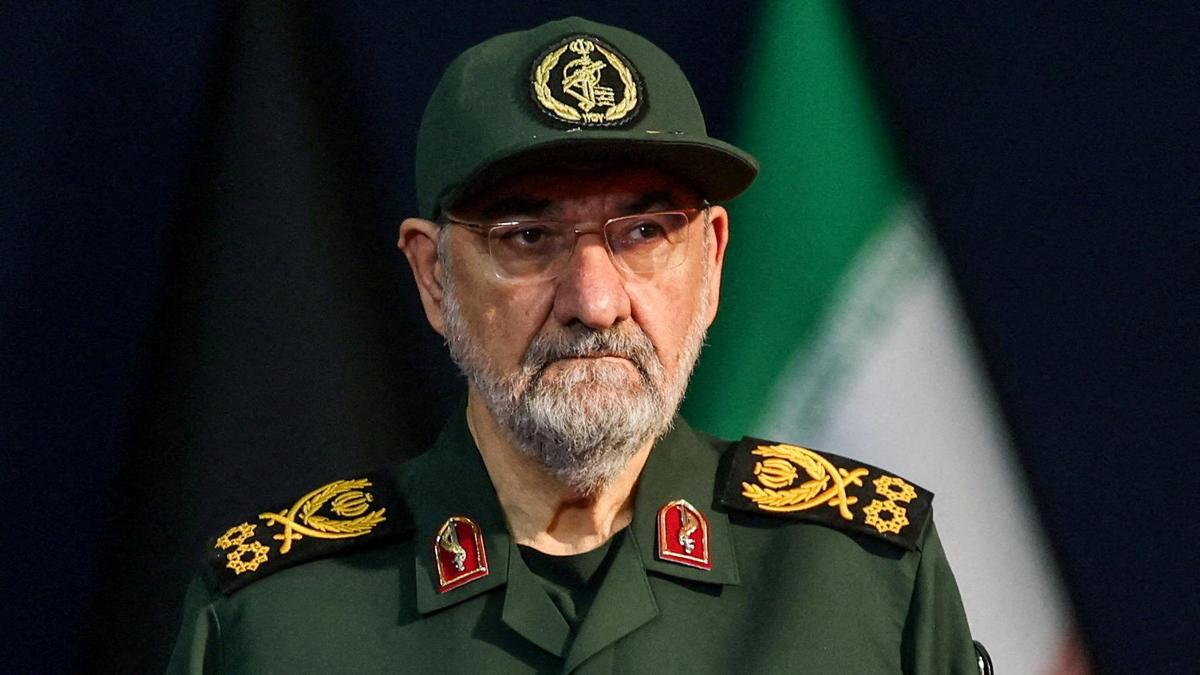
Iran's Security Chief Confirms No Ongoing Talks with the US
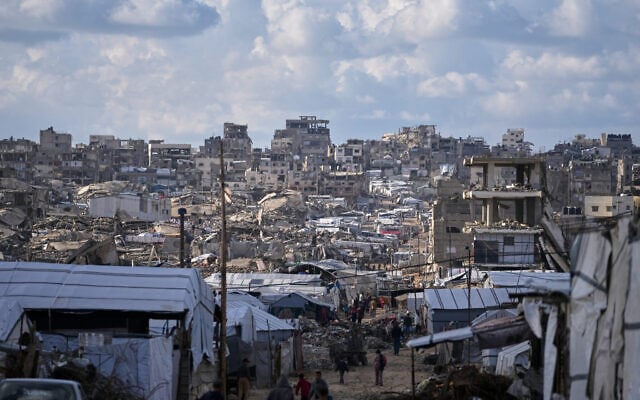
Israel Calls for Hamas Disarmament Before Gaza Reconstruction