WHO Urges Expanded Access to Obesity Treatments Amid Growing Crisis


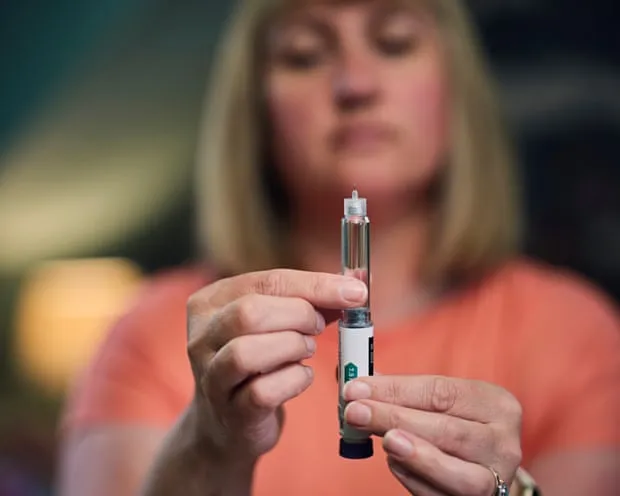
The World Health Organization (WHO) has issued a stark warning regarding the accessibility of obesity medications, stating that fewer than one in ten individuals who could benefit from treatments like Wegovy are currently able to access them. In its first guidance on glucagon-like peptide-1 (GLP-1) agonists, the WHO emphasised the urgent need for fairer and more widespread access to these medications, especially as the number of people living with obesity surpasses one billion worldwide.
The WHO's projections indicate that without significant intervention, the global population of obese individuals could exceed two billion by 2030. High costs, limited manufacturing capabilities, and supply-chain issues are cited as major obstacles preventing universal access to these weight-loss therapies.
In response to these challenges, the WHO has added GLP-1 medications to its essential medicines list, particularly for overweight patients with diabetes, and is advising countries to ensure their availability. WHO Director-General Tedros Adhanom Ghebreyesus stated, "Our new guidance recognises that obesity is a chronic disease that can be treated with comprehensive and lifelong care. While medication alone won't solve this global health crisis, GLP-1 therapies can help millions overcome obesity and reduce its associated harms."
The WHO's guidance marks a significant shift in the perception of obesity, moving away from viewing it merely as a lifestyle issue to recognising it as a complex and preventable chronic condition that requires medical intervention.
These medications function by mimicking a natural hormone that slows digestion, reduces appetite, and increases feelings of fullness, thus helping individuals consume fewer calories. However, the WHO stresses that these drugs should be part of a broader treatment plan that includes dietary advice and physical activity to maintain weight loss effectively.
Despite their potential benefits, the accessibility of GLP-1 therapies remains a concern. Current production levels are estimated to only meet the needs of about 100 million people, which is less than 10% of those who could benefit from these medications. The WHO has urged pharmaceutical companies to consider strategies such as voluntary licensing, allowing other manufacturers to produce affordable generic versions of these drugs as patents expire. The patent for semaglutide, the active ingredient in Novo Nordisk's Wegovy, is set to expire in several countries in 2026, potentially paving the way for cheaper alternatives.
Additionally, the WHO has called on governments to create healthier environments that promote good health and prevent obesity. In the UK, GLP-1 injections are available by prescription and can be obtained through the National Health Service (NHS), although many are sold privately. The rise of unregulated sellers in the black market poses further risks to consumers, who are advised against purchasing medications from such sources.
Research indicates that individuals typically begin to lose weight within weeks of starting the weekly injections. However, studies also suggest that many may regain the majority of the weight within a year after discontinuing the medication due to the return of normal appetite. Obesity is linked to numerous health issues, including type 2 diabetes, heart disease, stroke, and certain cancers, and was associated with approximately 3.7 million deaths worldwide in 2022, according to WHO statistics.
As the global health community grapples with the escalating obesity crisis, the WHO's recommendations underscore the importance of making effective treatments accessible to all, particularly in low and middle-income countries where the burden of obesity is often highest.

Kerala Initiates Probe into 2006 Suicide Case Involving CEC

Extradition of Sheikh Hasina Feasible, Says Indian High Commissioner

Punjabi Makeup Artist Mad Sandhu Shot Dead in Amritsar

India Achieves Fourth Place at Asian Games 2026 Through Late Success