Bangladesh Court Sentences Sheikh Hasina and Niece Tulip Siddiq for Corruption


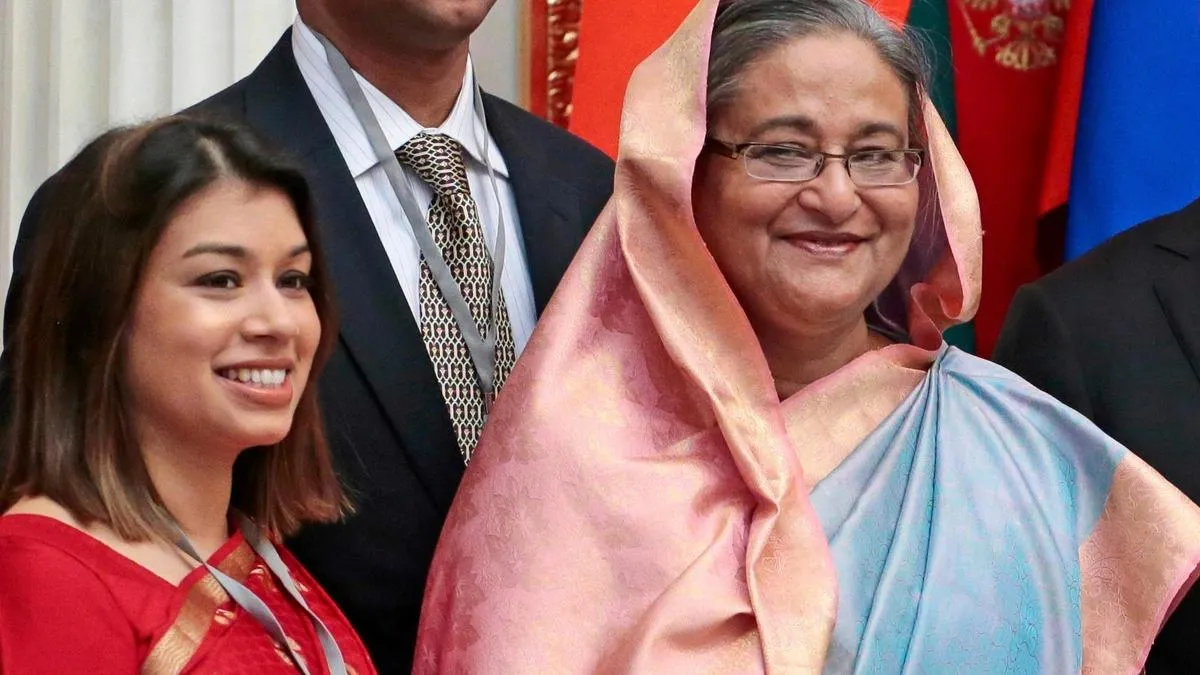
A court in Dhaka has convicted former Bangladeshi Prime Minister Sheikh Hasina to five years in prison and her niece, British Member of Parliament Tulip Siddiq, to two years. This ruling stems from a corruption case involving the illegal acquisition of land plots under the Purbachal project, as reported by the state-run Bangladesh Sangbad Sangstha (BSS) news agency.
Background of the Case
The Anti-Corruption Commission (ACC) initiated proceedings against Hasina and 28 others, alleging collusion in securing six plots of land in a diplomatic zone in Dhaka. The allegations stated that Hasina, alongside senior officials from the Rajuk (the capital's development authority), unlawfully acquired the plots for herself, her children, her sister Sheikh Rehana, and Tulip Siddiq, despite being ineligible according to existing laws.
Judge Rabiul Alam, presiding over the case, stated that the accused misused their positions for personal gain. Each of the 17 convicted individuals was fined 100,000 Taka (approximately £820), with an additional six-month jail term applicable if fines remain unpaid.
Sentencing and Political Repercussions
Tulip Siddiq, who represents Hampstead and Highgate in the UK Parliament, has previously denounced the trial as politically motivated, labelling it a “farce built on fabricated accusations.” In January, she resigned from her position as economic secretary to the Treasury, stating the ongoing scrutiny surrounding her family ties to Hasina had become a distraction from governmental responsibilities.
The latest verdict comes amid a series of legal challenges faced by Hasina, including a separate ruling earlier this month where she was sentenced to 21 years in prison across three corruption cases linked to the same project. Her children, Sajeeb Wazed Joy and Saima Wazed Putul, also received five-year sentences in related cases.
Following mass protests that led to the fall of Hasina’s Awami League regime in August 2024, she has been living in India, where she sought refuge. A Bangladeshi court had previously declared her a fugitive, and she was sentenced to death in absentia for her involvement in the crackdown on protests known as the “July Uprising.”
Government Response and Future Prospects
Bangladesh’s foreign affairs adviser, Mohammad Touhid Hossain, expressed hopes that the interim government, which is currently led by Nobel laureate Muhammad Yunus, would urge India to consider Hasina’s extradition following the completion of judicial proceedings against her. The interim government has announced that parliamentary elections are scheduled for February 2026.
Conclusion
As the legal proceedings unfold, the political landscape in Bangladesh continues to be marked by turmoil and allegations of corruption. The outcomes of these cases may significantly impact the future of the country and its political elite, as well as relations with international partners.
Tulip Siddiq has stated that she is a British citizen and does not hold Bangladeshi citizenship, a claim that may complicate any potential extradition processes, particularly as the UK does not maintain an extradition treaty with Bangladesh. The ACC has indicated that they will engage with the UK government regarding Siddiq’s sentencing.
In a statement to the press, Hasina rejected the court's decision, claiming that the ACC has failed to conduct a fair investigation. Her party, the Awami League, has condemned the ruling as predictable and politically motivated, echoing claims that the ACC is being used for political purposes.
Kerala Initiates Probe into 2006 Suicide Case Involving CEC

Extradition of Sheikh Hasina Feasible, Says Indian High Commissioner

Punjabi Makeup Artist Mad Sandhu Shot Dead in Amritsar

India Achieves Fourth Place at Asian Games 2026 Through Late Success