WHO Meeting Addressing Measles Outbreaks in South-East Asia


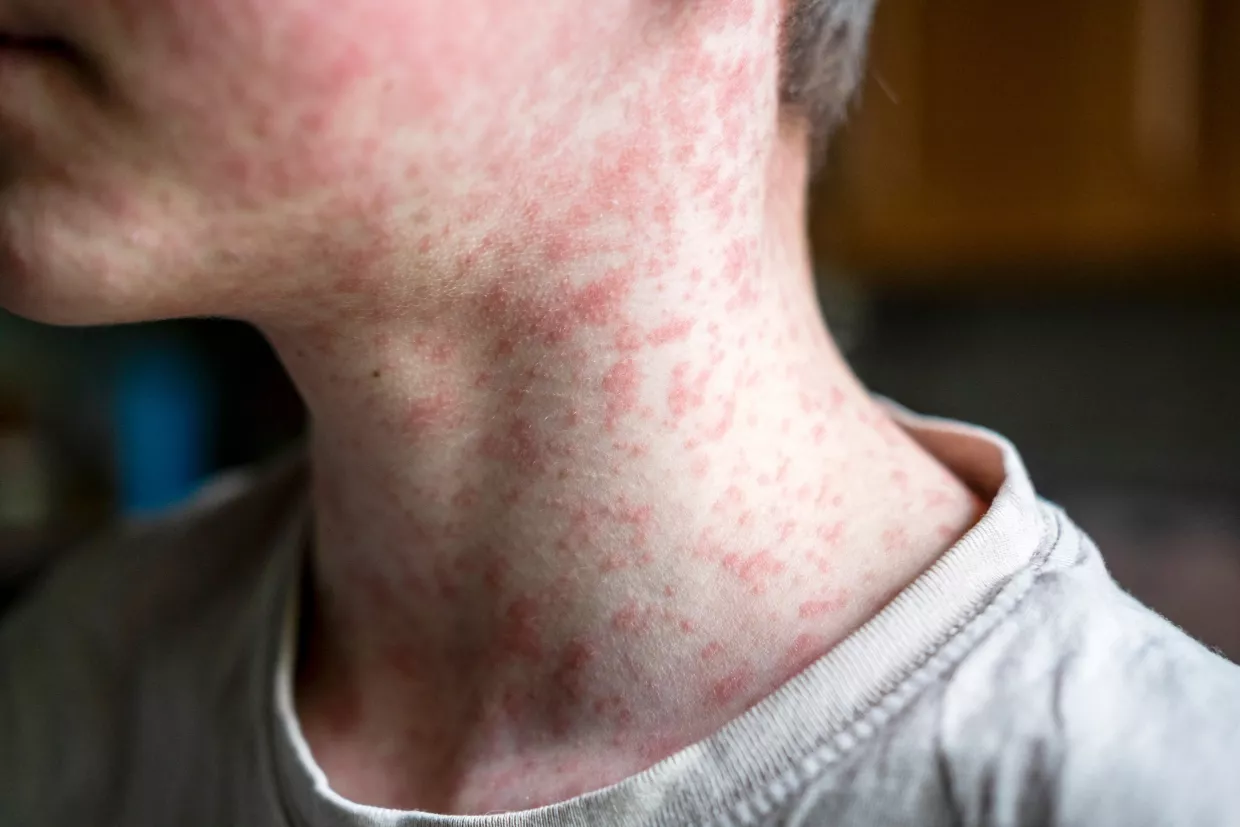
Immunization experts have convened to discuss strategies for tackling vaccine-preventable diseases across the WHO South-East Asia Region. Despite achieving the highest global childhood immunization coverage, the region continues to experience significant outbreaks of measles and other diseases, linked to persistent immunity gaps within children and adolescents.
Dr Nilesh Buddha, Officer-in-Charge for the WHO South-East Asia Region, emphasised the need for vigilance. "Progress must not become complacency. Sustaining high immunization coverage requires strong monitoring, timely use of local data and rigorous programme review. We need to close the immunity gaps, strengthen surveillance and ensure that every child and every community is reached with life-saving vaccines," he stated during his address at the 17th meeting of the WHO South-East Asia Regional Immunization Technical Advisory Group (SEAR ITAG).
The Chair of SEAR ITAG, Professor Rakesh Aggarwal, pointed out the importance of focusing not only on overall vaccination rates but also on subnational and hard-to-reach communities. "Local data and epidemiology should guide focused immunization efforts, enabling better use of resources and helping to reach the most vulnerable populations," he advised.
In 2025, the WHO South-East Asia Region achieved impressive coverage, reporting that 94% of children received the third dose of the routine vaccine against diphtheria, tetanus, and pertussis (DTP3). Furthermore, the number of children who had received no vaccinations at all saw a significant drop of 65% since 2021. The count of unvaccinated children fell from an estimated 4.5 million in 2019 to 2 million by 2025.
Despite these advancements, vaccination coverage remains inconsistent across and within countries, creating populations vulnerable to outbreaks of diseases that can be prevented through vaccination. Measles, in particular, is a pressing concern, as immunity gaps among older children and adolescents are driving current transmission and the occurrence of outbreaks. The region has recorded a setback in its path towards measles elimination, with only four out of ten Member States succeeding in eliminating the disease, in contrast to seven that have achieved rubella elimination.
SEAR ITAG is engaging in a thorough review of its strategies regarding the three key objectives outlined in the Regional Vaccine Implementation Plan (RVIP) 2022-2026. These objectives include ensuring equitable access to vaccines, pursuing the control and elimination of vaccine-preventable diseases, and reducing associated mortality and morbidity throughout the life course.
Additionally, the discussion will address vaccination across different age demographics, specifically focusing on childhood and adolescent immunisation. Attention is particularly needed for vaccinations against human papillomavirus (HPV), which has been linked to cervical and other types of cancers. HPV vaccination coverage stood at a mere 7% in 2025, with aspirations to increase that figure to 48% by 2026.
Experts will also assess the introduction and prioritisation of new vaccines and those under-utilised, including vaccines for typhoid, pneumococcus, and rotavirus. Further topics include sustainable immunisation financing, building workforce and laboratory capacities, combating vaccine misinformation, and addressing the impacts of climate change, urban migration, and humanitarian crises on immunisation programmes.
The expert group will offer guidance on priorities for the next Regional Vaccine Implementation Plan, which will extend beyond 2026. Key areas of focus will include accelerating the elimination of measles and rubella, mitigating future outbreaks, enhancing domestic financing, forging partnerships, and sustaining effective surveillance for vaccine-preventable diseases.
The three-day SEAR ITAG meeting, which commenced yesterday, has drawn participation from 120 experts, representatives from member states, chairpersons of national immunisation technical advisory groups (ITAGs), partner organisations, and key stakeholders in public health.

United States Invites Vladimir Putin to Miami G20 Summit

Prime Minister Modi Engages Youth in Seva Sankalp Yatra Initiative
Indian CDS Subramani Advocates Stronger Military Networks
Congress Criticises BJP Over Goa CEO's Communication with ECI