White House Proposes Ending 60-Day Grace Period for H-1B Visa Holders


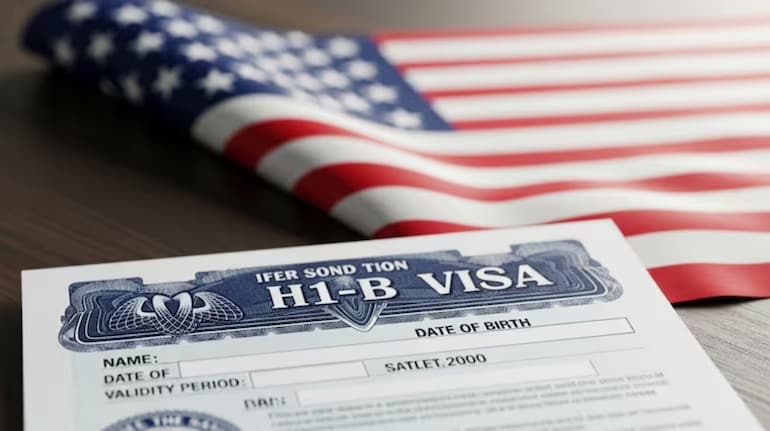
The White House has concluded its review of a proposal to eliminate the 60-day grace period currently afforded to foreign workers on H-1B visas, allowing them to seek new jobs after employment termination. This initiative was presented by the Department of Homeland Security earlier this month and is now under assessment by the Office of Management and Budget. Exact details regarding the proposal remain undisclosed.
If implemented, the removal of this grace period would impact not just H-1B visa holders but also their dependents, who are allowed to stay in the United States while looking for new employment following a layoff. This transition period was introduced in 2017 to provide vital breathing space for individuals facing sudden job loss.
Following the conclusion of the review, the next step for the proposal includes publication in the Federal Register, alongside a public comment period that traditionally spans 30 to 60 days. The particulars of the regulatory changes will be made available upon publication.
Immigration experts highlight that while the Department of Homeland Security has the power to revoke or shorten the grace period, such measures have been relatively rare. This regulation applies to various nonimmigrant visa categories including E-1, E-2, E-3, H-1B, H-1B1, L-1, O-1, and TN classifications.
The grace period has been significant in helping U.S. employers manage staffing during transitions for nonimmigrant workers both in terms of retention and recruitment.
The Indian-American community, comprising about 5.2 million individuals in the United States, stands to be notably affected by this potential policy change, as Indian nationals represent approximately 71% of H-1B visa recipients for the fiscal year 2024.
Ajay Jain Bhutoria, a former White House advisor, expressed strong objections to the proposed regulation, suggesting that the period should actually be extended to 180 days. He stated, "Eliminating the 60-day grace period is both inhumane and unworkable. When a high-skilled worker faces a sudden termination, 60 days is already dangerously short. Stripping away this protection entirely leaves thousands of law-abiding individuals with zero time to wrap up their lives."
Bhutoria warned that many families could face sudden displacement and upheaval due to job loss, despite their contributions and legal status in the country. He remarked, "People will not even have the time required to manage their leases, transition their children out of schools, or handle personal affairs."
As discussions on immigration continue to evolve, the decision regarding this regressive policy could have far-reaching implications for both individual visa holders and the broader tech industry reliant on skilled foreign labour.

Kerala Initiates Probe into 2006 Suicide Case Involving CEC

Extradition of Sheikh Hasina Feasible, Says Indian High Commissioner

Punjabi Makeup Artist Mad Sandhu Shot Dead in Amritsar

India Achieves Fourth Place at Asian Games 2026 Through Late Success