Wealth Disparity: India's Richest 10% vs Global Poor


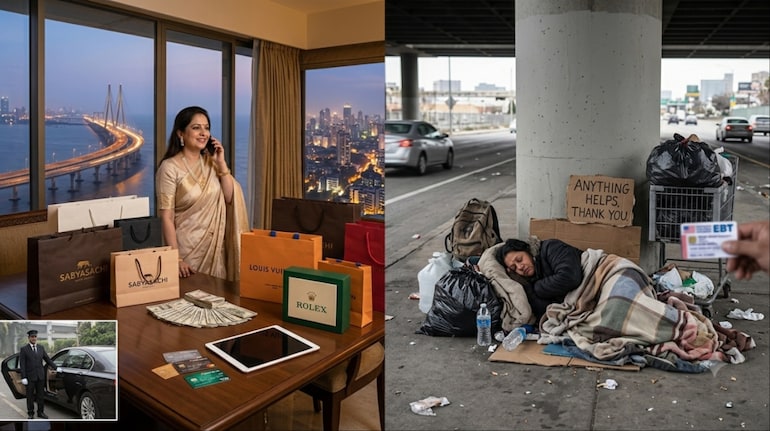
Recent findings from the World Bank's 2026 Poverty and Inequality Platform illustrate significant economic disparities, particularly when comparing the wealth of India's richest 10% with the poorest decile in several affluent countries. According to the data, individuals in India’s wealthiest bracket can get by on approximately $10 a day, a stark contrast to the $25 to $31 that those in the lowest earning groups in wealthy nations, such as the United States, Canada, Germany, and Australia, typically earn daily.
In terms of the lowest earners, the poorest 10% in India live on around $3 per day, which highlights the drastic differences in living standards. While the highest earners in India gain about Rs 80,000 monthly, their spending power still lags behind that of the wealthiest in developed countries, where the same amount allows one to live well below the poverty threshold.
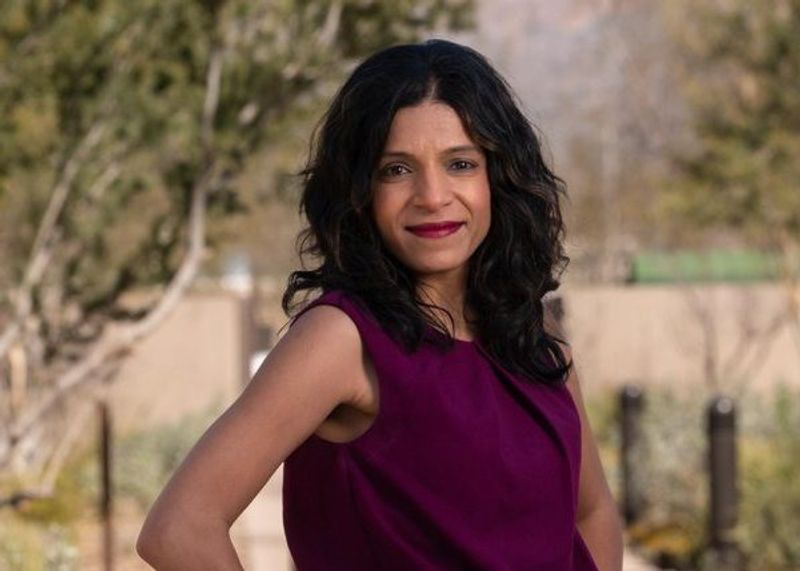
Ahona Duttagupta, a programme associate at an economic policy foundation, remarked on the implications of these findings. "The figures reveal a more extensive issue surrounding income levels across the Indian economy, highlighting the deep-rooted concerns regarding not just poverty but the overall wealth distribution. Raising the standard of living for those at the bottom is critical if India intends to see broader economic prosperity. If the lower-income demographic in India were to achieve the levels of income seen in wealthier nations, they would still remain economically disadvantaged."
Duttagupta emphasised the need for driving higher productivity across all sectors of the economy. This would enable organisations and individuals to increase output with the same resources, which is essential for higher salaries and better job prospects. She highlighted the necessity of fostering an environment where innovation can thrive. "Entrepreneurs must have the freedom to experiment with new ideas, learn from failures, and develop successful concepts. This includes simplifying regulations and reducing compliance burdens, which is vital for fostering a vibrant business landscape."
Current reforms in India do reflect a willingness to make business operations smoother, but Duttagupta called for more robust measures to ensure that regulations are periodically evaluated and that contract enforcement is expedited. She believes that developing industrial clusters within India could enhance competitiveness against international firms.
Despite a notable decrease in extreme poverty levels over the last decade—from 27.1% in 2011–12 to an estimated 2.6% for 2023–24—major concerns remain. The World Bank points out that, while there has been a reduction in poverty, the wealth distribution continues to be uneven. Official data from the World Inequality Report indicates that the top 10% control approximately 58% of the nation’s income and possess 65% of its wealth, while the bottom half only receives 15% of total income.
On the economic front, India's real GDP experienced a growth of 7.8% in the first quarter of FY2026–27. However, for India to develop into a high-income economy by 2047, sustained average growth of around 7.8% annually is deemed necessary to triple the per capita gross national income to nearly $20,000.
It is critical to note that the poverty data is derived from household consumption surveys, contrasting with many affluent nations where the figures commonly reflect income levels. Since household consumption often lags behind income levels, direct comparisons may not provide an entirely accurate picture of economic stability or disparity across different regions.
Two Activists Arrested for Trespass at Jantar Mantar, India

Karan Johar Interviews Salman Khan on Koffee With Karan Premier
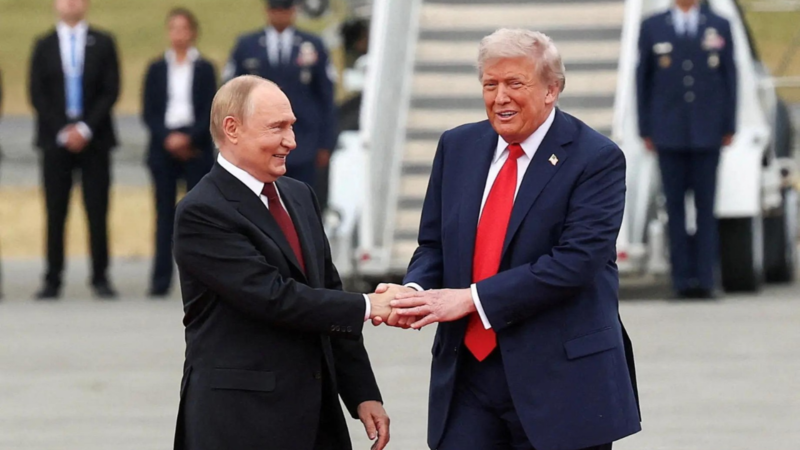
Trump's Diesel Agreement Raises Tensions with Europe Over Ukraine
India's Selection for New Zealand Tour Delayed by Player Injuries