Visegrad Group Supports India's Bid for UN Security Council Seat


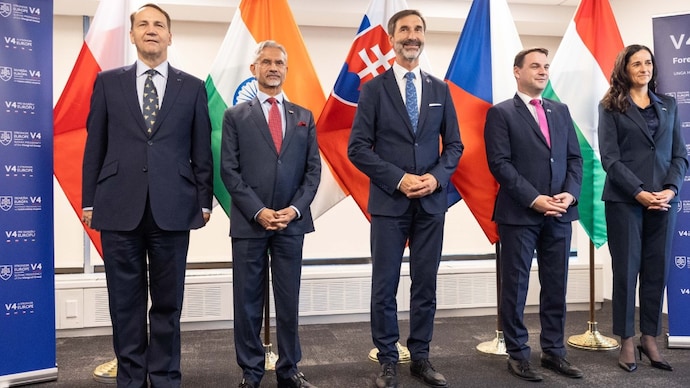
India's aspirations for permanent membership in the United Nations Security Council (UNSC) have received support from four Central European nations. During a meeting on the sidelines of the 81st United Nations General Assembly in New York, Hungary, Poland, Slovakia, and the Czech Republic—collectively known as the Visegrad Group—expressed their backing. Slovak Foreign Minister Juraj Blanar stated, "We all agree as V4 countries that India, as a part of the Global South and an upcoming superpower in the Indo-Pacific region, must be at the table as a permanent member of the UN Security Council."
This endorsement adds significant diplomatic weight to India's long-standing call for reform of the UNSC, established in 1945. At that time, many nations across Asia and Africa were still under colonial rule, and current members of the global community were either not yet independent or did not exist as sovereign states.
India's record of service on the Security Council includes eight terms, with its most recent term occurring in 2021 and 2022. Its case for permanent membership is bolstered by several factors: its sizeable population, economic influence, contributions to UN peacekeeping, and an expanding diplomatic footprint. India's influence in discussions relating to counterterrorism, development, maritime security, and international peace underscores its suitability for a permanent position.
During the 81st UN General Assembly, India highlighted the urgent need for reform, arguing that existing structures no longer reflect the current global landscape. The country's priorities paper asserts that the UN's ineffectiveness in addressing conflicts raises concerns about its credibility and legitimacy. For India, reforms are not merely about its inclusion; they are also focused on revamping the power dynamics of the UNSC to better mirror today’s geopolitical realities.
Support for India's bid extends beyond the V4. Permanent members of the UNSC, including France and the United Kingdom, have voiced their endorsement. The United States supports India’s claim in principle, while Russia has also shown backing. Furthermore, India is part of the G4 coalition with Brazil, Germany, and Japan, who mutually support each other's bids for permanent membership. This group has proposed increasing the UNSC from 15 members to 25 or 26, aiming to establish new permanent seats across various regions, including Africa and the Asia-Pacific.
However, significant obstacles remain. Structural reforms would necessitate amendments to the UN Charter, requiring consensus among member states. Notably, China is the only permanent UNSC member that has not explicitly supported India’s bid, citing a need for broader consensus while maintaining diplomatic ambiguity.
Minister Jaishankar described the V4 meeting as a pivotal moment and acknowledged the importance of building a wider institutional relationship, which includes establishing an annual business forum and holding regular foreign ministers' meetings. Discussions also touched on areas such as technology, defence, and international crises including the situation in Ukraine.
While the V4's endorsement strengthens India’s position, the path towards reform is complex and requires the alignment of various countries and the current permanent members. Nevertheless, this collective backing adds a crucial layer of support to India's quest for a permanent seat at the Security Council.
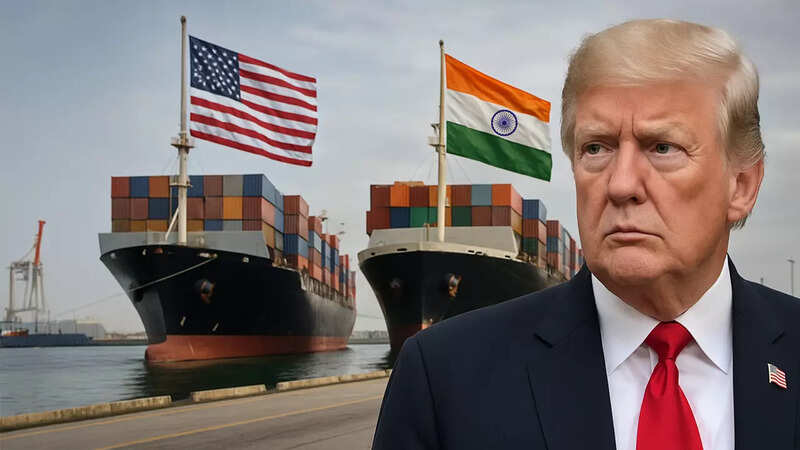
Impact of Trump's Tariff Law on India's Oil Imports and Trade
Google to Report Child Abuse Material Directly to India

Bihar Minister's Remarks on Jamui Harassment Case Stir Controversy
Tragic Air Accident Claims Lives of Two Indian Students in Canada