Vedanta Ltd Receives Approval for Major Corporate Restructuring


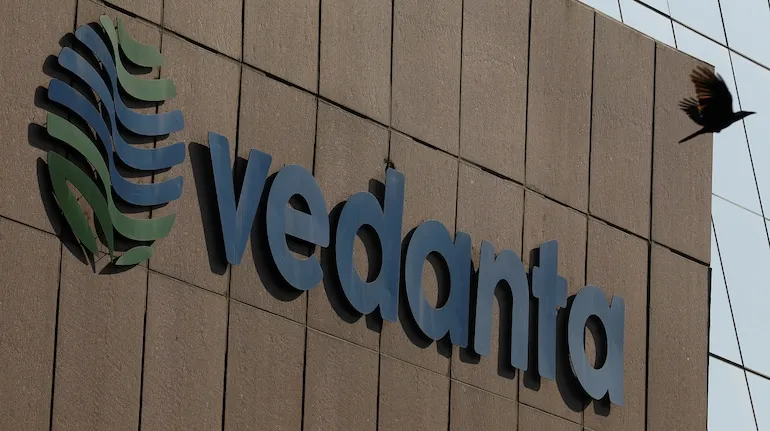
Vedanta Ltd, a diversified conglomerate with interests ranging from oil to metals, has received a pivotal legal endorsement from the Mumbai bench of the National Company Law Tribunal (NCLT). This approval facilitates the company's long-planned division into five distinct business units, as confirmed in a statement released to stock exchanges on Tuesday.
The decision represents a significant milestone in Vedanta's restructuring initiative, which has been in the works for over two years. The company's goal is to streamline its corporate structure and enhance the strategic focus of each of its business segments. Under the newly approved scheme, the existing Vedanta Ltd will be reorganised into independent entities, each representing key operational segments.
The five separate entities will encompass aluminium, oil and gas, power, steel and iron, while the remaining Vedanta entity will primarily focus on the base metals portfolio. Each new unit is expected to operate autonomously, with its own management team, balance sheet, and strategic objectives. Plans for future stock market listings for these demerged companies are also anticipated.
This tribunal approval follows earlier endorsements from shareholders and creditors, who voted in favour of the proposal with a considerable majority. However, the restructuring process faced scrutiny from regulatory bodies, particularly concerning the safeguarding of financial obligations and liabilities post-demerger. The NCLT's ruling suggests that it was satisfied with Vedanta's responses to these concerns, enabling the firm to advance to the final stages of implementation.
In reaction to the tribunal's decision, shares of Vedanta experienced a notable increase, as investors expressed optimism regarding the long-awaited restructuring. Analysts have long pointed out that the conglomerate's varied business activities, which span natural resources, energy, and manufacturing, have been undervalued due to their complexity and interdependencies. The anticipated simplification of the corporate structure is expected to unlock previously obscured value.
From a strategic standpoint, the demerger aims to empower each business unit to pursue tailored growth and funding strategies that align with their specific sectors. Sectors such as aluminium and oil and gas, which require significant capital investment, may attract specialised investors, while more mature segments could enjoy enhanced flexibility in managing dividends and reducing debt.
The separation is also expected to foster greater transparency, governance, and accountability by distinctly delineating assets, liabilities, and cash flows among the newly formed entities. Nevertheless, the approval does not entirely mitigate execution risks, as the process of disentangling shared services, intercompany loans, guarantees, and regulatory licenses remains complex and challenging.
Each independent entity will need to establish its financial infrastructure and adhere to regulatory requirements specific to its industry. Additionally, ongoing scrutiny from lenders and government authorities is likely, particularly regarding sectors involving public resources, mining rights, or energy supply obligations.
The allocation of debt among the demerged entities will play a crucial role in shaping investor confidence moving forward. Vedanta's overall debt levels have been a persistent concern for the market, and how liabilities are apportioned among the new companies will significantly impact their credit ratings and ability to secure financing. Any perception of uneven debt distribution or unresolved contingent liabilities could dampen enthusiasm for the restructuring, despite the clarity offered by the split.
Looking ahead, Vedanta is expected to finalise the remaining procedural steps, which include necessary regulatory filings and the operational separation of its business units, in the coming months. If these timelines are adhered to, the reorganisation could potentially conclude by the end of the current financial year. For Vedanta, the NCLT's approval is a crucial step in redefining the group's structure, with the ultimate success of this initiative hinging on effective execution and the capacity for each standalone entity to achieve sustainable performance on its own merits.
Impact of Trump's Tariff Law on India's Oil Imports and Trade
United Russia Party Secures Supermajority Despite Ukraine Conflict
Xi Jinping's US Visit Planned Amid Economic Tensions with Trump
India's External Affairs Minister to Address UNGA Amid US Tariff Changes