Modi Ethiopia Visit Highlights Growing India–Africa Partnership


Prime Minister Narendra Modi landed in Addis Ababa on Tuesday at the invitation of Ethiopian Prime Minister Abiy Ahmed Ali, marking his first official visit to the Federal Democratic Republic of Ethiopia. The visit follows the conclusion of Mr Modi’s engagements in Jordan and forms part of a broader diplomatic tour across West Asia and Africa.
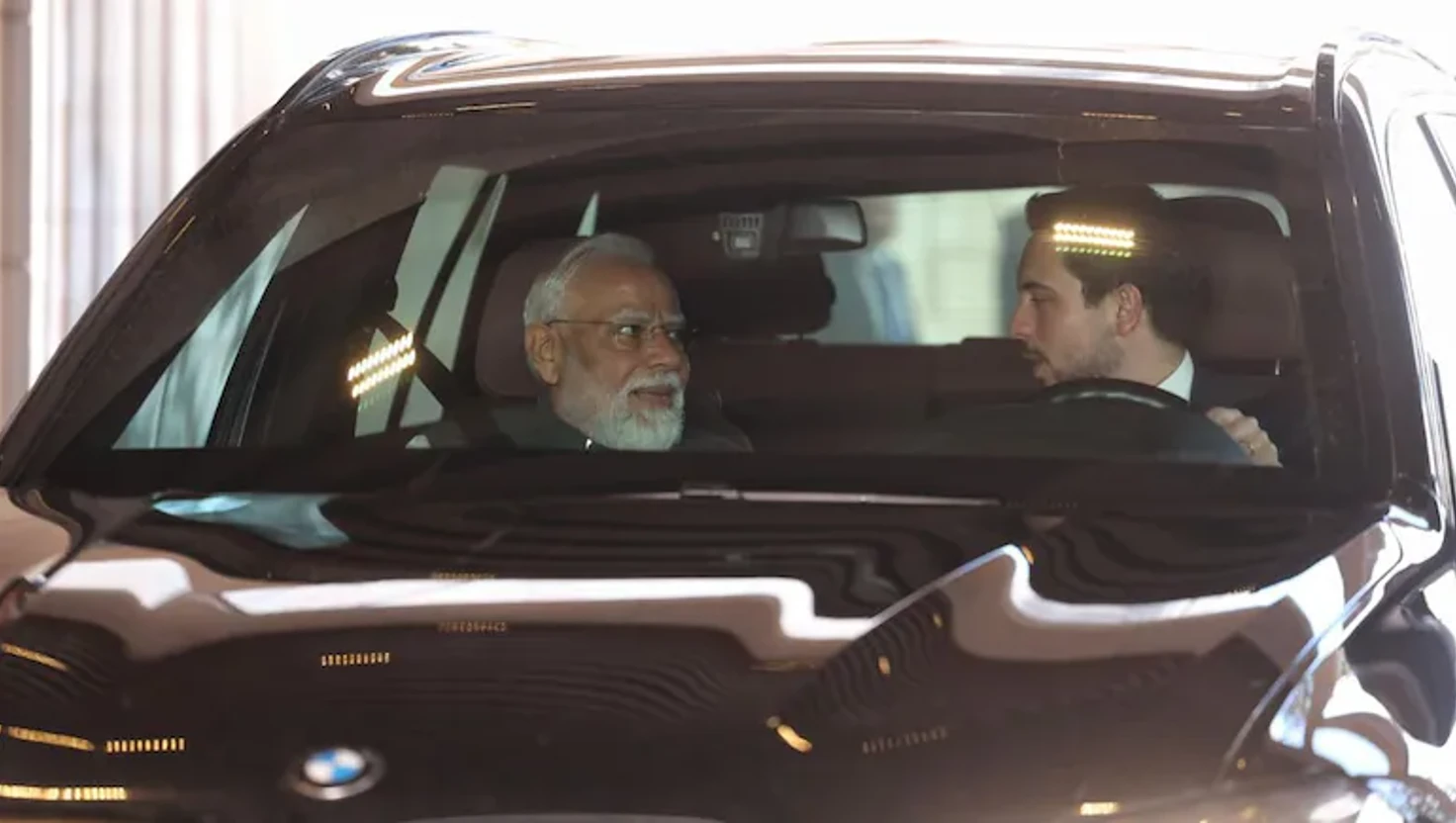
In a gesture highlighting the close diplomatic rapport between the two leaders, Prime Minister Abiy Ahmed Ali personally received Mr Modi at the airport and drove him to his hotel. According to officials familiar with the visit, the Ethiopian leader also took Mr Modi on an unscheduled tour of Addis Ababa’s Science Museum and Friendship Park, underscoring the importance Ethiopia attaches to the visit.
Writing on the social media platform X, Prime Minister Modi described the welcome as a sign of the “warmth” in bilateral relations. He said Ethiopia was a country with a “great history and vibrant culture” and noted that India and Ethiopia share long-standing civilisational links. He added that he looked forward to engaging with Ethiopian leaders to deepen cooperation in multiple sectors.
During the visit, scheduled from December 16 to 17, Mr Modi is expected to hold detailed discussions with Prime Minister Abiy Ahmed Ali covering political ties, trade, development cooperation, defence engagement and people-to-people links. According to India’s Ministry of External Affairs, the talks will focus on expanding bilateral cooperation and reaffirming the shared commitment of both countries as partners in the Global South.
Addis Ababa holds particular diplomatic significance, as it is not only Ethiopia’s capital but also the headquarters of the African Union, a continental body representing 55 African states. Prime Minister Modi has highlighted this aspect of the visit, recalling that the African Union was admitted as a permanent member of the Group of Twenty major economies during India’s presidency of the forum in 2023.
In addition to bilateral meetings, Mr Modi is expected to address a joint session of the Ethiopian Parliament and interact with members of the Indian diaspora living in the country. In earlier remarks, he said he intended to share India’s democratic experience and discuss how closer cooperation between India and Ethiopia could benefit developing nations.
The Ethiopia visit comes immediately after Mr Modi’s two-day trip to Jordan, where he marked 75 years of diplomatic relations between India and the Middle Eastern kingdom. During that visit, Jordan’s Crown Prince Al-Hussein bin Abdullah II personally accompanied Mr Modi to cultural engagements, including a visit to the Jordan Museum, and later saw him off at the conclusion of the trip.
Prime Minister Modi described his Jordan visit as “immensely productive”, saying it helped strengthen bilateral ties across key sectors. Indian officials said discussions in Amman focused on trade, security cooperation, technology and cultural exchanges.
Following his engagements in Ethiopia, Mr Modi is scheduled to travel to Oman from December 17 to 18 at the invitation of Sultan Haitham bin Tarik. According to the Ministry of External Affairs, India and Oman share a comprehensive strategic partnership rooted in long-standing historical, trade and cultural links.
Context India has been seeking to expand its diplomatic and economic footprint in Africa, positioning itself as a development partner and advocate for the interests of the Global South. Ethiopia, one of Africa’s most populous countries and a key diplomatic hub due to the presence of the African Union, plays an important role in that strategy.
The visit also reflects New Delhi’s broader effort to strengthen ties with partners across West Asia and Africa through high-level political engagement, development assistance and increased trade. Analysts say the emphasis on personal diplomacy during the trip, including the highly visible gestures by regional leaders, signals a push to project India as a reliable and long-term partner in a rapidly changing global order.
Concerns Rise Over Delhi Voter Registration Discrepancies
Controversy Erupts Over Rahul Gandhi's PM Modi Mimicry at Event

Father of IIT Bombay Student Calls for Action Against Discrimination

India and Japan Conduct Joint Air Exercise 'Veer Guardian-2026'