US Withdrawal from 66 Global Organisations Under Trump Administration


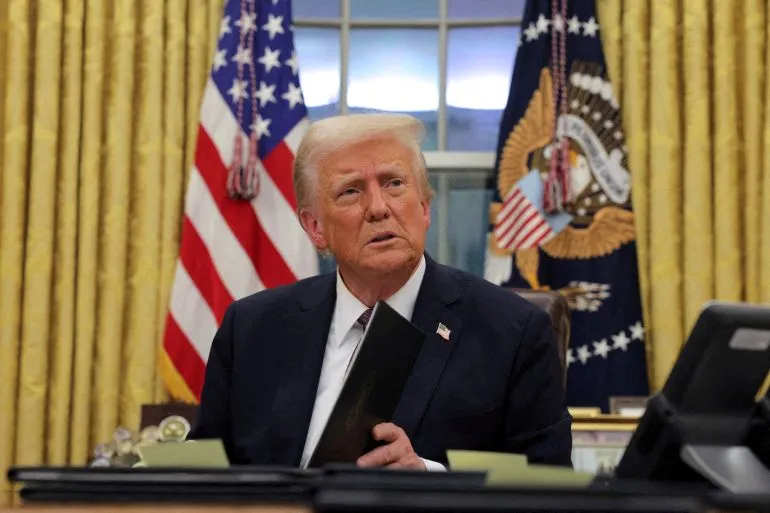
The United States is preparing to withdraw from 66 international organisations, a move that could significantly influence global discussions on climate change, peace, and democracy. This announcement, made by the Trump administration, has raised concerns amongst various stakeholders regarding the future of these organisations. The withdrawal will disrupt the US's involvement in key dialogue platforms aimed at addressing global challenges.
Among the most notable organisations affected are those with a focus on climate initiatives, which have been instrumental in shaping international responses to environmental issues. Experts suggest that the US's absence may undermine collective efforts towards achieving sustainability goals and addressing climate change's pressing challenges.
Indian Prime Minister Narendra Modi expressed his commitment to continuing the mission of the International Solar Alliance (ISA), a coalition aimed at promoting solar energy. Following the US exit, the ISA will maintain its focus on fostering international cooperation with its remaining 125 member countries.
"While the US's departure is significant, we remain dedicated to collaboration and innovation in renewable energy," said Prime Minister Modi. The ISA's goal is to unlock solar energy's potential, particularly in developing nations, helping reduce global dependence on fossil fuels.
The ramifications of the US legacy on these global platforms could extend beyond climate issues, impacting peacekeeping missions and democratic initiatives that have long been a focus of bilateral and multilateral relationships. The withdrawal may also lead to a shift in how other nations approach their commitments to global cooperation, particularly in relation to international norms and collective security.
Following this announcement, various international leaders are expected to gather for upcoming summits to address the implications of the US's absence and discuss alternative strategies to enhance global cooperation in critical areas. Experts emphasise the need for a united global front to address the myriad challenges that necessitate collective action. As organisations adjust to this new reality, the landscape of international collaboration is poised for evolution, with the world watching closely to see how it unfolds.
This decision reflects broader trends in the current global political climate, where nationalism and isolationism appear to be gaining traction, potentially at the expense of longstanding international partnerships. The full impact of these withdrawals remains to be seen, but stakeholders are already advocating for strategies to maintain collaborative efforts irrespective of the changing dynamics.
Kerala Initiates Probe into 2006 Suicide Case Involving CEC
Extradition of Sheikh Hasina Feasible, Says Indian High Commissioner

Punjabi Makeup Artist Mad Sandhu Shot Dead in Amritsar

India Achieves Fourth Place at Asian Games 2026 Through Late Success