US Tightens H-1B Visa Vetting with New Social Media Rules


The United States government has announced enhanced scrutiny measures for H-1B visa applicants, which allow American employers to hire foreign workers in specialised fields. This decision follows a notable increase in application fees for these visas, which reportedly reached $100,000 in September 2025. The H-1B visa programme is particularly significant for the tech sector, drawing a large number of applicants from countries such as India and China, where many technology firms actively recruit skilled professionals.
New Vetting Procedures
An internal memorandum from the US State Department, issued on December 2, outlines stringent new standards for the evaluation of H-1B visa candidates. According to a report by Reuters, the memo states that applicants involved in any form of "censorship" related to free speech should be considered ineligible for the visa. This directive requires consular officers to examine the resumes and LinkedIn profiles of H-1B applicants, as well as their family members travelling with them, to identify any associations with activities such as misinformation, disinformation, or content moderation.
The memo indicates, "If you uncover evidence an applicant was responsible for, or complicit in, censorship or attempted censorship of protected expression in the United States, you should pursue a finding that the applicant is ineligible," as per the Immigration and Nationality Act. The State Department has not publicly commented on this memo as of yet.
Focus on Technology Sector
While all visa candidates will be subject to these new regulations, the memo specifically highlights the need for an intensified review of H-1B applicants, many of whom are employed within technology-related sectors, including social media and financial services. The guidance emphasises the necessity to conduct thorough investigations into applicants' employment histories to ensure no involvement in activities that could obstruct free speech.
Broader Implications for Visa Applicants
Starting December 15, 2025, all H-1B and their accompanying H-4 visa applicants will be required to have their social media accounts set to public. This represents a significant expansion of the visa vetting process, which previously included similar requirements for students and exchange visitors. Mitch Wexler, a senior counsel at the immigration law firm Fragomen, noted that this marks the first major extension of an existing policy concerning online presence reviews.
The State Department has reiterated that the issuance of a US visa is not an entitlement but a privilege, asserting that every visa decision is fundamentally linked to national security. Consular officers will be tasked with assessing an applicant’s social media profiles, public posts, and other online engagements to evaluate their suitability for a visa.
Concerns Over Increased Scrutiny
Legal experts have expressed concerns regarding the potential for increased scrutiny and delays in the visa application process. Wexler highlighted that applicants might face prolonged background checks, leading to longer waits for visa approvals, which could particularly impact Indian IT professionals who make up a substantial portion of H-1B visa recipients. According to data from the US Citizenship and Immigration Services, Indians accounted for approximately 80,500 new H-1B visas in the fiscal year 2024, significantly more than the next highest nationality, China, which received 19,600.
This tightening of visa policies occurs amid a broader discussion in the United States concerning online free speech. The Trump administration has previously positioned itself against what it perceives as the silencing of conservative voices online and has threatened visa bans for individuals involved in censoring speech.
Reactions to the Policy Changes
Critics of the new policy have raised alarms, suggesting that it contradicts the United States' foundational commitment to free speech. Rajiv S. Khanna, managing attorney at Immigration.com, expressed disappointment at the apparent hypocrisy of a nation that champions free expression while imposing such restrictive measures. Cyrus D. Mehta, another immigration attorney, remarked on the inconsistency of the administration's stance toward free speech, indicating that the policy could lead to discrimination against individuals based on their political views.
As the US continues to refine its approach to immigration and visa vetting, the implications of these new rules will likely resonate across various sectors, particularly in the technology industry, which relies heavily on foreign talent.
Kerala Initiates Probe into 2006 Suicide Case Involving CEC

Extradition of Sheikh Hasina Feasible, Says Indian High Commissioner
Punjabi Makeup Artist Mad Sandhu Shot Dead in Amritsar
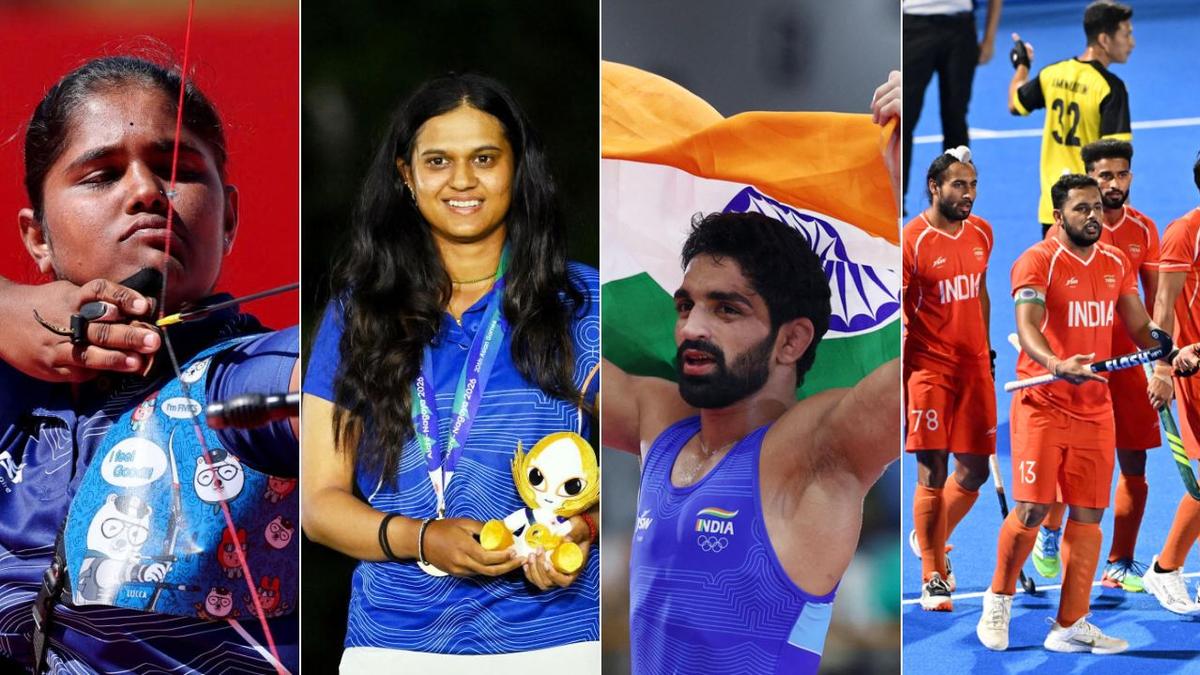
India Achieves Fourth Place at Asian Games 2026 Through Late Success