US Strategises Economic Pressure on Iran Amid Ongoing Conflicts


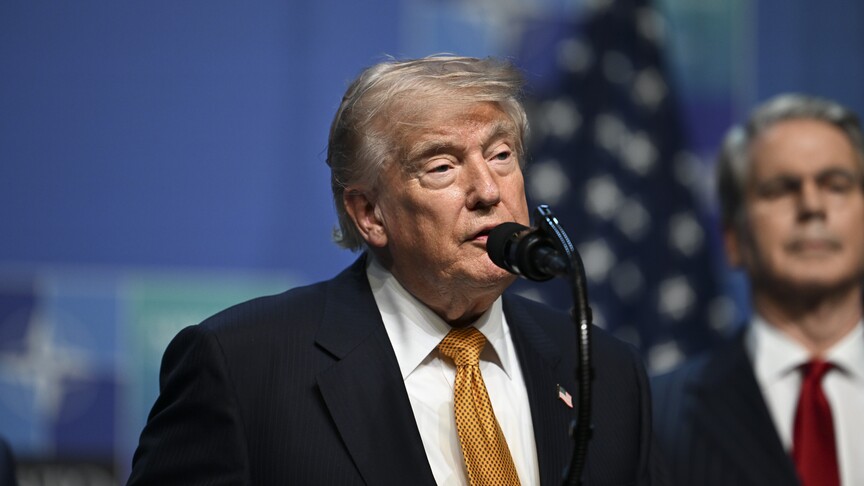
United States President Donald Trump has announced a strategic shift in Washington's approach to Iran, opting for economic sanctions rather than military action to encourage negotiations. In an interview with Axios on Sunday, Trump indicated that the US is pursuing a more cautious route following a protracted period of conflict. He stated, "We are low-keying it," while emphasising that discussions with Tehran are ongoing but at a subdued level, describing the engagement as "only semi-negotiating."
During the interview, Trump highlighted the adverse economic conditions facing Iran, noting that the country is currently suffering from high inflation and difficulty in compensating its military personnel. He credited a US naval blockade, effective since April, for exacerbating Iran's financial struggles.
Current oil prices have stabilised at just above $75 per barrel, which has alleviated some economic pressures on American consumers. Trump expressed optimism about the impact of these measures, stating, "It will work out. It always works out. It’s like a chess game."
These comments coincide with ongoing negotiations, mediated by Oman, aimed at reopening the Strait of Hormuz to commercial shipping. Iran’s foreign ministry has recently reported progress in talks, declaring they have reached the "final" stages. Both parties are reportedly close to an agreement on establishing new coordinates for a revised shipping route. However, Tehran insists that it will not fully restore access to the waterway until the US addresses key issues, including the lifting of the naval blockade, cessation of military actions, and reparations for war damages.
Earlier in June, a ceasefire was reached but quickly fell apart due to disputes over control of the Strait of Hormuz, leading to a renewal of hostilities. Since then, Iran has carried out intermittent strikes against US military bases in Kuwait, Bahrain, and Jordan. Additionally, the Houthis, a faction aligned with Tehran in Yemen, declared their own naval blockade against Saudi Arabia last month.
Furthermore, there are indications of rising tensions between Washington and Israel concerning the pace of US efforts to de-escalate conflicts in regions such as Gaza and Lebanon. The complexity of the geopolitical landscape continues to evolve as the US navigates its response to Iran's actions and regional stability.
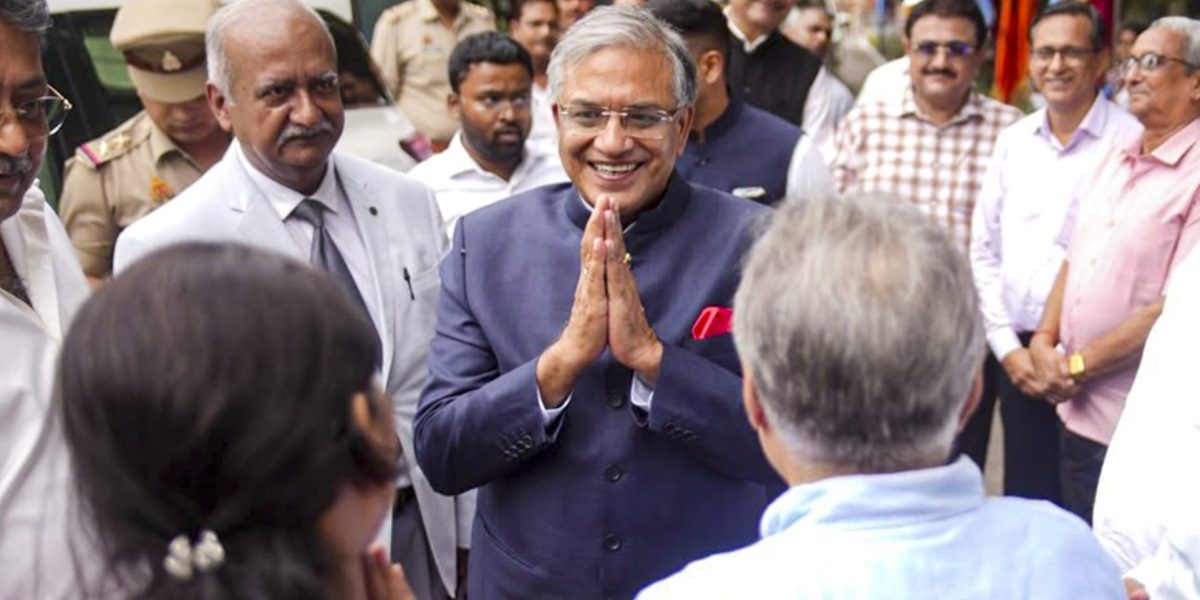
Election Commission Responds to Allegations of Internal Disputes

Nine Dead in Bus Fire on Yamuna Expressway, Greater Noida
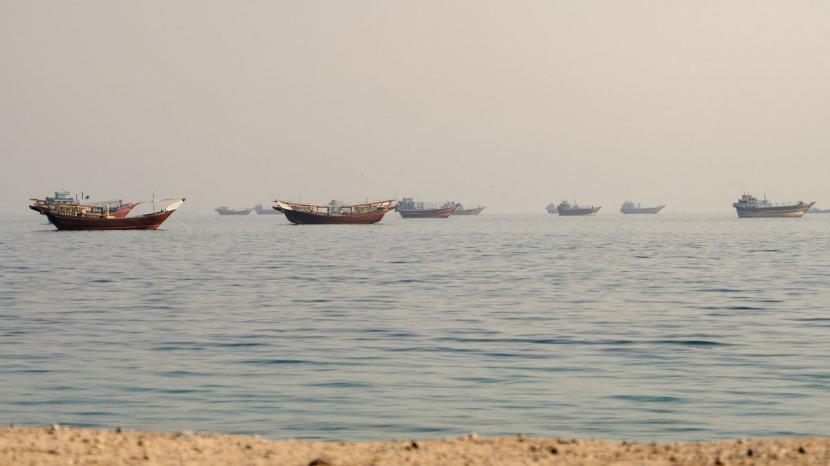
Indian Seafarer Killed in Missile Attack on Merchant Vessel Near Oman
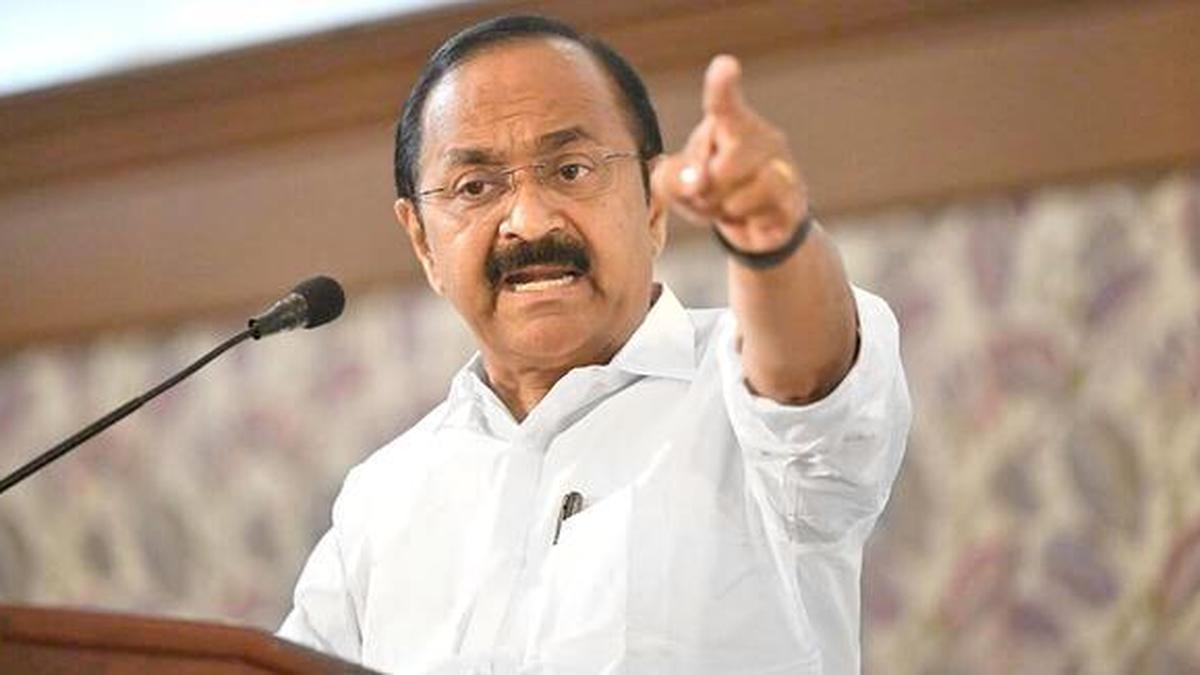
Kerala Chief Minister Faces Corruption Allegations Over Flight Funding