US Senators Challenge Trump's Russian Diesel Import Announcement


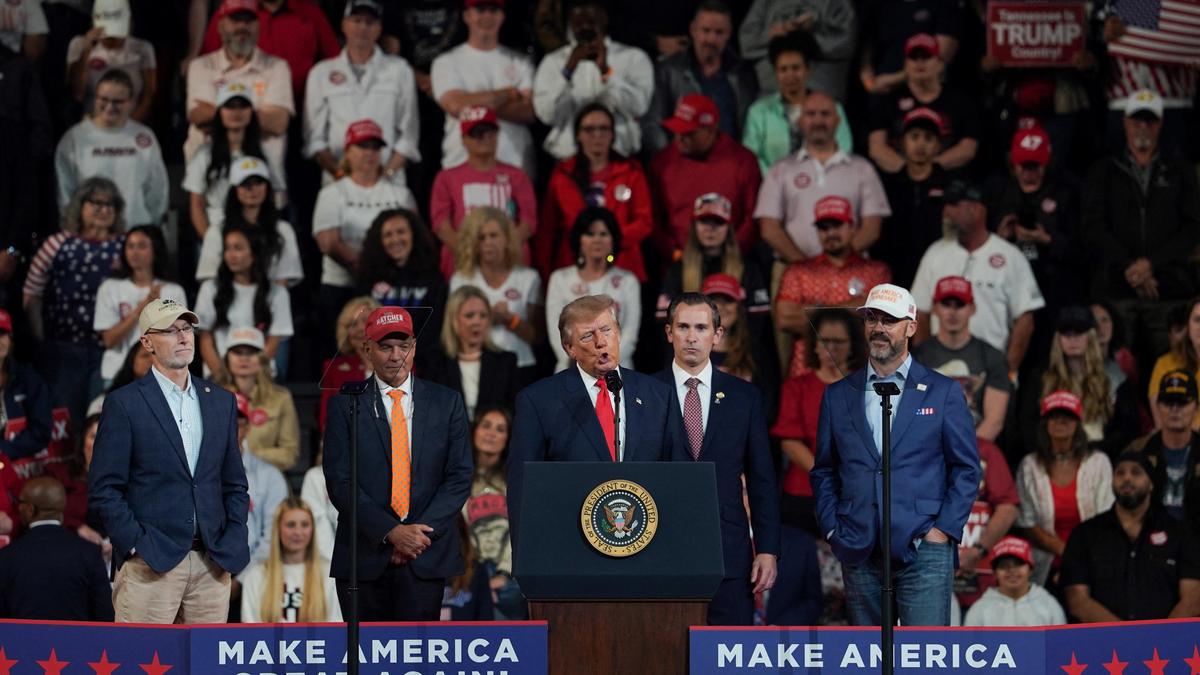
United States President Donald Trump is facing significant scrutiny from lawmakers regarding his recent announcement to import diesel from Russia. This development has prompted bipartisan concerns amid the continuing conflict in Ukraine, which has notably impacted global energy prices.
On Friday, President Trump revealed that Russian President Vladimir Putin had agreed to release an initial shipment of 300,000 tonnes of diesel to be made available to the American and global market. Furthermore, he indicated that subsequent shipments would follow, including an additional 500,000 tonnes in November and a total of one million more after that. The plan also includes up to three million tonnes to be delivered in the near term, contingent upon the operational status of Russian refineries that have been damaged due to the ongoing war.
In a post on his social media platform, Truth Social, Trump emphasised his commitment to reducing fuel prices for Americans, particularly targeting the agricultural community. "Lower prices for Americans, especially our Great Farmers, Ranchers, and Truckers, is my Greatest Priority," he stated.
However, the announcement has been met with sharp criticism from several US Senators, who argue that the deal fundamentally contravenes recent legislation aimed at blocking Russian energy imports. A coalition of senators, which includes four Republicans and three Democrats, urged President Trump to reconsider, stating that the United States should not support President Putin financially while the conflict in Ukraine persists.
The bipartisan group highlighted that Congress had explicitly banned Russian energy imports in 2022 to prevent American funds from supporting Russia's military actions against Ukraine. Their statement underscored the view that allowing such imports represents a significant financial lifeline for the Russian government during wartime.
Among those opposing the diesel import scheme are Senators Susan Collins, Lisa Murkowski, Thom Tillis, and John Curtis, along with Democratic Senators Jeanne Shaheen, Richard Blumenthal, and Ron Wyden. They collectively voiced their apprehensions over the potential violations of US law involved in the deal.
While many lawmakers have expressed reservations, not all voices in Washington are opposed to the decision. Republican Congressman Thomas Massie stated that lifting sanctions on all petroleum products might be a necessary course of action. In a similar vein, former Treasury Secretary Scott Bessent defended the agreement, asserting that it would proceed through existing legal frameworks to aid in stabilising fuel prices.
As global fuel prices have surged following the escalation of hostilities between Israel and Iran, energy affordability has become a critical issue ahead of the upcoming midterm elections. This situation has been particularly burdensome for agricultural states in the US that rely heavily on diesel for farming operations.
According to the American Automobile Association (AAA), the current average price for diesel fuel in the US is approximately $6.28 per gallon, a decrease from a peak of $6.53 at the end of September.
Analysts have raised concerns regarding Russia's capacity to fulfil the promised quantities of diesel and the actual impact this deal will have on American fuel prices. The US consumes around 3.6 million barrels of diesel daily, meaning even a successful delivery of 300,000 tonnes this month would represent roughly half of the daily consumption needs.
Internationally, leaders have also voiced their concerns regarding this decision. Canadian Prime Minister Mark Carney and UK Defence Secretary Wes Streeting, among others, have suggested that the US and its allies must exert additional pressure on Russia to conclude the conflict.
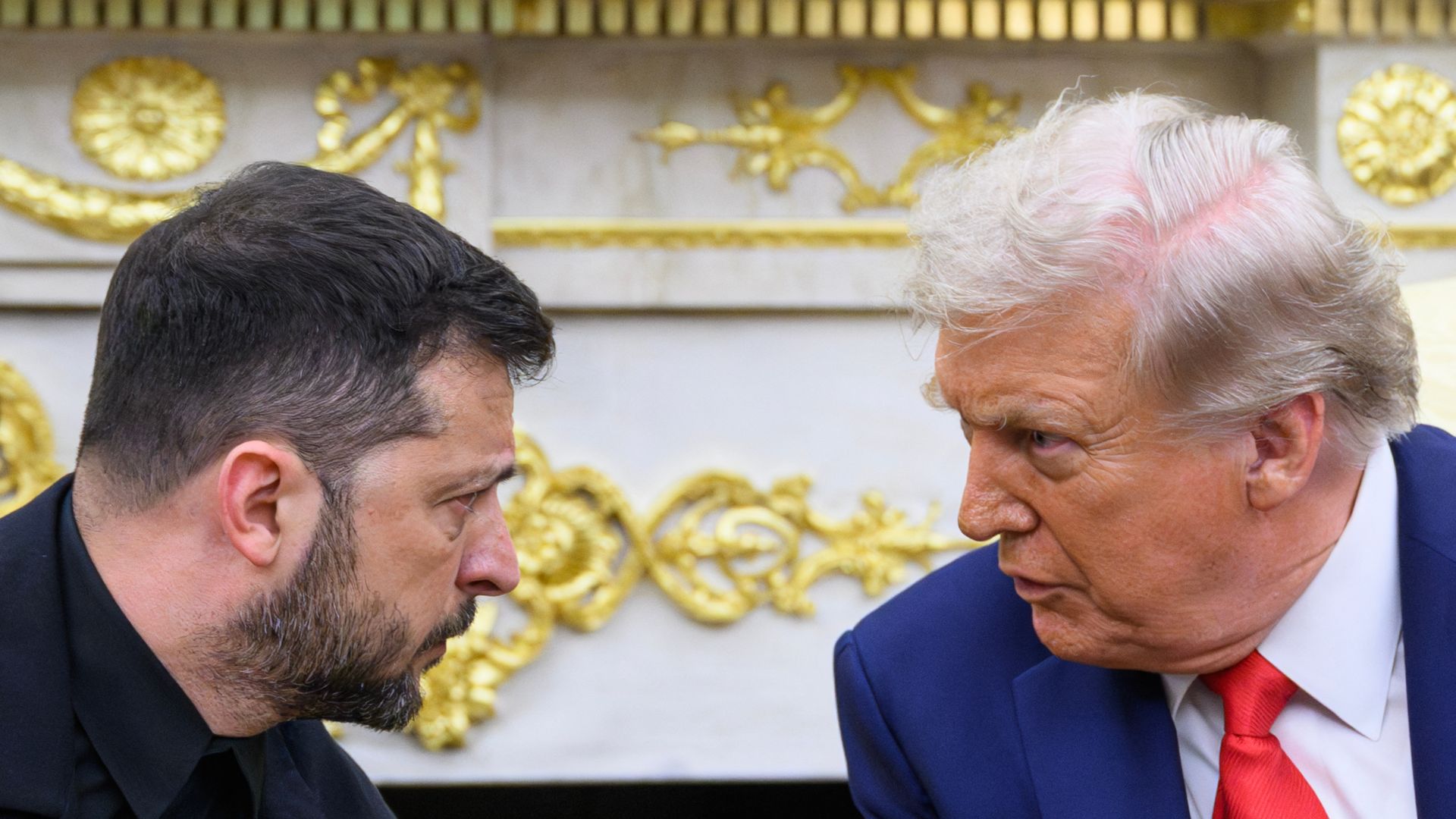
Despite the backlash, President Trump announced that Russia and Ukraine had reached what he termed an 'energy ceasefire', although details surrounding this declaration remain sparse. Ukrainian President Volodymyr Zelensky welcomed the news, but the Kremlin has yet to comment publicly on the matter.
With the midterm elections approaching, Trump appears to be actively seeking strategies to mitigate the political fallout from rising energy prices, which have become a focal point of public discontent regarding his administration's economic management policies.
Russia Strikes Ukrainian Energy Facilities Following Ceasefire Announcement
India Condemns Assault on Vessel with Indian Crew near Oman
Foreign Portfolio Investors Withdraw Rs 44,166 Crore from India

Strait of Hormuz Attacks Escalate Amid Diplomatic Stalemate