US Senate Approves Bill Targeting Russian Oil Imports from Key Nations



The United States Senate has passed a new legislative measure targeting the importers of Russian petroleum products, notably including India and China. This legislation is designed to address concerns that such imports are financing Russia's continued military actions in Ukraine. The bill, officially named the Lindsey O. Graham Sanctioning Russia and Iran Act of 2026, secured significant bipartisan support, passing with a vote of 86 in favour to 11 against.
Under the terms of this bill, President Donald Trump will be empowered to impose tariffs of up to 100 per cent on goods imported from countries identified as being among the top five purchasers of Russian oil and gas. As of now, these countries include China, India, Azerbaijan, Hungary, and Slovakia.
In addition to the sanctions on key buyers of Russian energy, the bill also includes provisions for sanctions against various Russian leaders and officials, such as President Vladimir Putin, along with oligarchs and financial institutions associated with the Russian government. The legislation further extends the Iran Sanctions Act of 1996 until 2031, penalising entities that invest in the Iranian energy sector.
Republican Senator Lindsey Graham, who championed the bill, passed away on July 11, following a visit to Kyiv. His death led to a renewed commitment from lawmakers from both political parties to push for the bill's passage as a tribute to his legacy supporting Ukraine. Darline Graham, his sister who was appointed to his Senate seat after his death, expressed support for the sanction measures. She stated, "This bill forces those primary countries keeping Russia's economy afloat to make a simple yet critical choice – a choice between doing business with America or buying cheap Russian energy."
Democrat Senator Richard Blumenthal also expressed optimism after the vote, claiming that Graham would be "proud of what we've done," and called the sanctions and tariffs a means to combat what he described as a "murderous, criminal war of aggression against brave free people."
However, some Democratic lawmakers voiced concerns about the potential implications of the bill, warning that it may grant President Trump excessive tariff powers at a time when he has made tariffs a focal point of his trade policy. Democratic Congressmen Gregory Meeks and Don Beyer issued a joint statement criticising the legislation for enabling "sweeping new tariff authorities that the president could weaponise with abandon."
Despite acknowledging the urgent need to support Ukraine and penalise Russia, Meeks and Beyer expressed apprehension that the bill might undermine accountability for Trump, allowing him to impose further tariffs during his ongoing trade disputes.
The bill is now set to be reviewed by the House of Representatives when it reconvenes on August 31, where its fate will be determined. Leaders in both chambers are keen to advance the legislation following its successful passage in the Senate, underscoring the significance of maintaining pressure on Russia amid the ongoing conflict in Ukraine.
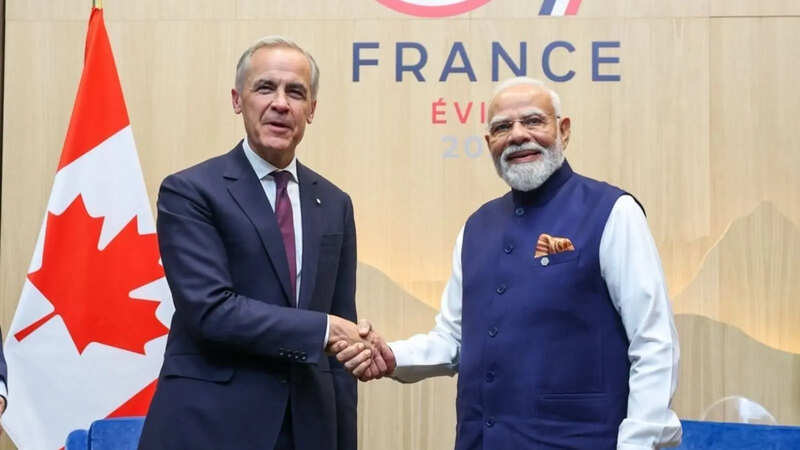
Canada and India Accelerate Trade Talks Ahead of December Visit
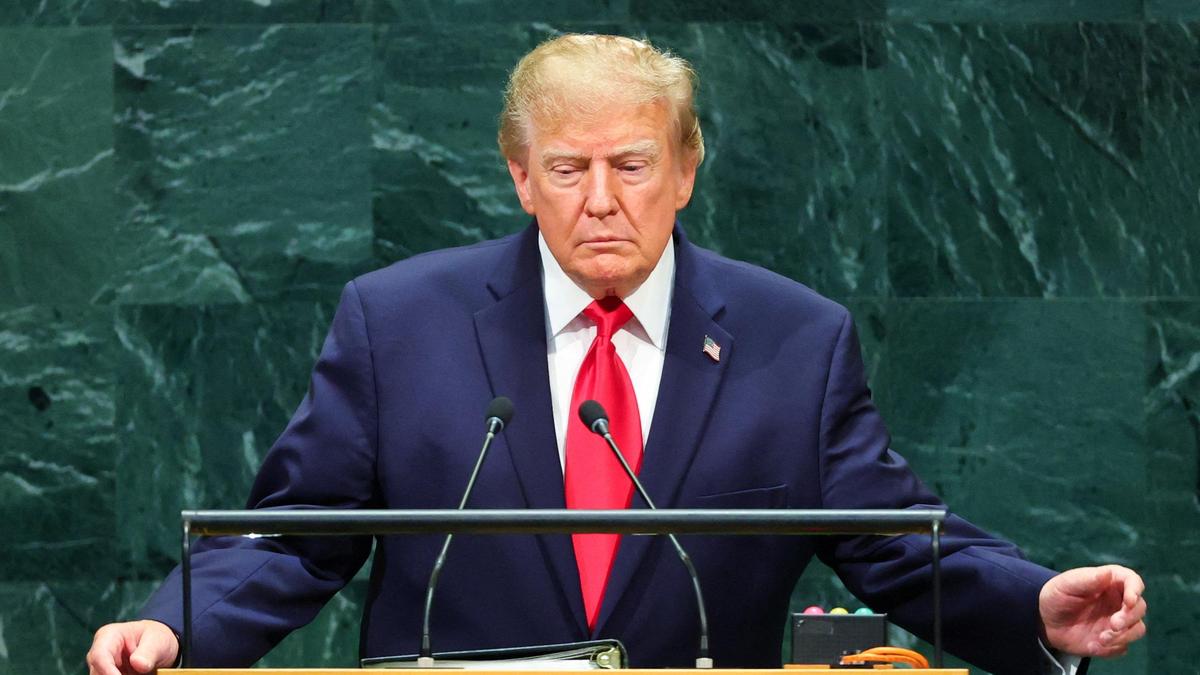
US President Donald Trump Addresses UN General Assembly in 2026

Richa Chadha Commends Salman Khan's Stand Against Body-Shaming

Delhi University Students Express Concerns Over Safety After Assault