US Sanctions Warning for Shipping Firms Paying Iran Tolls


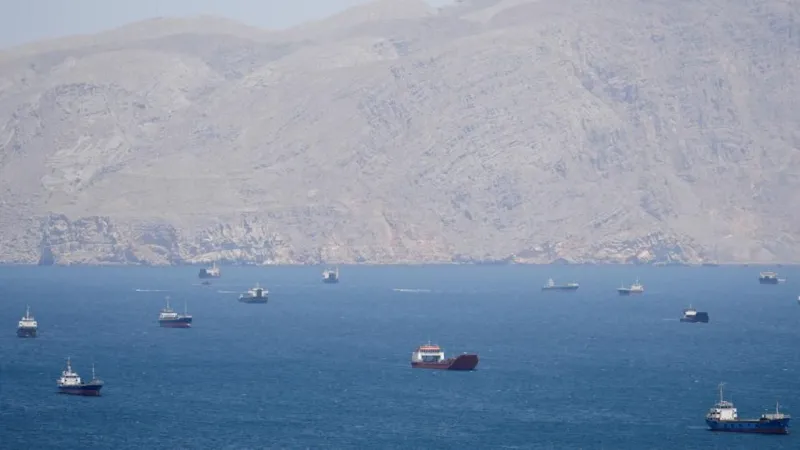
The United States has issued a warning to shipping firms that they risk sanctions if they make payments to Iran for safe passage through the Strait of Hormuz. The alert, released by the United States Office of Foreign Assets Control (OFAC), emphasised that US persons and entities are prohibited from engaging in transactions with Iranian government bodies. It also warned non-US entities that they could face sanctions repercussions if they settle payments to Iran. OFAC stated, "Maritime industry participants involved with vessels calling at Iranian ports face significant sanctions risk under multiple sanctions authorities targeting Iran's shipping sector and ports."
Tensions in the region have escalated, particularly since the outbreak of war in February, which has severely restricted maritime traffic through the strait. The US has imposed a naval blockade on Iranian ports, further complicating the movement of vessels and cargo. Iran has, in response, labelled the US intervention in its maritime activities as "piracy". The Iranian government has started charging tolls for vessels travelling to ensure their safety, and Iranian officials claim that the revenue from these tolls has already been transferred to the Central Bank, although specific details on the amounts and methods of collection remain undisclosed.
OFAC's guidance makes it clear that both cash payments and alternative methods such as digital assets, informal swaps, or contributions at Iranian embassies are included in this directive. The agency warned that non-US persons who proceed with such payments may also incur civil and criminal liabilities, especially if those transactions impact US parties like insurers or financial institutions.
The US Treasury Department has intensified its measures, announcing sanctions against three Iranian currency exchange firms that purportedly enabled Iran to convert oil revenues into currency more accessible for local use. Treasury Secretary Scott Bessent stated, "We will relentlessly target the regime's ability to generate, move, and repatriate funds, and pursue anyone enabling Tehran’s attempts to evade sanctions."
Following attacks launched by the US and its ally Israel on February 28, Iran has escalated its military operations, targeting vessels transit in the vicinity of the Strait of Hormuz, and reportedly seizing two ships. As a result of the blockade initiated on April 13, US Central Command announced that numerous commercial vessels have been instructed to reverse course, with approximately 45 ships ordered back since the blockade’s initiation.
Historically, the Strait of Hormuz has been a vital shipping channel for a significant amount of the world's oil and gas trade, with about 3,000 vessels navigating its waters monthly. However, recent conditions have drastically reduced this traffic to a mere handful of ships daily. This decline not only impacts commercial operations but also has serious humanitarian implications, especially regarding aid distribution to regions such as Sudan, where the costs and prices of delivery have dramatically increased due to the blockade's effects.
The UN refugee agency, the United Nations High Commissioner for Refugees (UNHCR), has expressed concerns about the humanitarian impact of the closure of essential maritime routes. It indicated that longer, more expensive transport alternatives are disproportionately affecting vulnerable populations caught in crises, such as refugees.
In the continuing saga of US-Iran negotiations, a fragile ceasefire has held since April 8, but a comprehensive resolution remains elusive. Iranian officials submitted a proposal through third-party mediators in Pakistan last week, though US President Donald Trump expressed disappointment with the terms. He remarked, "They want to make a deal, I'm not excited, so we'll see what happens," signalling a complex and tumultuous diplomatic landscape.
This evolving situation underscores the precarious balance of power in the region and the risks associated with maritime navigation amidst ongoing geopolitical tensions.
China's Foreign Minister Urges Strengthening International Ties

BJP Maintains Position Despite Strong Performance by Independents in Rajasthan
India to Supply Nepal with Daily Electricity After Flood Damage

Hyderabad Introduces Gold-Plated Ganesh Idol Adorned with Diamonds