US Military Deploys Naval and Air Forces to the Middle East Amid Tensions


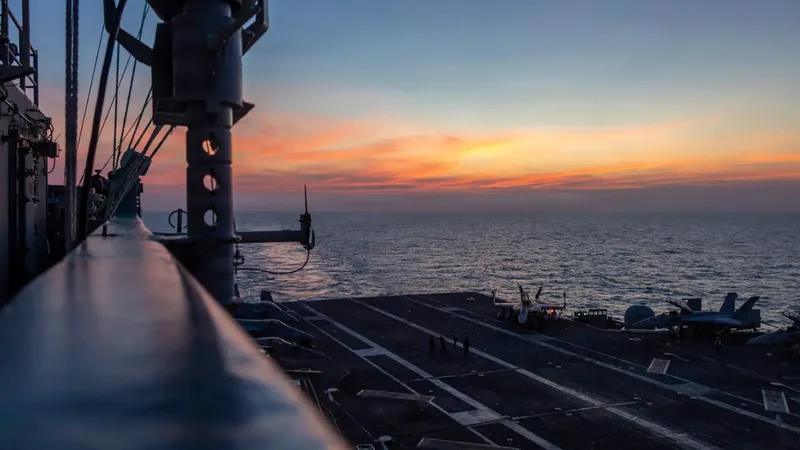
The United States has ramped up its military presence in the Middle East as geopolitical tensions with Iran continue to escalate. The deployment includes multiple naval assets and aircraft, with a focus on demonstrating US commitment to regional security.
Recent statements from US officials indicate that an aircraft carrier strike group led by the USS Abraham Lincoln is now in the vicinity of the Gulf region. This deployment comes amid heightened anxieties regarding Iran's nuclear ambitions and its support for various militia groups across the region.
US President Donald Trump recently described the naval deployment as an 'armada' heading towards the Gulf, a term that has attracted significant attention and concern. While the specifics of the military presence are not fully disclosed, the strategic positioning aims to deter any aggressive actions from Iran.
Military analysts suggest that the US's move to increase force levels is partly a response to inflammatory rhetoric from Iranian leaders. The aircraft carrier is equipped to carry out a range of operations, including air strikes and humanitarian assistance, if necessary.
Moreover, the USS Lincoln has reportedly engaged in what military commentators refer to as 'Ghost Mode', turning off its transponders which broadcast its location. This action has raised intrigue and speculation about the carrier's movements as it continues its journey towards the Gulf of Oman.
As tensions mount, the implications of these military movements are significant. Observers have noted that such a display of force could escalate hostilities in a region already fraught with conflict.
As stated by analysts, 'The deployment must be understood within the broader context of US-Iran relations, which have been under significant strain.' The US aims to reassure regional allies while also signalling to Iran the consequences of its actions.
In the face of this military configuration, calls for diplomatic solutions remain paramount. Engaging in dialogue rather than escalating military operations could provide a pathway to de-escalation in these tense circumstances. Discussions involving multiple stakeholders in the region will be crucial as the situation evolves.
The situation remains fluid, and the international community is watching closely. Any further developments could have serious implications not only for Iran and the US but also for stability in the Middle East.
As events unfold, analysts will continue to assess the impact of this military shift and the ongoing responses from various actors involved in the region's complex geopolitical landscape.
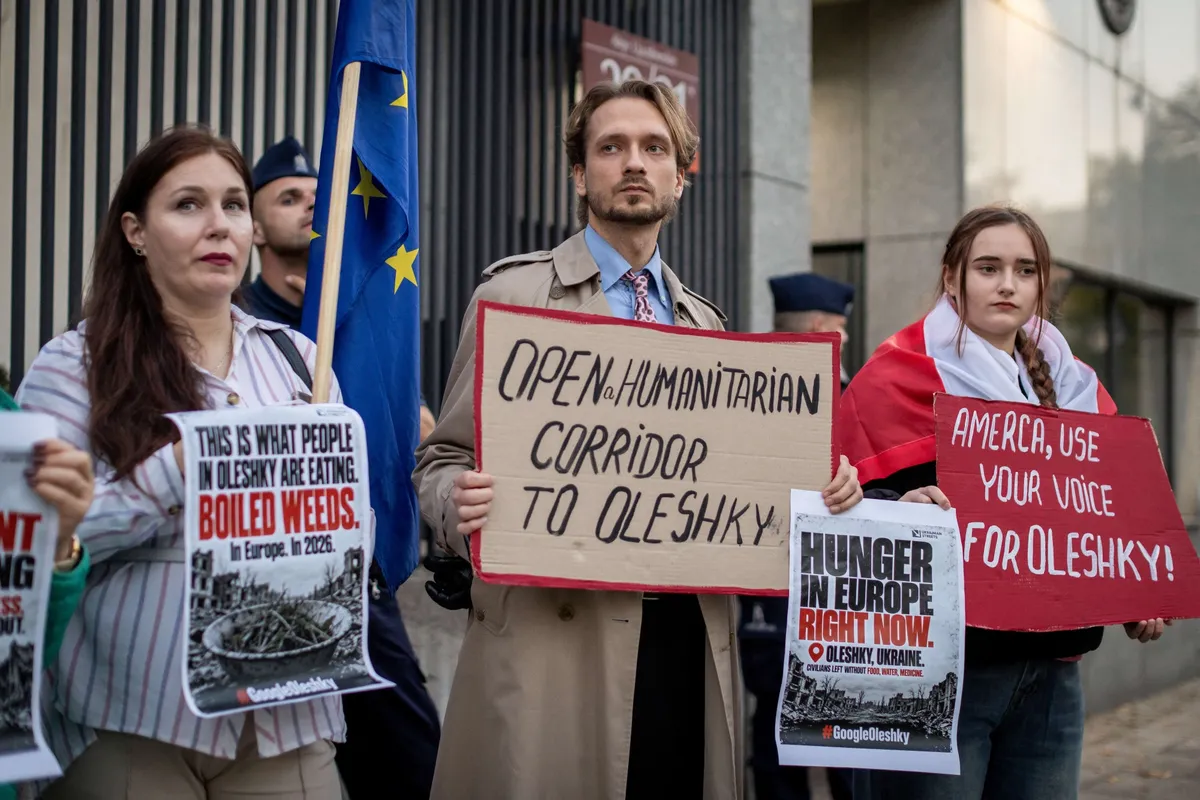
Ceasefire Agreed in Oleshky Amid Ukraine's Humanitarian Crisis
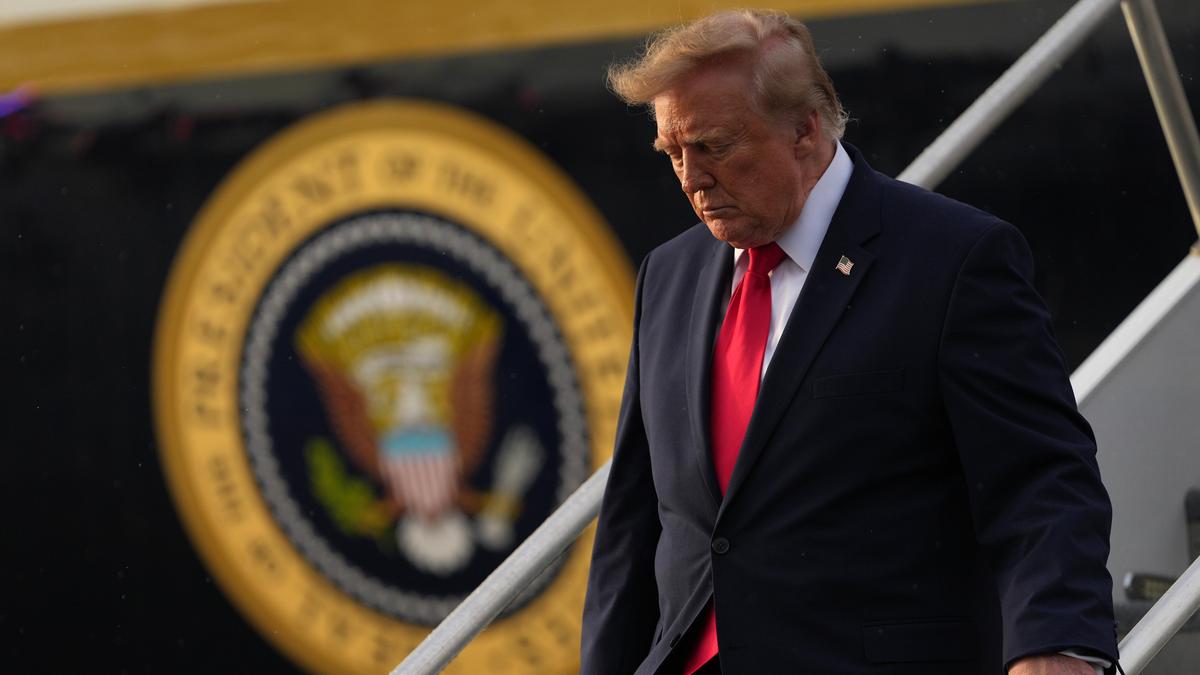
Donald Trump Hints at US Interest in Cuba After Conflict in Iran
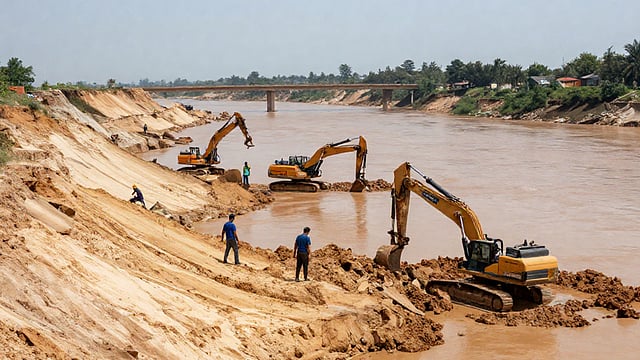
UK Court Rules Against India in RAKIA Investment Dispute
India Raises Concerns Over Chinese Border Patrolling Deviations