US Military Action Against Iran: Ongoing Diplomatic Tensions


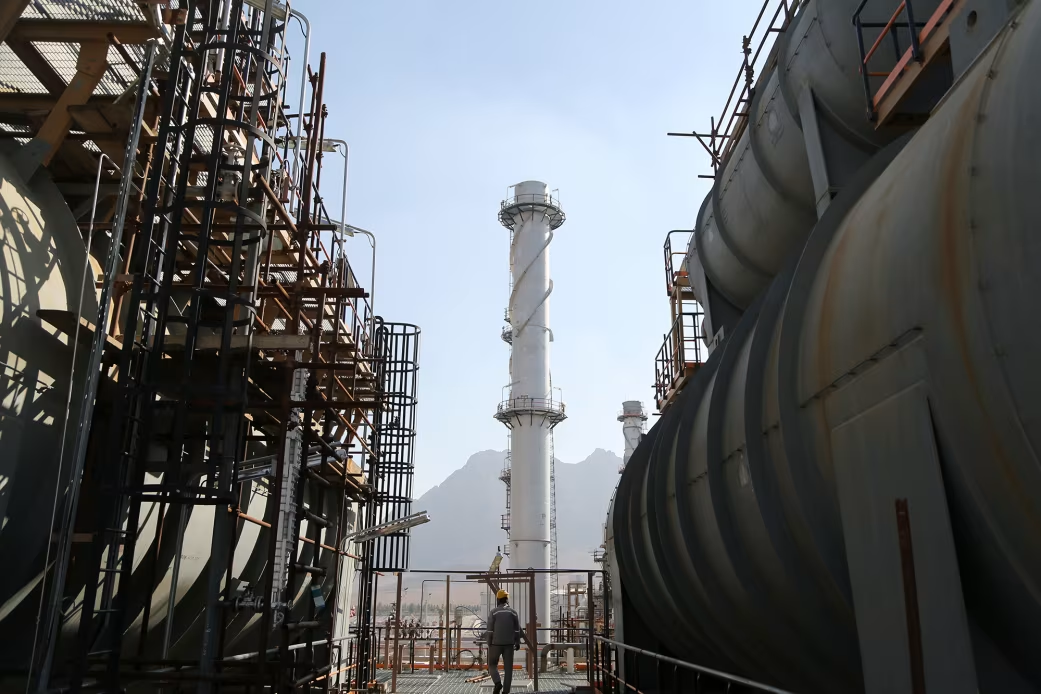
Amid ongoing diplomatic tensions, the prospect of US military action against Iran remains a subject of concern for global observers. Historical patterns indicate that military engagements have occurred when diplomatic efforts seemed to progress positively. The administration under former President Donald Trump had displayed a willingness to use military force against nations viewed as threats, such as Iran and Venezuela.
Such military actions have been characterised by significant geopolitical implications, affecting both regional stability and international relations. The potential for confrontation is often influenced by rhetoric and strategic calculations that shape the political landscape.
Recent statements from US officials have reiterated the possibility of military intervention should negotiations fail to yield satisfactory results. The implications of such actions are vast, covering issues of national security, regional power dynamics, and international law.
This situation unfolds against the backdrop of an evolving relationship between the United States and Iran, with historical grievances and mistrust impacting diplomatic efforts. The international community continues to watch closely, considering the significant repercussions that could follow any military engagement.
As the situation develops, analysts underscore the need for careful diplomatic manoeuvring to avoid escalation. The complexity of the Iranian issue reflects wider challenges faced by US foreign policy, particularly in relation to the Middle East.
In summary, the dichotomy between diplomatic efforts and military options persists in the context of US-Iran relations, indicating a precarious balance that must be navigated by current policymakers.
Kerala Initiates Probe into 2006 Suicide Case Involving CEC

Extradition of Sheikh Hasina Feasible, Says Indian High Commissioner

Punjabi Makeup Artist Mad Sandhu Shot Dead in Amritsar
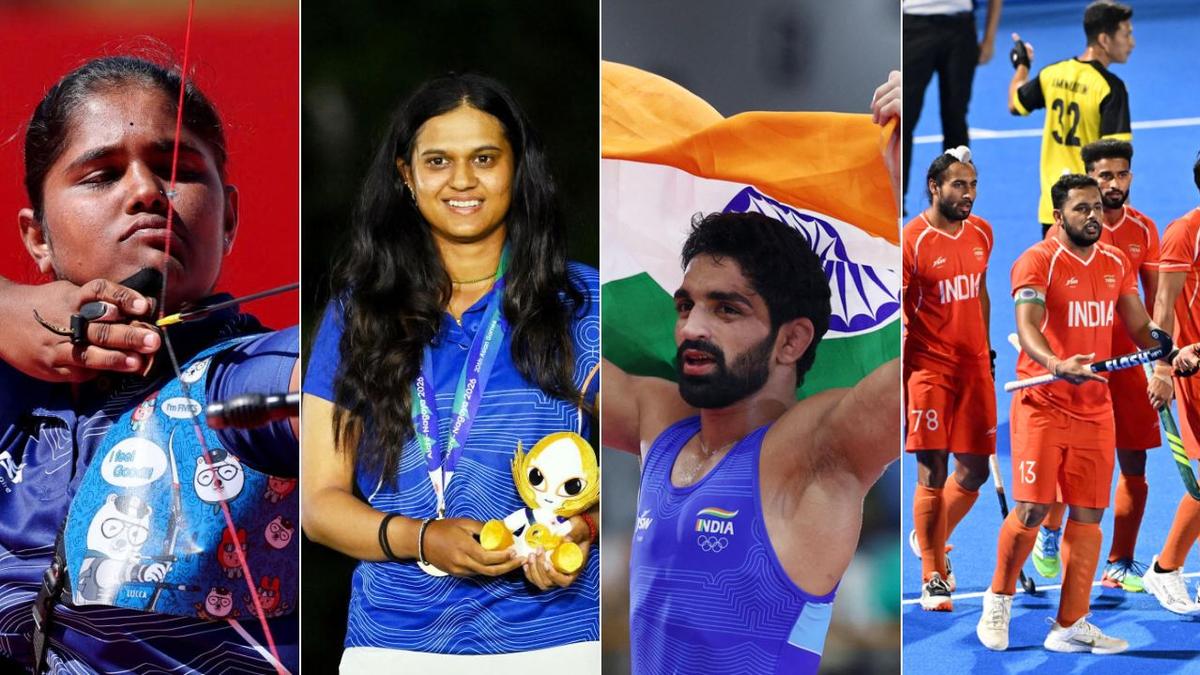
India Achieves Fourth Place at Asian Games 2026 Through Late Success