US Launches New Wave of Strikes Against Iran Amid Rising Tensions


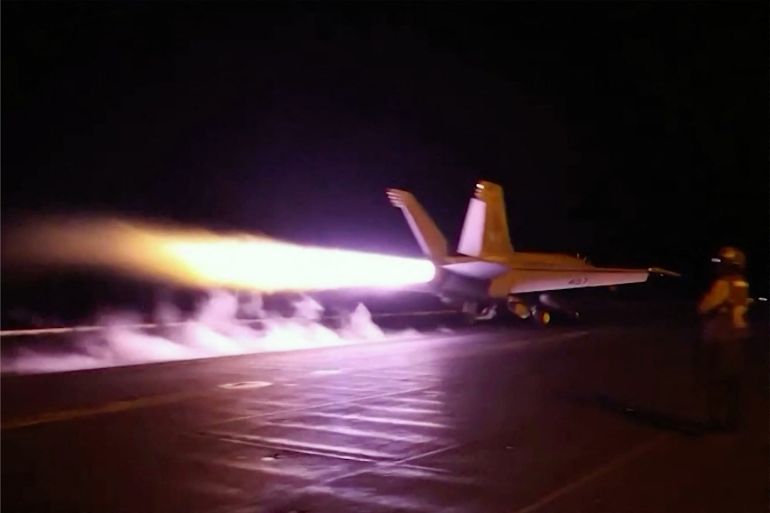
The United States has executed a significant series of airstrikes against Iran, following a five-night hiatus, in direct response to missile attacks targeting US personnel in Jordan. Reports from Iranian media indicate that three civilians, including a couple and their two-year-old child, have died as a result of the latest US bombardments on Qeshm island, the largest island in the Gulf.
The US Central Command, often referred to as CENTCOM, announced the completion of these attacks at approximately 10pm ET on Wednesday (02:00 GMT on Thursday). The military maintained that the strikes were necessary to address Iranian aggression towards American forces.
Iran’s Islamic Revolutionary Guard Corps (IRGC) confirmed the deaths of three of its members due to the US missile attacks. Following these US strikes, Iranian missiles reportedly targeted both Jordan and Kuwait on Thursday, resulting in one reported fatality in Kuwait.
According to CENTCOM, the airstrikes have successfully targeted numerous sites associated with the IRGC, including military command centres, facilities for missiles and drones, and defence sites along the coast. After nearly two weeks of nightly strikes, a pause in US military action was observed last week, which was broken following a fresh round of Iranian missile launches.
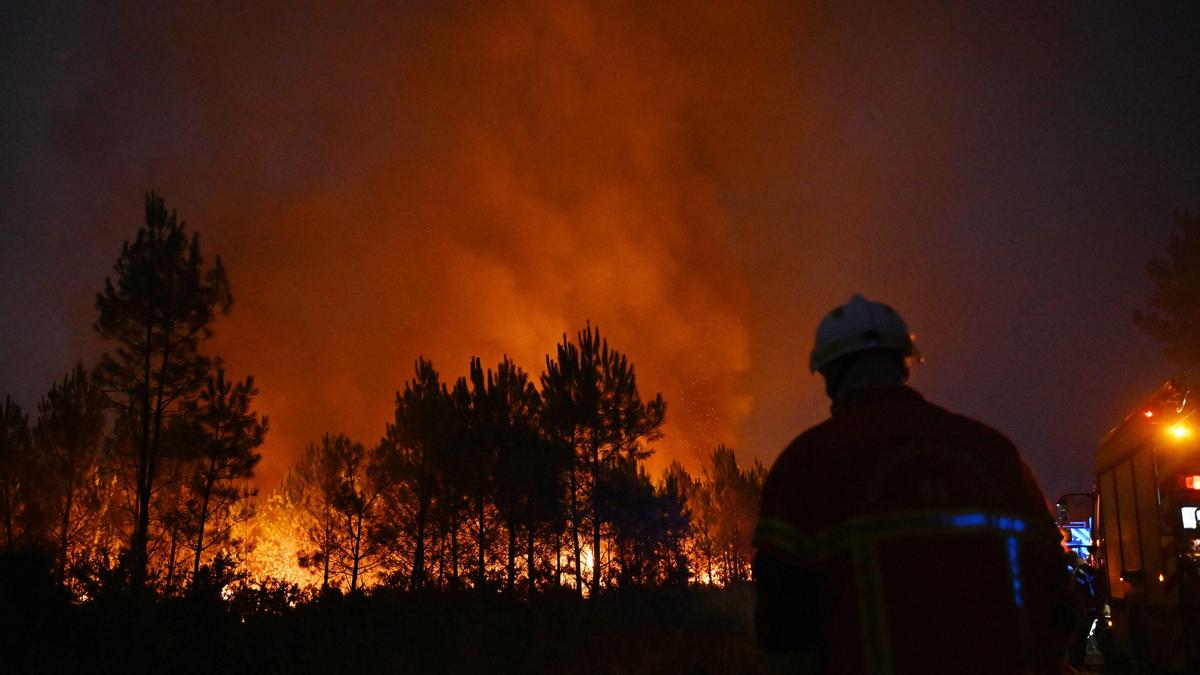
Local media in Iran have noted that significant bombings occurred in various southern cities, including Ahvaz and Abadan, locations known for their oil resources. The strikes have led to power outages in Ahvaz, as reported by the semi-official Tasnim News Agency.
The intensification of hostilities comes after US President Donald Trump noted intentions to respond robustly to Iranian actions. Iranian leadership, in response, has committed to enduring resistance against perceived threats from Washington.
Meanwhile, Iran retaliated by attacking a US airbase in Jordan, although no casualties were reported by the Jordanian authorities, which indicated the successful interception of five missiles.
In related developments, Saudi Arabia condemned the Iranian missile strikes, asserting they breach international law and contravene principles of regional diplomacy. Additionally, an Iranian strike in northern Kuwait inflicted damage on a facility associated with a Chinese enterprise, leading to the death of a worker.
Despite escalating tensions, Pakistan's Foreign Ministry has sought to convey a sense of continuity in diplomatic discussions between Tehran and Washington. Spokesman Tahir Andrabi confirmed ongoing negotiations concerning de-escalation in the Strait of Hormuz, a strategically significant maritime route.
Iranian Foreign Ministry spokesperson Esmaeil Baghaei alleged that US actions have effectively closed the Strait of Hormuz, impacting international shipping routes. He attributed the heightened aggression to a broader pattern of military engagement by the US and Israel since late March.
As analysts assess the chances for diplomatic breakthroughs, insights from Ryan Bohl of the RANE Network suggest that the US may either increase its focus on Iran's infrastructural capabilities related to the Strait of Hormuz blockade or escalate further as threatened by President Trump.
The US has expressed an unwavering commitment to countering Iran's influence in the Strait, which is vital for global oil transportation. Earlier negotiations involving regional cooperation over the waters were rejected by Iran, further complicating diplomatic relations.
As tensions continue to rise, the US Department of the Treasury announced sanctions against two Iranian firms, asserting they facilitate a scheme involving the IRGC that forces commercial vessels to secure insurance for navigation through Hormuz. In a statement on X, Treasury Secretary Scott Bessent outlined the US's stance against allowing Iran to impede global trade or infringe upon international maritime laws.
While CENTCOM has claimed these recent military actions aim to diminish threats from Iran and its affiliated groups, former Pentagon official David Des Roches described them as relatively restrained, suggesting that they may be designed to keep avenues for diplomacy open.

Insights on La Tomatina: An Indian Traveller's Experience

Indian Boxers Set New Record Ahead of CWG 2026 in Glasgow
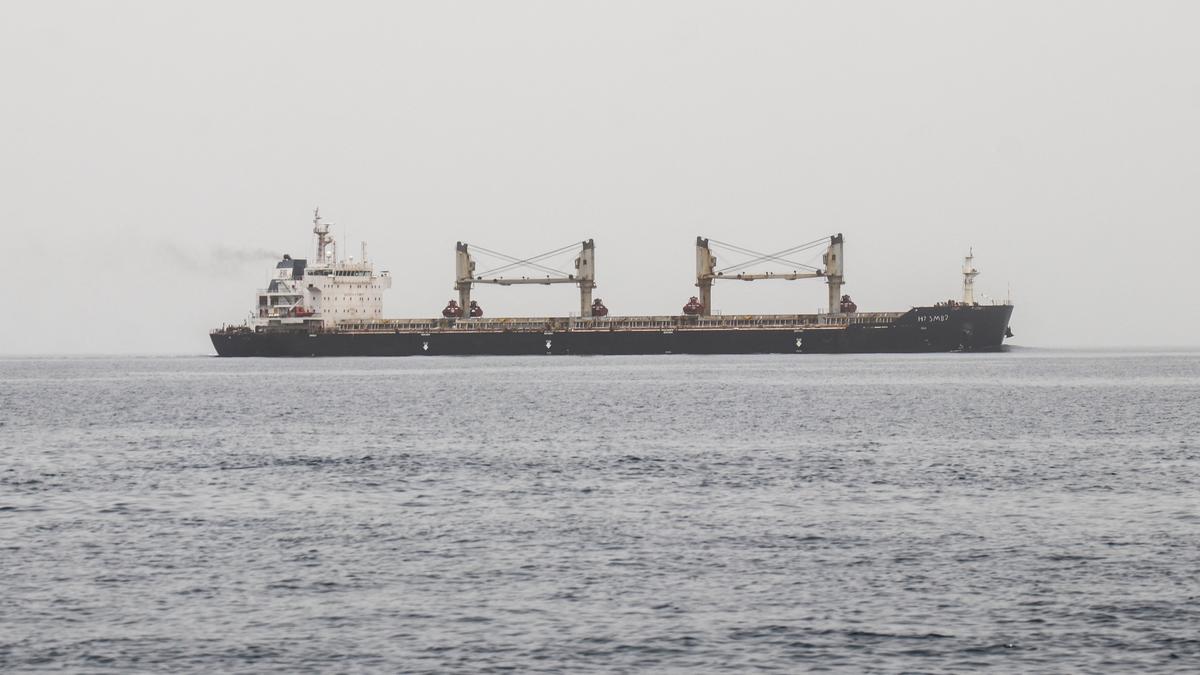
Saudi Arabia Plans Coalition to Secure Red Sea Shipping Routes
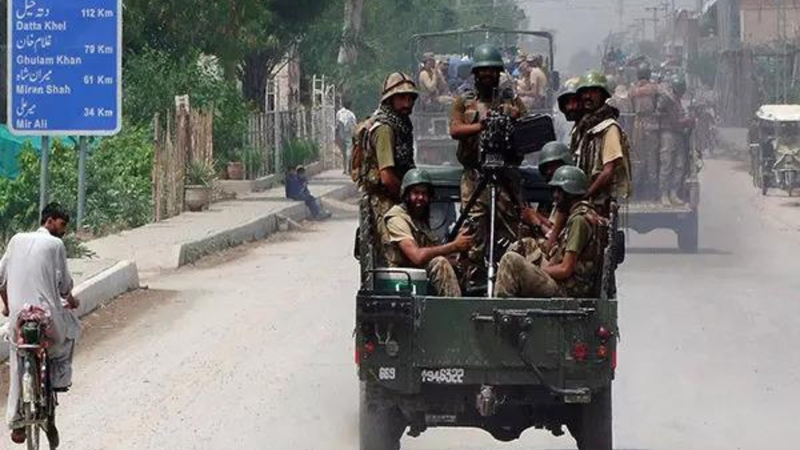
Clash in Khyber Pakhtunkhwa: 11 Police and 15 Militants Killed