US and Iran Tentatively Agree on 60-Day Ceasefire Extension


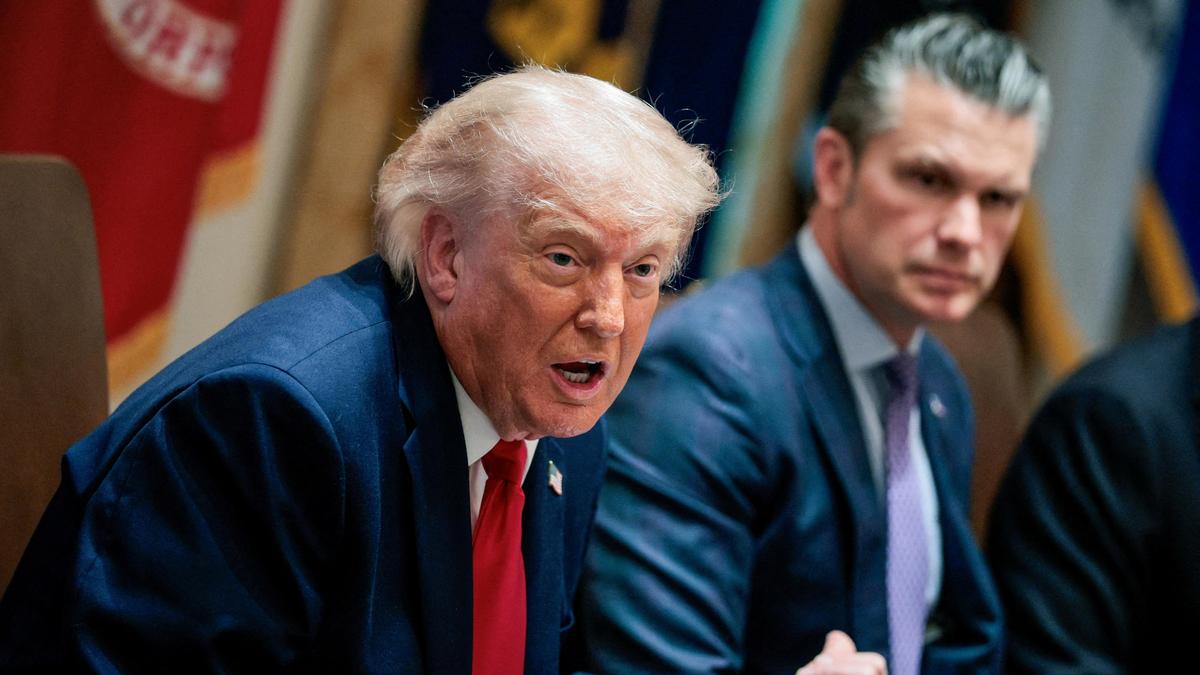
US and Iranian officials have reached a tentative agreement to extend the current ceasefire by an additional 60 days, alongside initiating discussions regarding Iran's nuclear programme. This development, reported by sources familiar with the matter, is contingent upon the approval of US President Donald Trump.
This agreement comes in the wake of recent tensions, with the US military accusing Iran of breaching the fragile ceasefire. According to reports from Kuwait, missiles launched by Iranian forces were intercepted, which the US Central Command categorised as an "egregious ceasefire violation." This incident has raised alarms and jeopardised ongoing negotiations aimed at resolving the conflict that has engulfed the region.
Despite these tensions, President Trump expressed confidence in his administration's ability to make progress in negotiations with Iran. Sources confirmed that the preliminary agreement includes a framework for extending the truce and commencing talks on Iran’s nuclear capabilities. However, without Trump's endorsement, this tentative accord cannot be formalised.
In related developments, US Treasury Secretary Scott Bessent issued stern warnings to Oman not to engage in any activities that could impose fees in the strategically critical Strait of Hormuz, affirming that the US would impose penalties on any partners involved.
Bessent also announced measures aimed at intensifying pressures on Iran, including restrictions on Iranian airlines regarding landing and refuelling. He noted, "Only a satisfactory outcome in negotiations will end the downward spiral," underlining the urgency of a resolution.
In a statement from the Iranian Revolutionary Guards, officials insisted there would be a "firm response" to any further attacks from the United States, emphasising their readiness to react to aggressive actions.
Russian officials, meanwhile, have urged both nations to resume dialogue rather than escalate military confrontations. Maria Zakharova, a spokesperson for the Russian Foreign Ministry, expressed readiness to assist in the removal of enriched uranium from Iran without imposing conditions, although Washington has not yet engaged with this suggestion.
Ayatollah Mojtaba Khamenei, Iran's Supreme Leader, accused the US and Israel of attempting to destabilise Iran, calling for unity among the Iranian populace against foreign pressures.
The clashes also extend beyond diplomatic disputes, with significant violence reported in Lebanon due to the ongoing conflict between Israel and Hezbollah, exacerbating the humanitarian crisis in the region. The conflict has displaced hundreds of thousands, with many seeking refuge in safer areas.
As the situation evolves, the international community continues to monitor the ceasefire agreement and the diplomatic negotiations surrounding it. The outcome of these discussions will likely have significant implications for regional stability and the ongoing conflict in the Middle East.
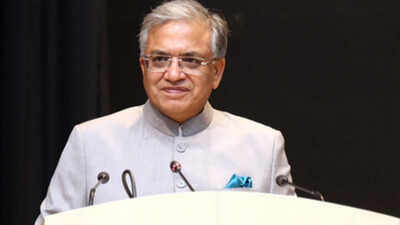
Kerala Initiates Probe into 2006 Suicide Case Involving CEC
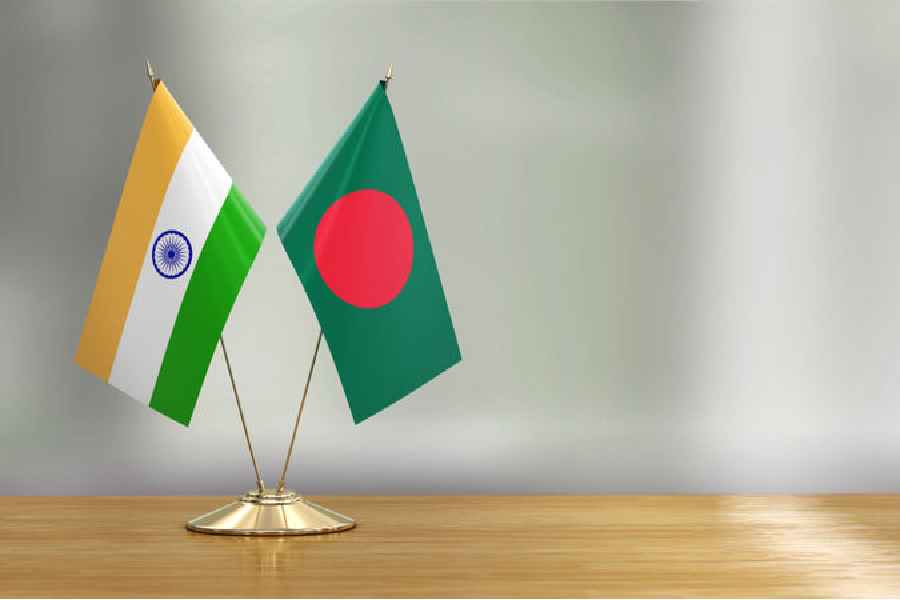
Extradition of Sheikh Hasina Feasible, Says Indian High Commissioner

Punjabi Makeup Artist Mad Sandhu Shot Dead in Amritsar

India Achieves Fourth Place at Asian Games 2026 Through Late Success