US-Iran Relations: Tensions Rise Amid Claims of Secret Talks


Amid heightened tensions between the United States and Iran, reports indicate significant changes in Iran's leadership structure. Iranian Supreme Leader Mojtaba Khamenei is expected to replace Mohammad-Bagher Zolghadr, head of the Supreme National Security Council, with Mohsen Rezaei, a senior military aide. This development was confirmed by Mohammad-Bagher Kharrazi, a senior cleric and in-law of Khamenei, during a recent speech.
In a separate context, Iraqi politician Meysar al-Shammari revealed that Iraqi Prime Minister Ali al-Zeidi is mediating between Washington and Tehran. Al-Zeidi reportedly visited both Washington and Tehran to convey messages from the United States, as noted by Iran's state-run news agency, IRNA. Al-Shammari claimed that the Prime Minister is tasked with promoting diplomatic channels aimed at reducing tensions and preventing further regional conflicts.
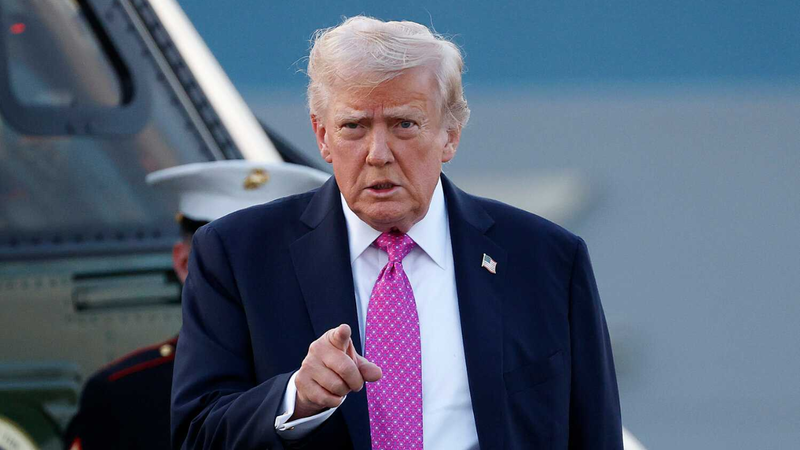
US President Donald Trump weighed in on the situation, asserting that Iran's leadership privately expresses a desire for negotiations with the United States while publicly denying such talks. In a post on Truth Social, Trump labelled Tehran as "unbelievably duplicitous," highlighting ongoing tensions surrounding Iran's nuclear programme.
"Iranian Leadership is unbelievably duplicitous! They ask for a meeting, some would say 'beg'...they say, openly and proudly, that they’re not having any discussions," Trump stated, further asserting United States control over the Strait of Hormuz.
The US President reiterated that Iran must not obtain nuclear weapons, stating emphatically, "Iran WILL NEVER HAVE A NUCLEAR WEAPON!" His remarks coincide with a significant decline in crude oil prices, which fell over 6% following his comments about possible renewed talks with Iran. The drop was also influenced by an agreement among OPEC+ members, including Saudi Arabia and Russia, to increase oil production.
On the military front, the US War Department has entered into a framework agreement with Lockheed Martin and Northrop Grumman to expand production capacity for missile interceptor systems amid escalating demands due to the ongoing conflicts in Iran and Ukraine.
Trump highlighted the "denuclearization of Iran" as a key achievement of his administration during a recent speech promoting his political agenda. He called for support for the Republican Party, suggesting that voters should contribute to what he described as "greatness in America."
In addition, Iranian Foreign Minister Abbas Araghchi spoke with both his Pakistani and Omani counterparts on Monday to discuss regional developments and diplomatic initiatives, emphasising the importance of maintaining stability in the region. Despite these diplomatic efforts, the Iranian Foreign Ministry spokesperson, Esmail Baghaei, affirmed that there were no ongoing talks with the United States.
The situation remains tense as Iran executed two citizens accused of espionage in connection with Israel. This recent wave of executions aligns with a broader increase in capital punishment for perceived national security threats, underscoring the complex political landscape in Iran.
As the conflict between the United States and Iran continues, the international community watches closely for potential developments that could alter the dynamics of the region.
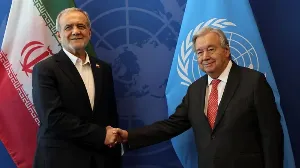
US Approves Visa for Iranian Delegation Amid Ongoing Conflict

Election Commission Restricts TMC Use of Name and Symbol in Bypolls
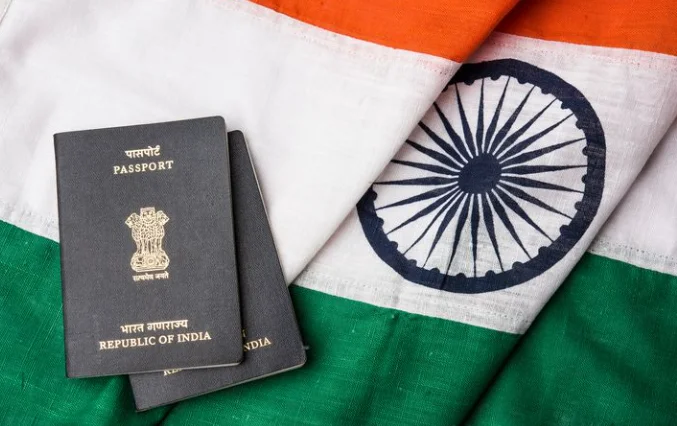
India Revises Passport Rules for Minors Under 15 Years Old
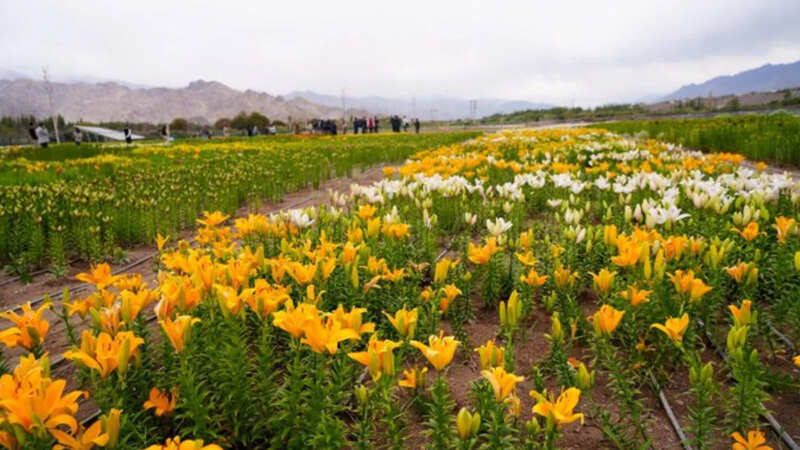
World's Highest Flower Fields Open in Leh, Ladakh at 10,600 Feet