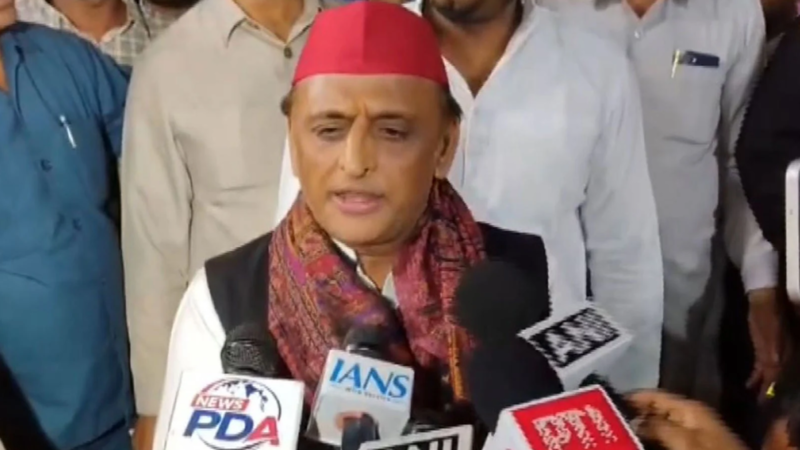
US-Iran Peace Deal Progresses Amid Ongoing Tensions


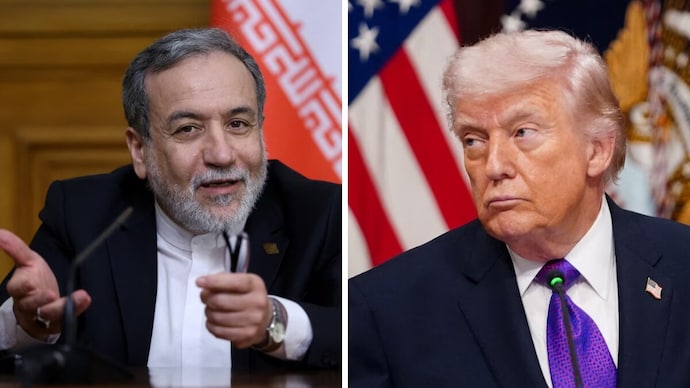
Tensions between the United States and Iran have escalated recently, but prospects for a peace agreement appear to be improving. Iranian Foreign Minister Abbas Araghchi announced that discussions surrounding a proposed agreement have reached a critical stage, referring to it as the "Islamabad Memorandum of Understanding." He stated that the two nations have "never been closer" to finalising this deal.
As negotiations continue, US President Donald Trump has reinforced the optimism surrounding these discussions by rescheduling his posts on social media to highlight the progress. Reports suggest that the agreement could lead to significant changes, including the reopening of the vital Strait of Hormuz, the release of $24 billion in frozen Iranian assets, and further conversations on Iran's nuclear capabilities within a specified timeframe.
Though both sides express optimism, Iranian officials have clarified that no definitive agreement has been established yet. They maintain that while significant components have been agreed upon, Iran will not compromise on what they deem as red lines concerning national security and control over key territories, including the Strait of Hormuz.
Israeli Prime Minister Benjamin Netanyahu has publicly declared that Iran will not be allowed to obtain nuclear weapons, regardless of the outcomes of US-Iran discussions. He expressed his solidarity with Trump's administration in efforts to contain Iran’s nuclear ambitions.
In light of these developments, Trump has indicated that a deal could be concluded imminently, perhaps by the weekend, with potential signing anticipated in Europe. He remarked, "We just made a great settlement of the war with Iran," emphasising that only the finalisation of documents is required.
Despite these declarations, tensions remain high, particularly following reports of militant actions targeting US assets in the region. Iran’s Islamic Revolutionary Guard Corps has claimed responsibility for retaliatory attacks on US military installations in Bahrain, Kuwait, and Jordan. Following this, Iran announced a complete closure of the Strait of Hormuz, a crucial maritime route for global oil shipments.
Moreover, India's government has confirmed multiple attacks on merchant vessels, resulting in the deaths of Indian seafarers, prompting diplomatic protests to the United States regarding the safety of sailors in these volatile waters.
Further complicating this geopolitical landscape, leaders from Qatar, the United Arab Emirates, and Pakistan have reached out to the US, urging caution against military escalation after Trump's warnings about possible strikes on Iran. These nations reportedly possess significant influence over Tehran, which could help manoeuvre the ongoing negotiations towards a peaceful resolution.
As the situation continues to unfold, both the US and Iran remain cautious yet committed to working towards a mutually beneficial agreement, which could marks a significant step in resolving a conflict that has already had profound effects on regional stability and global oil markets.
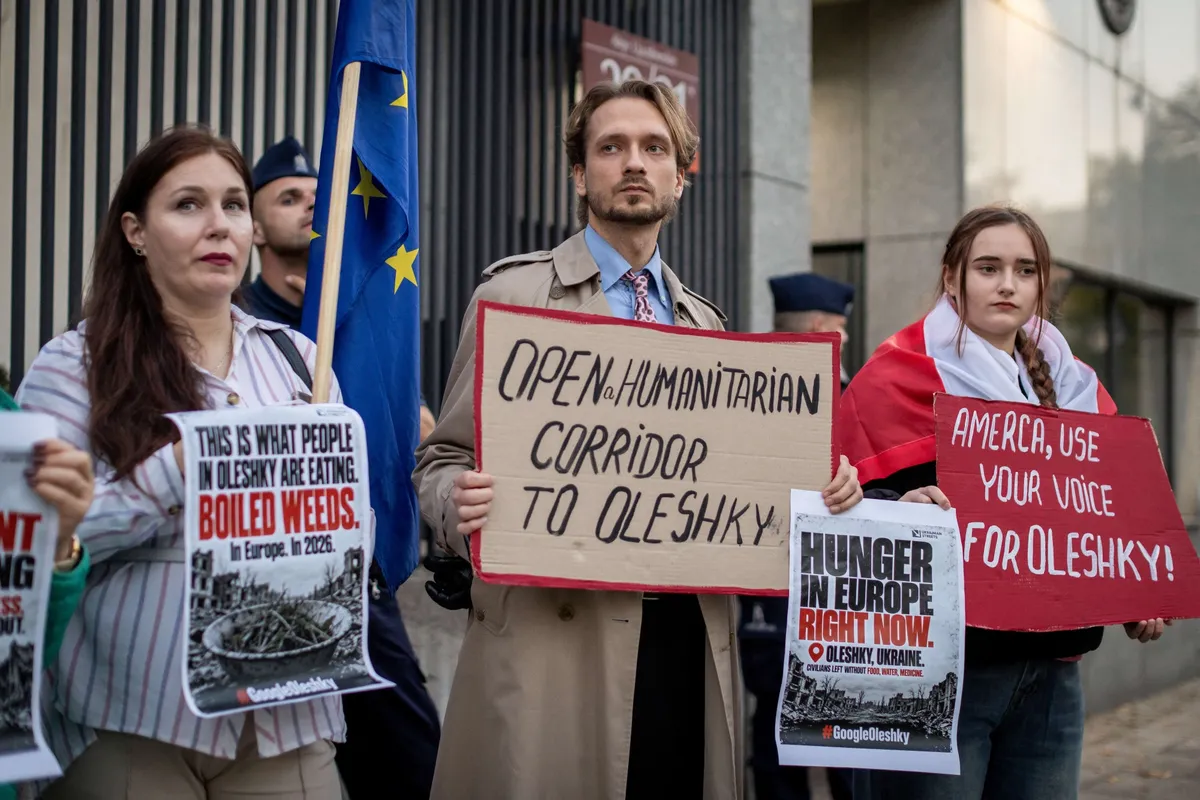
Ceasefire Agreed in Oleshky Amid Ukraine's Humanitarian Crisis
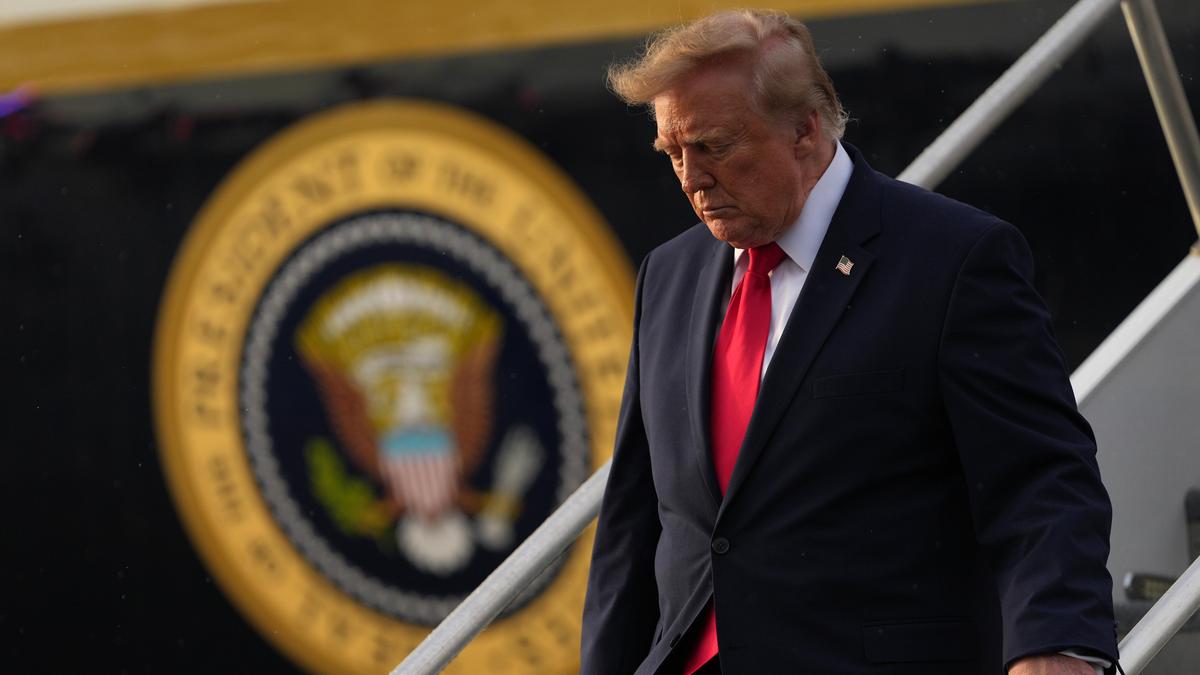
Donald Trump Hints at US Interest in Cuba After Conflict in Iran
UK Court Rules Against India in RAKIA Investment Dispute
India Raises Concerns Over Chinese Border Patrolling Deviations