US-Iran Negotiations Focus on Strait of Hormuz Amid Ongoing Tensions


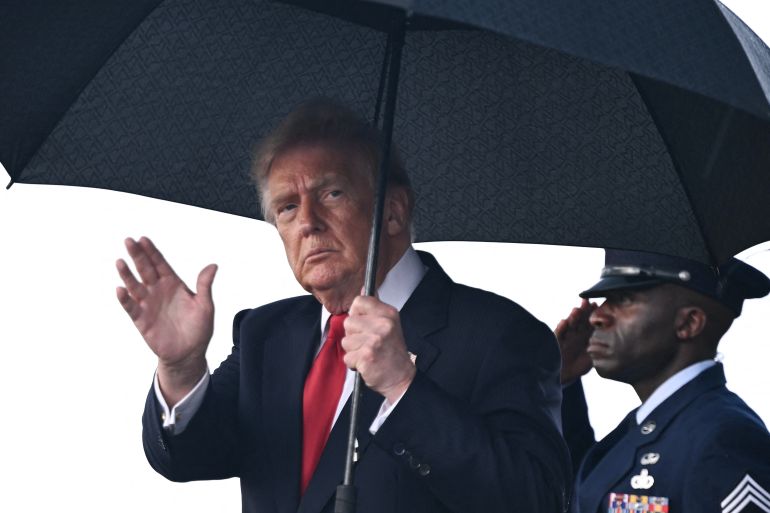
Negotiators are striving to resolve a stalemate regarding transit fees and the management of the strategically significant Strait of Hormuz. United States President Donald Trump recently indicated that Washington is participating in 'very friendly negotiations' with Iran after pausing military actions last week, raising hopes for renewed diplomatic efforts. During a gathering with supporters in Michigan, Trump stated there is 'a good chance' for progress in the discussions aimed at ending ongoing hostilities. He also reiterated the possibility of resuming military action should the negotiations not yield results. In response, Iran has publicly denied engaging in direct talks with the United States. Esmaeil Baghaei, a spokesman for Iran's foreign ministry, noted that while Tehran is not in direct negotiations, 'intermediaries may convey messages from the American side regarding ongoing developments in the region.' Reports from news outlet Axios suggest that Oman is spearheading the mediation process, with Qatar, Pakistan, and Egypt also lending support alongside Trump's envoys, Steve Witkoff and Jared Kushner. This latest diplomatic effort follows a period of reduced violence, which resumed last Friday after nearly two weeks of escalating attacks by both parties that heightened concerns of a wider regional conflict. These hostilities threatened to disrupt a Memorandum of Understanding signed in June that extended a ceasefire from April and established a framework agenda for broader negotiations. Nevertheless, disputes over its implementation quickly emerged, particularly concerning control of the Strait of Hormuz, a vital shipping corridor that connects Gulf oil producers with global markets. On Tuesday, ongoing discussions continued to centre around the Strait of Hormuz as negotiators endeavoured to salvage the agreement and avoid renewed hostilities. Doubts remain, however, regarding the likelihood of this diplomatic effort succeeding where previous attempts have faltered. The talks are also taking place amidst a rapidly changing strategic environment. The Iran-aligned Houthis in Yemen have opened a new front in the Red Sea, targeting vessels. Additionally, the situation in Ukraine has begun to interlink with the conflict; reports suggest that US stockpiles of essential munitions are experiencing strain, while Iran's economy continues to struggle and oil markets remain unsettled. Trump's upcoming meeting with Israeli Prime Minister Benjamin Netanyahu on Tuesday could potentially shape the course of these negotiations. The viability of achieving lasting peace through these talks is still unclear. While the Pakistan-mediated ceasefire established in April, along with the June MoU, aimed at reducing tensions between Iran and the US, substantial disagreements over the Strait of Hormuz quickly emerged as the primary obstacle. The MoU, signed on June 17, obligated Iran to facilitate unhindered commercial shipping through the strait for an initial period of 60 days. Iran interpreted this as a demonstration of its authority over the route, indicating the necessity for vessels to adhere to a passage approved by Tehran. Iran further suggested that transit fees could be implemented once the initial 60-day window expired. Concurrently, Oman announced a new shipping corridor through the strait, asserting that it had coordinates aligned with the International Maritime Organization and received backing from the US, which Iran contended violated the terms of the MoU. A commercial vessel navigating the route endorsed by Oman was reportedly struck on June 25, according to the British military. Following this, the US initiated another round of strikes against Iran. The escalating conflict resulted in mutual attacks beyond strictly military targets, with Iranian officials claiming that US strikes damaged civilian infrastructure, including railways, residential areas, bridges, and water facilities. Conversely, Iran later targeted vital civilian installations in Kuwait. The conflict's reach expanded further, as the Houthis declared a maritime blockade affecting Saudi ports, while an Iranian vessel in the Caspian Sea was hit by Ukrainian forces last week. Hostilities began to ease only after Trump declared a halt to US strikes last Friday, a decision followed by an Iranian military statement indicating a cessation of retaliatory actions. The negotiations resumed amid intensified dialogue. Central to the current discussions is the question of control over the Strait of Hormuz, the narrow waterway that connects the Gulf to the Gulf of Oman, through which approximately 20% of the world's oil and liquefied natural gas supplies are transported during peacetime. Tensions regarding the strait emerged only after joint US and Israeli strikes on Tehran commenced on February 28, prompting Iran to close it. Prior to these events, around 130 vessels traversed the strait daily. Oman is believed to be leading the mediation efforts, supported by Qatar, Pakistan, and Egypt along with Trump's envoys, Steve Witkoff and Jared Kushner. Al Jazeera's Tohid Asadi remarked that despite multiple points of contention in the negotiations, which also encompass the nuclear issue, sanctions, and war reparations, the dispute over control of the strait is likely the most critical matter. Oman's Foreign Minister Badr Albusaidi has engaged in a series of discussions with counterparts from Iran, Qatar, Saudi Arabia, Kuwait, and Egypt, aiming to bridge divides. In a statement, he emphasised the importance of establishing practical, equitable, and lasting arrangements for maritime navigation through the Strait of Hormuz.
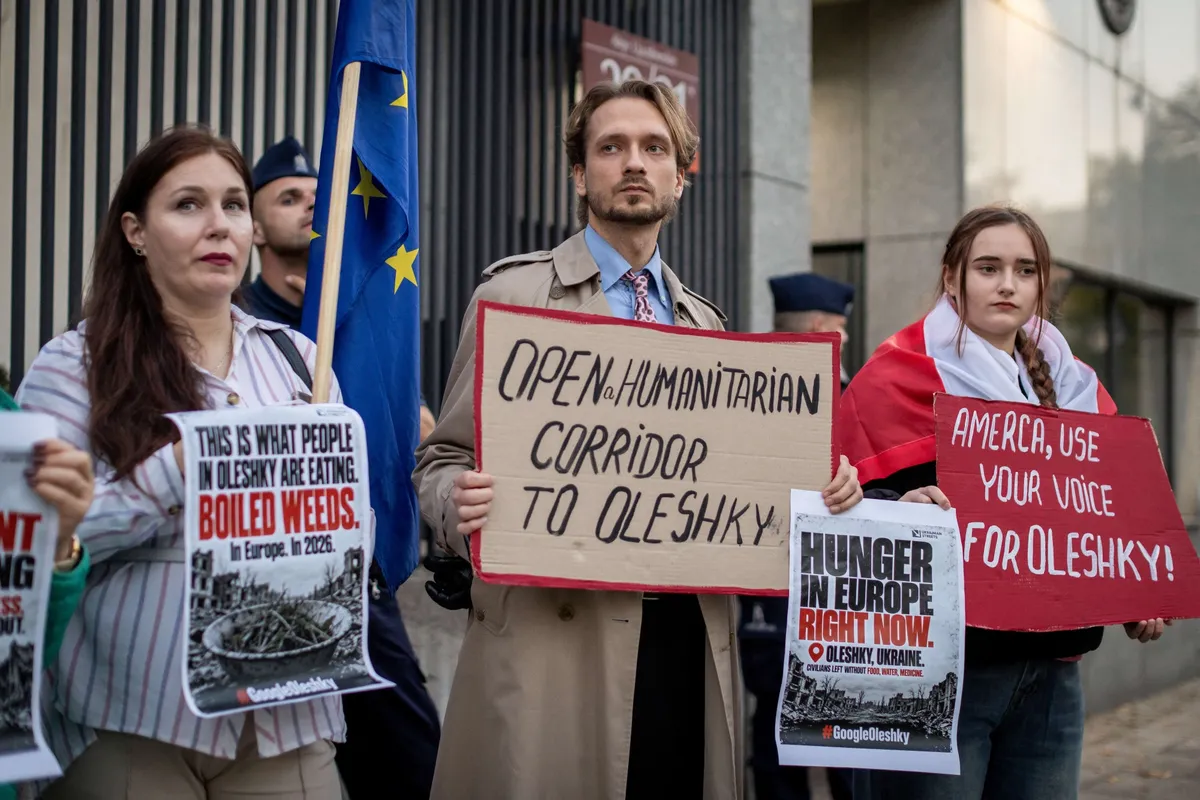
Ceasefire Agreed in Oleshky Amid Ukraine's Humanitarian Crisis
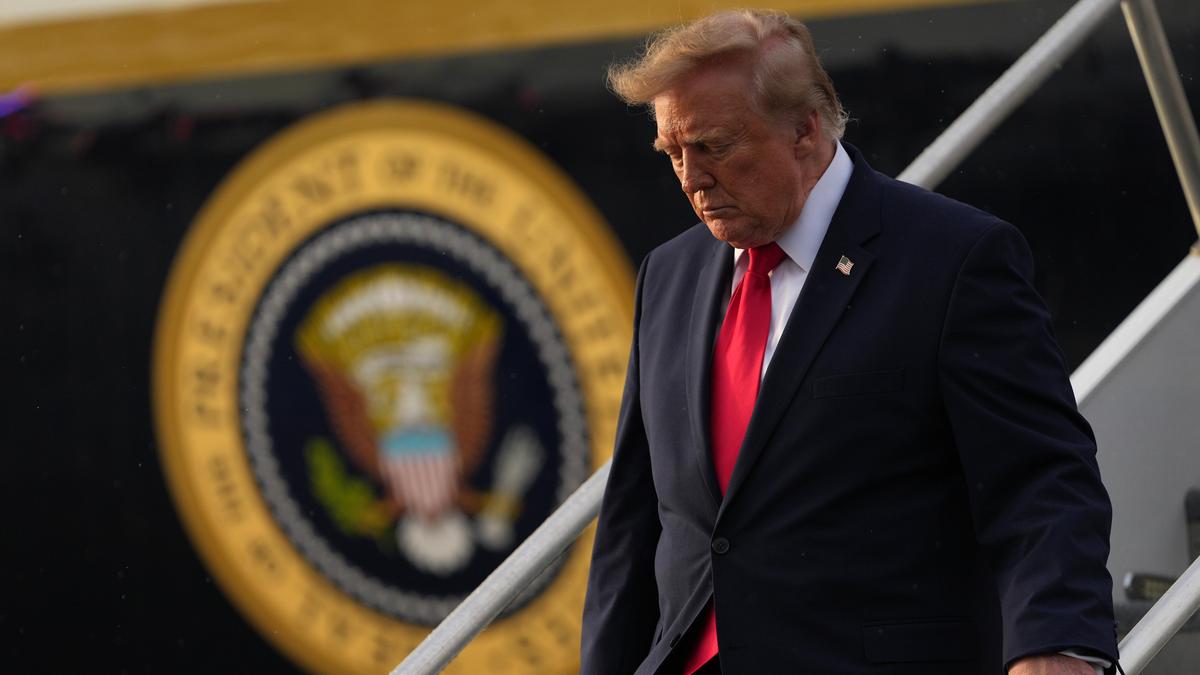
Donald Trump Hints at US Interest in Cuba After Conflict in Iran
UK Court Rules Against India in RAKIA Investment Dispute
India Raises Concerns Over Chinese Border Patrolling Deviations