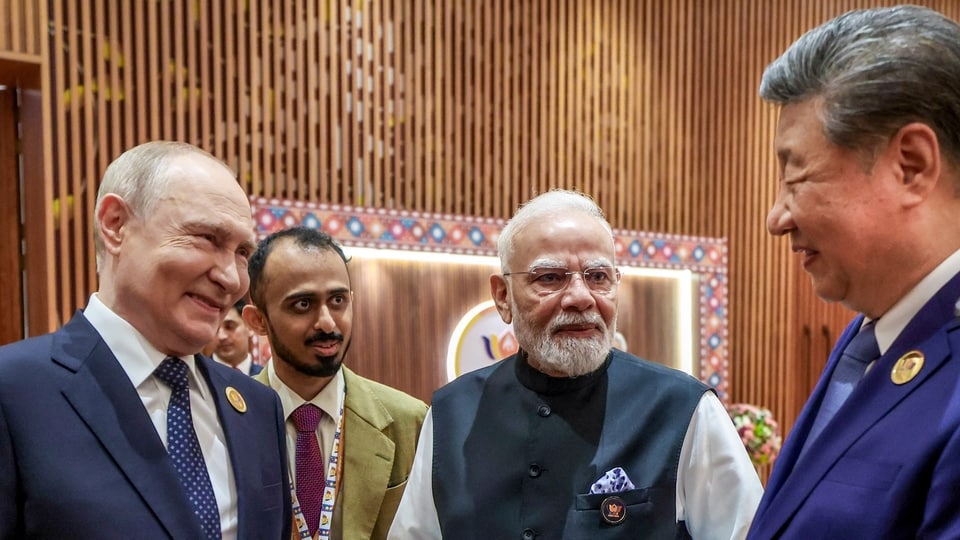
UAE and Iran Leaders Discuss Relations at BRICS Summit


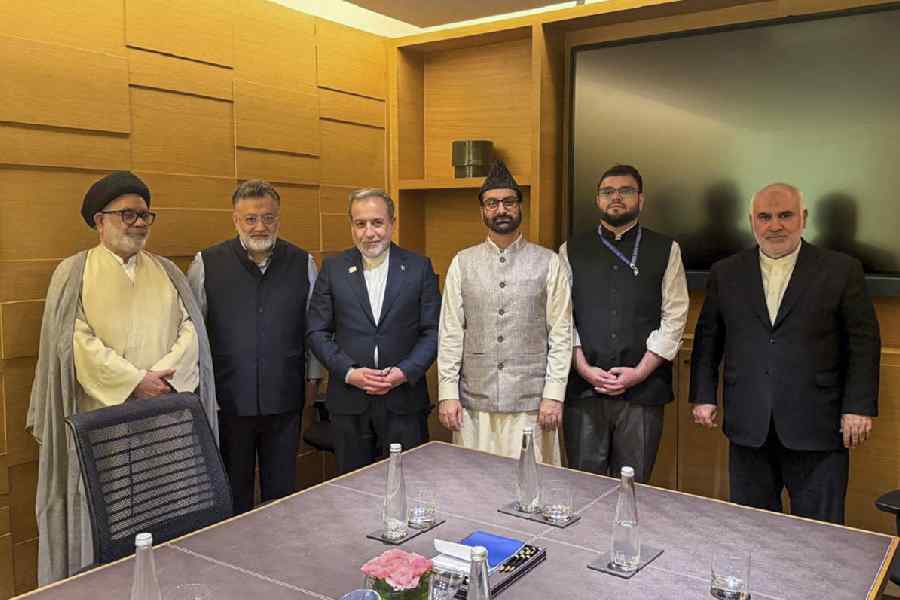
The leaders of the United Arab Emirates (UAE) and Iran engaged in significant discussions during the BRICS summit in India. This meeting, viewed as a pivotal moment in their relations, comes shortly after the UAE announced a pause on trade and financial transactions with Iran.
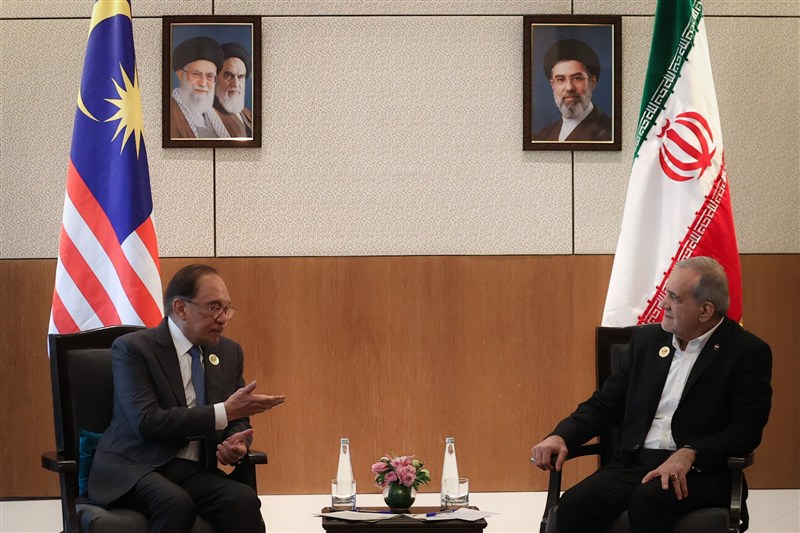
Sheikh Khaled bin Mohamed bin Zayed Al Nahyan, the Crown Prince of Abu Dhabi, met with Iranian President Masoud Pezeshkian on Sunday. This was the highest-level dialogue between the nations since the escalation of the US-Israel conflict with Iran. Anwar Gargash, a presidential diplomatic adviser to the UAE, remarked that 'trust is the mountain we will have to climb,' indicating a cautious approach to rebuilding relations.
Despite maintaining a trade suspension since 19 August, the UAE reaffirmed its commitment to dialogue and regional cooperation. The meeting's outcomes did not suggest any changes to the current trade restrictions or specific agreements between the two countries.
Danny Citrinowicz, a former head of Israel's military intelligence research department, noted that the approach from the UAE is shifting towards managing risks associated with Iran rather than isolating it entirely. 'Rebuilding even a basic level of confidence between the two sides will take years,' he stated, emphasising the UAE's interest in avoiding direct confrontation in the region.
Both nations are members of BRICS, a coalition of emerging economies which includes Brazil, Russia, India, China, and South Africa. During the summit, leaders adopted the New Delhi Declaration, which highlighted concerns over rising tensions in the Middle East and advocated for maximum restraint in military actions. The declaration also called for upholding civilian safety, national sovereignty, and a diplomatic solution to conflicts.
Chinese President Xi Jinping voiced a commitment to assist in fostering peace in the region and encouraged cooperation among BRICS members.
On a related note, President Pezeshkian stated that attacks on economic and energy infrastructure have far-reaching consequences and advocated for the use of national currencies over punitive measures like unilateral sanctions.
Additionally, Pezeshkian announced plans for Arab foreign ministers to convene in Muscat to formalise a new Iran-Oman shipping route through the strategic Strait of Hormuz, a contentious issue as Gulf countries assert that the strait must remain open for international navigation.
Anwar Gargash reiterated the UAE's stance against any unilateral control over the Strait of Hormuz, stating that such actions jeopardise oil tankers and threaten commercial activities. 'Our energy exports will not be held hostage, nor will our trade and economic activity,' he asserted.
Pezeshkian's comments about the shipping route follow Iran's announcement on 5 August regarding agreements with Oman for safe navigation. However, he emphasised the need for an end to US blockades and hostilities for the strait to be fully operational again. He did not provide a timeline for this reopening.
This dialogue, set against a backdrop of complex regional dynamics, highlights the intricate balancing act both nations are navigating in pursuit of stability and mutual interests.
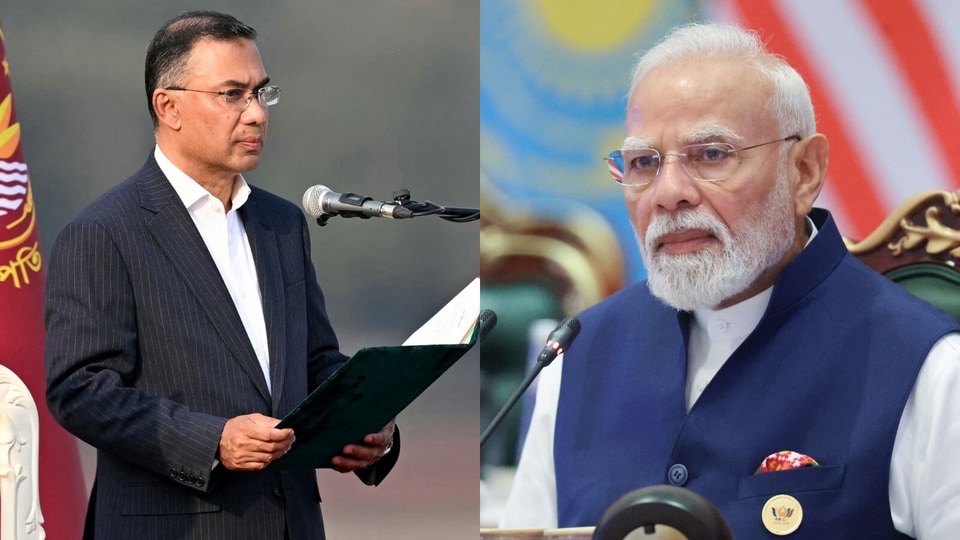
Bangladesh Aims to Redefine Relations with India Amid Strained Ties
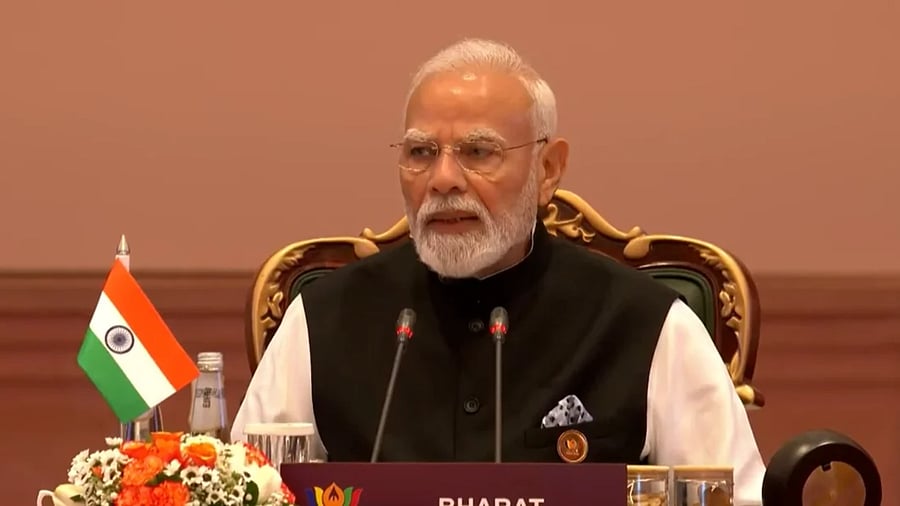
Prime Minister Modi Engages Leaders of UAE, Malaysia, Vietnam, and Ethiopia
Iran's President Criticises US Over Nuclear Accusations
Russian Air Strikes Kill Six and Injure Dozens Across Ukraine