US Imposes 126% Tariff on Indian Solar Panels Amid Trade Dispute


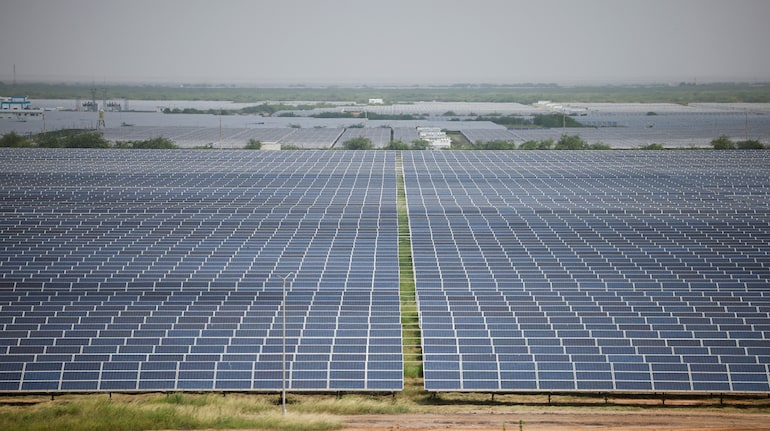
The United States has formally introduced a substantial tariff on solar panel imports from India, which will see a rate of 126% applied to these goods. This tariff is a direct response to findings that the Indian government has been subsidising its solar panel industry at an equivalent rate.
In addition to India, countervailing tariffs were also announced for solar panel imports from Laos and Indonesia, which were found to have provided similar subsidy incentives for their solar industries. These measures are the result of a trade case initiated by the U.S. solar panel sector, hoping to address what they perceive as unfair competition from foreign manufacturers.
According to a fact sheet from the U.S. Department of Commerce, there has been a sharp increase in solar panel imports from India, escalating from $83.86 million in 2022 to an anticipated $792.65 million in 2024. This surge occurred amidst difficulties in importing panels from China, combined with a heightened sensitivity to pricing in the industry.
A report by Bloomberg noted that these three countries—India, Indonesia, and Laos—accounted for 57% of all solar panel imports into the United States during the first half of 2023, amounting to a total value of approximately $4.5 billion.
The U.S. solar manufacturing sector has long advocated for reduced dependence on low-cost solar panels from Asia, particularly after these products contributed to a significant drop in global prices two years ago. At that time, prices fell by 50% within a year, reaching approximately $0.10 per watt.
Despite the Biden administration's own support for the solar industry, subsidisation rates have remained considerably lower than those from Asian nations. Efforts to impose tariffs on Chinese solar products preceded the escalation of India's solar manufacturing capabilities, further intensifying the competitive landscape.
An attorney representing the Alliance for American Solar Manufacturing remarked, "American manufacturers are investing billions of dollars to rebuild domestic capacity and create good-paying jobs. Those investments cannot succeed if unfairly traded imports are allowed to distort the market," as reported by Reuters.
As this dispute unfolds, the implications for the solar industry, as well as broader international trade relations, will be closely monitored, especially in a market where price sensitivities and domestic manufacturing capabilities are critical drivers of growth and sustainability.

Kerala Initiates Probe into 2006 Suicide Case Involving CEC

Extradition of Sheikh Hasina Feasible, Says Indian High Commissioner

Punjabi Makeup Artist Mad Sandhu Shot Dead in Amritsar

India Achieves Fourth Place at Asian Games 2026 Through Late Success