US Identifies India in Scheme to Evade Tariffs on Chinese Goods


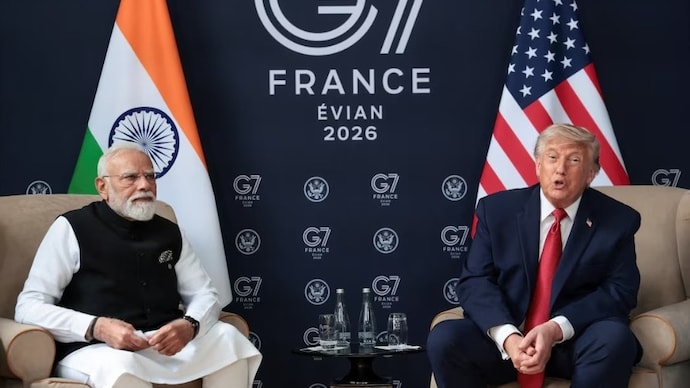
A recent report from the White House has flagged India as a significant player in what it terms a "shadow transhipment network". This network allegedly enables Chinese products subject to high tariffs to enter the United States by rerouting through countries with lower tariffs. The report, entitled "The Great Transhipment Scam" and endorsed by key adviser Peter Navarro, estimates that the illegal transhipment could involve approximately $60 billion worth of goods, costing the US government billions in tariff revenue.
The issue intensified following the introduction of Section 301 tariffs by the Trump administration in 2018, which aimed to address America's widening trade deficit with China. These tariffs prompted Chinese exporters to seek alternative routes for shipping their goods. The report outlines that these products, once routed from China, could be sent via nations where minimal alterations—such as assembly, finishing, or relabelling—occur, thus creating an impression of different origins.
Currently, around 40 countries are implicated in this transhipment scheme, and India has been categorised in Tier 1, alongside other major trading partners such as Canada, Japan, and the European Union. According to data attributed to the US Commerce Department, in 2025 alone, about $67 billion in goods were routed from China through top hubs including Mexico, India, and Vietnam, resulting in estimated tariff losses of $28 billion.
The report further suggests that the influx of transshipped goods from China has serious economic ramifications for the US manufacturing sector. It estimates that if the illegal transshipment value reaches approximately $75 billion annually, up to 450,000 jobs could be displaced, with a potential reduction in Gross Domestic Product (GDP) amounting to between $113 billion and $150 billion. Additionally, federal revenue losses could range from $19 billion to $26 billion, based on model-based projections.
Specific regions in India have seen economic gains due to this transshipment, with the report citing the Pune-Gujarat-Chennai corridor as a beneficiary of Chinese goods, which adversely affects American manufacturers in cities such as Cincinnati, Dayton, and Columbus.
To counteract these practices, the report urges immediate actions against countries facilitating the rerouting of tariffed goods. Possible measures include penalties, sanctions, and revocation of market access. The report highlights the need for robust enforcement to combat the evasion of US trade laws and protect American economic interests.
India's Jaishankar Criticises Pakistan at UN General Assembly
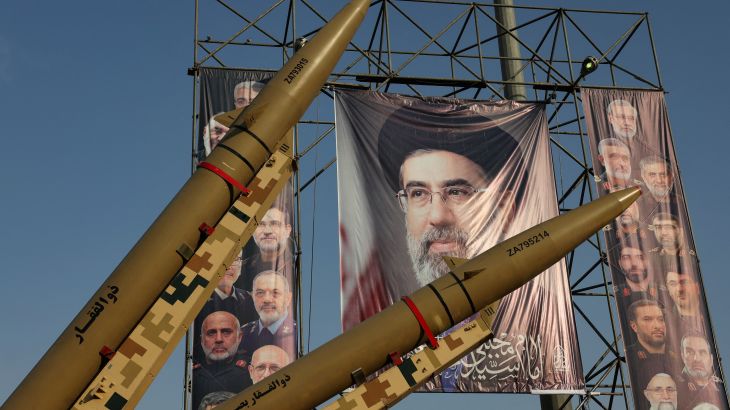
Iran Asserts Readiness for War Amid Rising Tensions in Hormuz
Israeli Prime Minister Netanyahu Makes Unannounced Visit to UAE

World Leaders Gather for Climate Summit, Pledges Made