Iran Asserts Readiness for War Amid Rising Tensions in Hormuz


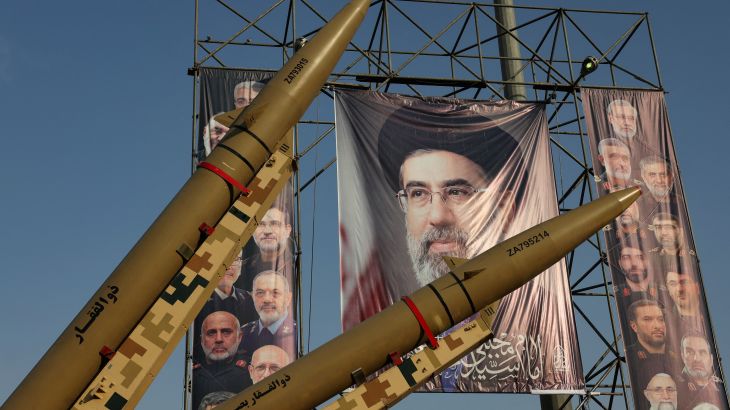
Iran's Foreign Minister Abbas Araghchi has made statements indicating that the country is fully prepared for war following the rejection of a seven-day peace roadmap by the United States. This warning escalates tensions as the conflict in the region continues to evolve. According to Araghchi, Iran is determined to take a stand against any acts of aggression, even at the cost of potential catastrophic consequences.
Recent developments have also noted military activity in southern Lebanon, where footage shows smoke rising from areas believed to be affected by Israeli air strikes. Local sources reported these strikes taking place between the towns of Tibnin and Haris in the Bint Jbeil district, although further details on damage or casualties remain unclear. Israel maintains a military presence in southern Lebanon, occupying approximately six percent of its territory despite calls for withdrawal following a US-brokered ceasefire.
In addition, Iran is reportedly pivoting its trade strategies from maritime routes to land borders due to increased restrictions at its southern ports. This shift has caused significant delays at border crossings, particularly at the main crossing with Turkey, where truck queues are reported to be lengthy, resulting in wait times of several days.
In another significant context, Ramin Kashef-Azar, CEO of Imam Khomeini International Airport in Tehran, confirmed that the airport has remained operational despite US sanctions on Iran's aviation sector. He reported that operations continue for over thirty international destinations, with flights persisting even on September 23, the day sanctions took effect. Despite these sanctions, Iranian airlines are still managing routes to countries such as China and Russia.
Tensions are also reflected within the Israeli political landscape, where far-right National Security Minister Itamar Ben-Gvir has posted a controversial video making threats against a Palestinian prisoner. The video has drawn widespread condemnation, highlighting the increasingly hostile rhetoric surrounding the ongoing conflict.
In the United Kingdom, Foreign Secretary Ed Miliband faced protests from activists advocating for a lift on the ban of the Palestine Action campaign group during a recent visit to Liverpool. The campaign group was banned last year for targeting Israeli-linked defence companies in the UK. Following confrontation, multiple arrests were made at the protest.
Meanwhile, the Israeli military has imposed a temporary closure in the occupied West Bank in observance of the Jewish holiday of Sukkot. Concurrently, an opposition coalition is forming among Israeli leaders aimed at unseating Prime Minister Benjamin Netanyahu.
On an economic note, oil exports from major Middle Eastern producers have surged, reaching 12.8 million barrels per day in September, boosted by increased shipments from Saudi Arabia and the United Arab Emirates. This rebound follows previous reductions related to the conflict, with exports through the Strait of Hormuz projected to hit around 7.4 million barrels per day.
As the situation unfolds, it remains critical to monitor developments regarding diplomatic efforts and military actions in the region, particularly concerning the US-Iran relationship and regional stability.

World Leaders Gather for Climate Summit, Pledges Made

Trump Administration Proposes Changes to H-1B Visa System
Two Mass Shootings in South Africa Result in 27 Fatalities

Nirmala Sitharaman to Attend AIIB Meeting in Qatar for Infrastructure Talks