US Government Repays $100 Billion in Tariff Refunds to Businesses


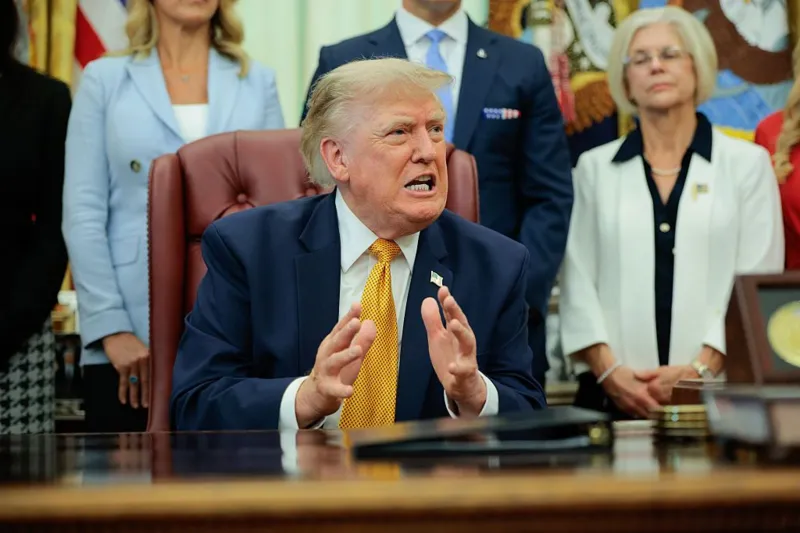
The administration of US President Donald Trump has refunded $100 billion (£78 billion) to businesses, representing approximately 60% of the total tariff revenue collected under the controversial policy. This information comes from a recent filing by US Customs and Border Protection.
However, a considerable portion of the refunds remains outstanding. Nearly $29 billion in potential refunds is currently under review by trade authorities, and an additional $1.6 billion is pending due to importers not having provided their banking information.
These repayments are a direct result of a landmark Supreme Court ruling in February, which determined that the extensive import tariffs imposed were unlawful. The White House had previously defended its position by referencing the International Emergency Economic Powers Act of 1977, granting the President authority to regulate trade in a state of emergency. Nevertheless, the tariffs provoked significant backlash both domestically and internationally, with businesses facing steep increases in import costs and concerns over rising consumer prices.
Tariffs, defined as taxes applied to foreign products entering a country, are ultimately borne by domestic businesses and importers, rather than foreign governments or exporters. Consequently, heightened tariffs increase operational expenses for companies, which often translates to elevated prices for consumers at retail.
Since the Supreme Court’s ruling, several major US corporations have successfully claimed substantial refunds. For instance, Amazon reported receiving approximately $600 million in these refunds during the second quarter, as noted by finance chief Brian Olsavsky. He indicated that a portion of these funds would be returned to customers when applicable tariffs were charged, while the remainder would be allocated to reducing prices in Amazon’s stores.
According to US customs regulations, only those importers who directly remitted tariffs are eligible for refunds, limiting any potential relief for consumers to the discretion of individual businesses. The total amount of tariffs paid back is expected to increase as the US Customs continues its review of outstanding claims and businesses complete their banking submissions.
Following the February court decision, President Trump introduced a temporary 10% universal tariff, which recently expired, giving way to new tariffs targeting 60 trading partners on the grounds of inadequate action against forced labour in supply chains. This new round of tariffs was instituted shortly after a 50% tariff was applied to Canada, marking ongoing tensions in international trade agreements. As of now, neither the United States nor Oman have issued statements regarding discussions on agreements related to major waterways.
This comprehensive overview highlights the complexities and ongoing developments surrounding US tariff policies and their significant impact on businesses and consumers alike.
Concerns Rise Over Delhi Voter Registration Discrepancies
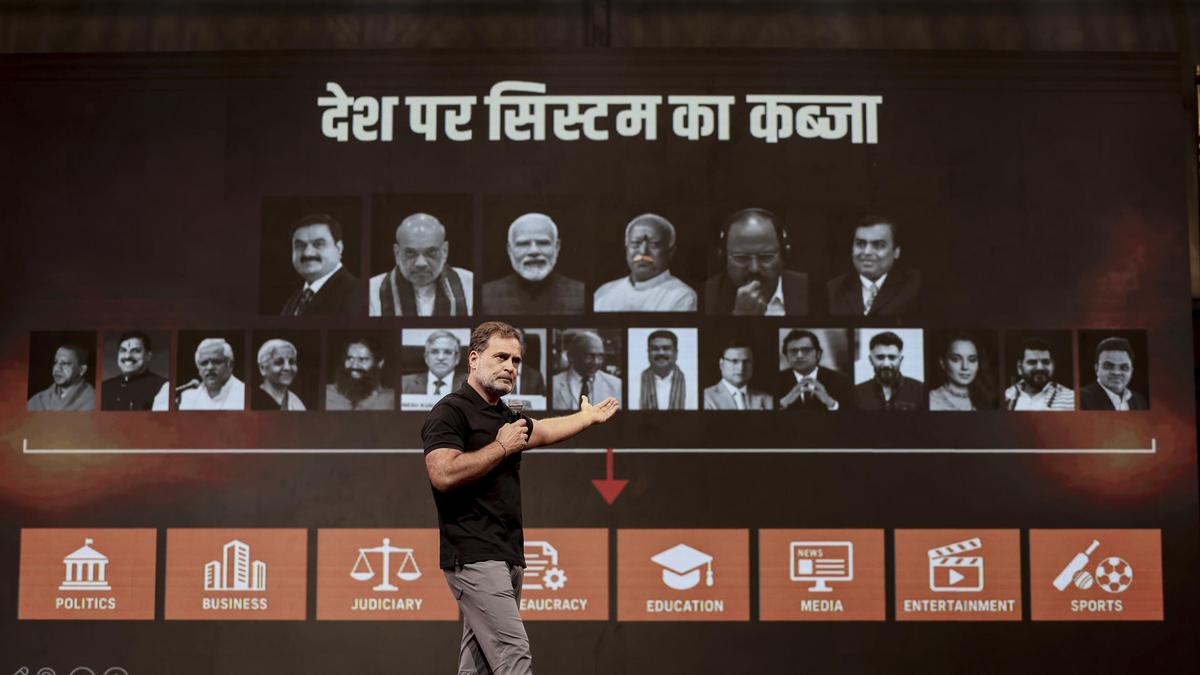
Controversy Erupts Over Rahul Gandhi's PM Modi Mimicry at Event

Father of IIT Bombay Student Calls for Action Against Discrimination

India and Japan Conduct Joint Air Exercise 'Veer Guardian-2026'