US Designates Afghanistan as State Sponsor of Wrongful Detention


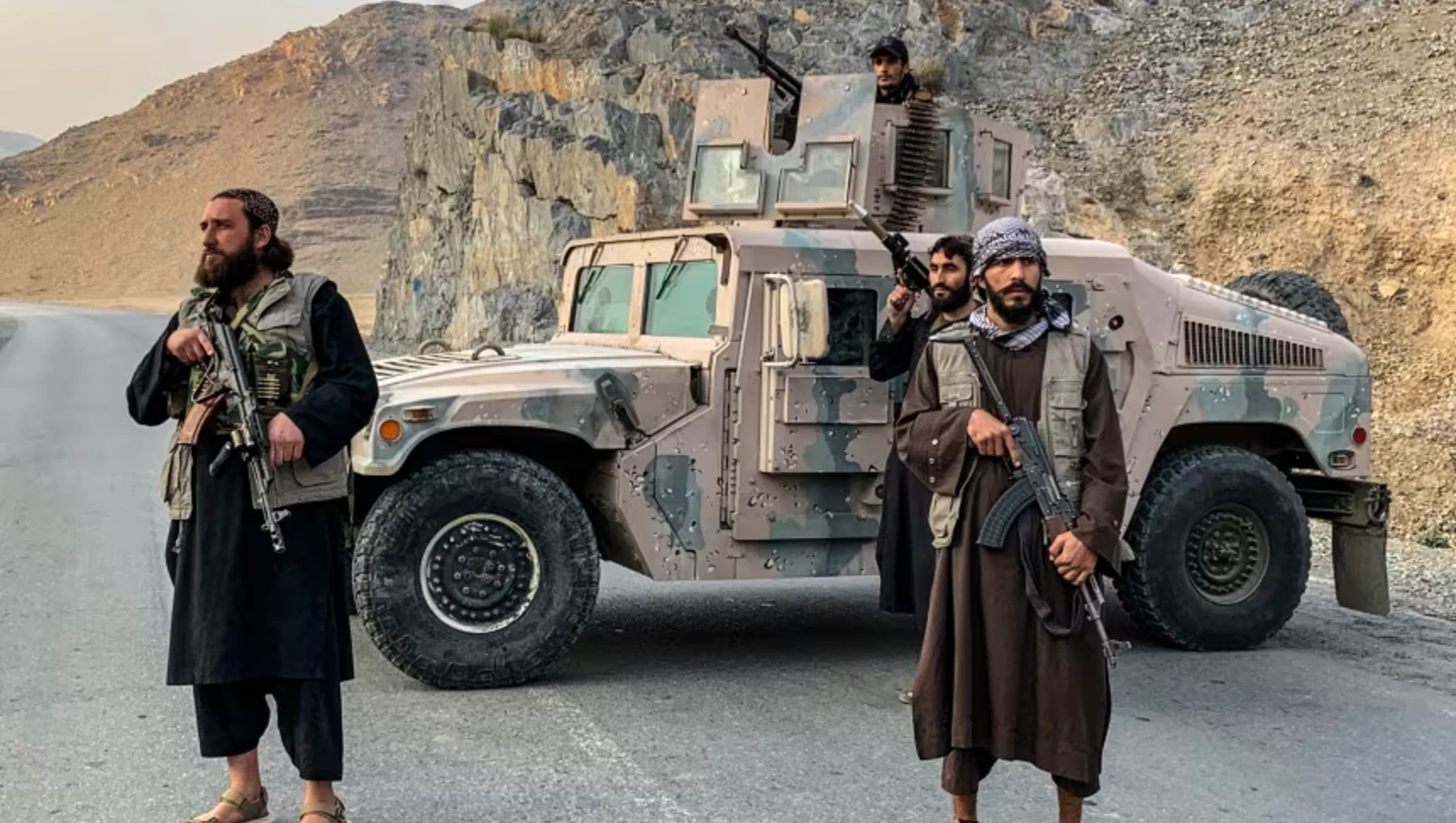
The United States has officially designated Afghanistan as a “state sponsor of wrongful detention,” accusing the Taliban authorities of detaining American citizens and using them as leverage in political negotiations.
US Secretary of State Marco Rubio announced the decision on Monday, calling on the Taliban to release detained Americans and end what Washington describes as “hostage diplomacy”.
The move makes Afghanistan the second country placed on the new US blacklist created to penalise governments accused of unjustly detaining foreign nationals.
US accuses Taliban of wrongful detention
Announcing the designation, Secretary of State Rubio said the United States believed the Taliban had engaged in practices similar to hostage-taking.
“The Taliban continues to use terrorist tactics, kidnapping individuals for ransom or to seek policy concessions,” Rubio said in a statement.
He added that such actions represented a serious threat to American citizens and other foreign nationals.
Rubio also warned that Afghanistan remained unsafe for US citizens to visit because of the risk of detention by Taliban authorities.
“It is not safe for Americans to travel to Afghanistan because the Taliban continues to unjustly detain our fellow Americans and other foreign nationals,” he said.
The secretary of state urged the Taliban to release several Americans believed to be held in Afghanistan.
“The Taliban needs to release Dennis Coyle, Mahmoud Habibi, and all Americans unjustly detained in Afghanistan now and commit to cease the practice of hostage diplomacy forever,” Rubio said.
Americans believed to be detained
Among the Americans referenced by US officials is Mahmoud Habibi, an Afghan-American businessman who previously served as Afghanistan’s civil aviation chief.
According to US authorities, Habibi was detained in Kabul in August 2022 along with employees of a telecommunications company.
The Taliban has not publicly acknowledged holding him.
The United States State Department has offered a reward of up to five million dollars for information that leads to his location and safe return.
Another detainee named by US officials is Dennis Coyle, an academic from the US state of Colorado who worked in Afghanistan for nearly two decades.
Coyle was detained in January 2025, according to advocacy organisations supporting families of Americans held overseas.
His relatives say he has not been formally charged with any crime and has been held in solitary confinement.
Rubio met with members of Coyle’s family on Monday, according to statements released by relatives.
His sister, Molly Long, welcomed the new designation, saying it demonstrated the administration’s determination to secure his release.
Family members of Habibi also said they had received assurances from US officials that efforts to locate and return him would continue.
Background to the US policy
The designation of Afghanistan follows the creation of a new US policy mechanism designed to penalise governments accused of detaining Americans without legal justification.
United States President Donald Trump signed an executive order in September establishing the “state sponsor of wrongful detention” category.
The measure is intended to discourage foreign governments from detaining Americans for political leverage or negotiating advantage.
Iran became the first country to be listed under the new designation shortly before the United States launched military operations against Iranian targets.
US officials say the classification is similar in concept to other American sanctions designations used against governments accused of terrorism or human rights abuses.
Possible consequences of the designation
The new designation allows the United States government to impose additional measures, including potential travel restrictions and diplomatic pressure.
Officials have indicated that the move could lead to limits on travel involving US passports to Afghanistan.
A similar travel restriction is already in place for North Korea, where US citizens generally cannot travel using a US passport unless they receive special government authorisation.
American authorities say the new designation also signals Washington’s willingness to use diplomatic and economic pressure to secure the release of detained citizens.
Context: Detentions and diplomatic tensions
Several Americans detained in Afghanistan in recent years have been released following negotiations between US officials and Taliban authorities.
Last year, several individuals held in Afghanistan were freed, including George Glezmann, Ryan Corbett, William McKenty and Amir Amiry.
However, US officials say additional Americans remain in detention, and Washington continues to seek their release through diplomatic channels.
Families of detained Americans, former hostages and advocacy organisations gathered at the US State Department on Monday to mark Hostage and Wrongful Detainee Day, an event aimed at raising awareness of Americans held overseas.
Analysts say the new designation underscores continuing tensions between the United States and Afghanistan’s Taliban authorities, particularly over issues involving human rights, diplomacy and the safety of foreign nationals.

India Regulates Natural Gas Supply as Middle East Conflict Disrupts Energy Routes

India Eases FDI Rules for China and Bordering Countries

Iran War May End Soon, Says US President Donald Trump

Rising Oil Prices Alarm Trump Administration Amid Iran War