US and China Leaders Discuss AI Rivalry Amid Global Concerns


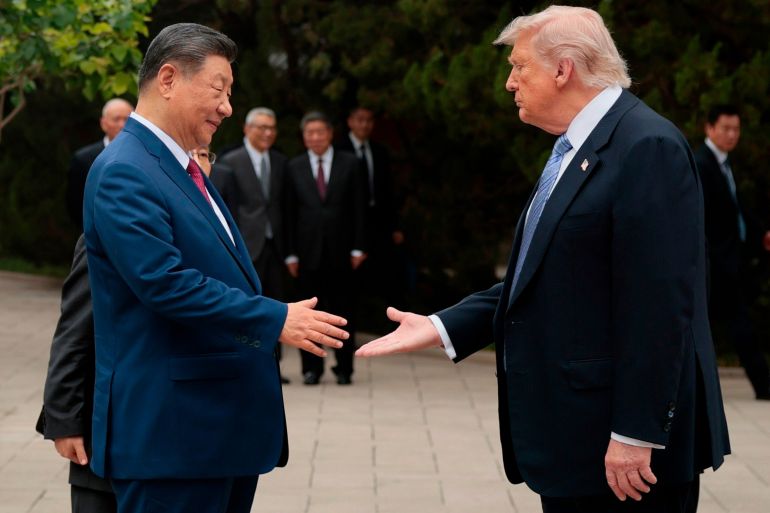
US President Donald Trump and Chinese President Xi Jinping are preparing for discussions that will centre on artificial intelligence (AI), which has become a vital area of competition between the two nations. The summit is significant, given that both countries are at the forefront of AI development. Trump has emphasised that whoever wins the AI race will secure a position of global dominance. "Whoever wins AI, WINS!" he stated, asserting that maintaining US superiority in this field is of utmost importance.
Experts indicate that China shares similar ambitions, viewing AI as a means to enhance its global power. Rebecca Arcesati from the Mercator Institute for China Studies remarked, "China very much sees it as a race, they very much think China should be the leading force in AI - they see AI as a power maximiser." China has made AI a cornerstone of its technological growth for over a decade.
The meeting on Thursday is poised to address the two nations' competitive drive in AI. Both countries have notable strengths; while US firms like Anthropic, Google, and OpenAI lead in producing high-performance systems, Chinese companies are rapidly closing the gap through innovative approaches.
Recent data from Stanford University showed that a model from China's DeepSeek matched leading US models in February 2025, with Anthropic's top AI model ahead by only a small margin as of March 2026. Researchers attribute part of the US advantage to substantial investments in AI companies, as the US economy is significantly bolstered by the sector's growth.
Conversely, China's progress faces obstacles created by US restrictions on semiconductor sales, which hinder the development of advanced AI systems. Nevertheless, Chinese companies are increasingly releasing open weight models, allowing broader access and adaptability, contrasting with the proprietary systems typical in the US.
Analysts note that the Chinese strategy focuses on integrating AI technology across various sectors rather than solely on frontier models. According to Lizzi Lee from the Asia Society Policy Institute, "AI isn't the moon landing. The US may lead at the frontier, while China could still gain enormous economic and geopolitical leverage by making capable AI cheap, open and ubiquitous."
China's vast resources in energy supply further bolster its AI capabilities. Commentators such as Rebecca Arcesati pointed out that Chinese AI companies benefit from lower electricity costs, enhancing their operational efficiency.
In terms of robotics, China is the leading manufacturer, with a substantial volume of robots deployed across its manufacturing sector. Reports suggest that China accounts for over 90% of global humanoid robot shipments. Despite challenges from the US, Chinese AI developers continue to exhibit remarkable resilience and innovation, even in the face of chip shortages.
However, differing perspectives on AI risks complicate the potential for US-China cooperation. Trump has expressed skepticism regarding existential risks linked to AI, labelling them as exaggerated, while Chinese officials focus primarily on cybersecurity issues and the implications for political stability. Recent remarks by Trump indicate he believes existing regulations are sufficient and that US leadership in AI is secure.
In contrast, Trump posited that AI's potential could bring about transformative change, highlighting the need to support its growth without excessive regulatory constraints. Meanwhile, Chinese officials like Minister of State Security Chen Yixin have raised concerns over the use of AI by hostile entities to undermine political stability.
Despite some analysts suggesting that both countries explore collaborative frameworks to manage AI development, there is skepticism about their willingness to engage meaningfully due to entrenched mistrust. Some experts have called for an international moratorium on AI advancements until a more comprehensive safety protocol is established.
Coordination and clear frameworks are essential to mitigate the risks associated with AI development. Yet differing priorities between US and Chinese officials pose significant barriers to achieving this goal. As discussions continue, the decisions made by both presidents may have far-reaching consequences for the future of AI and its regulation on a global scale.
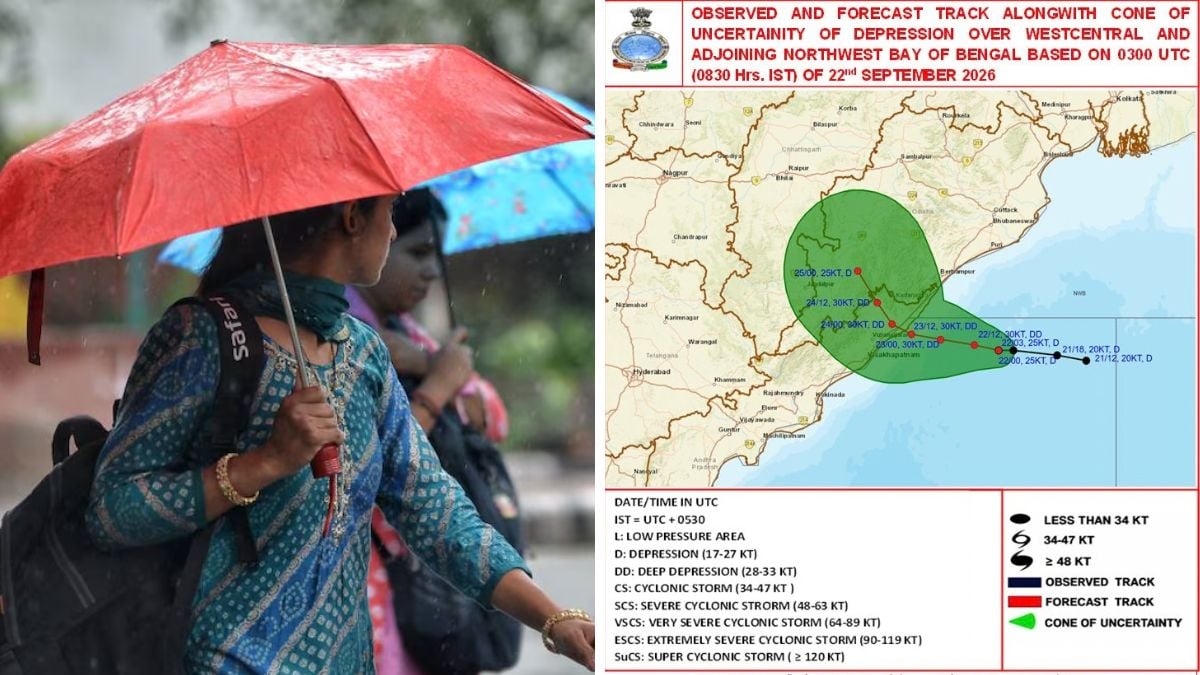
Cyclone Arnab Approaches; Alerts Issued Across Multiple States
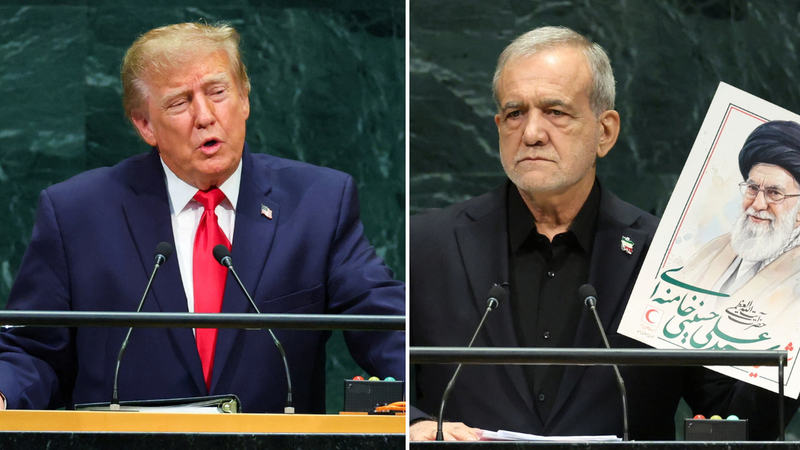
Iran Issues Deadline to US Amid Rising Tensions Over Strait of Hormuz

Brad Pitt Stars in Emotional Survival Drama 'Heart of the Beast'

Tensions Escalate as Pakistan Strikes Afghan Targets After Attacks