US Authorities Increase Scrutiny on H-1B Visa Classifications


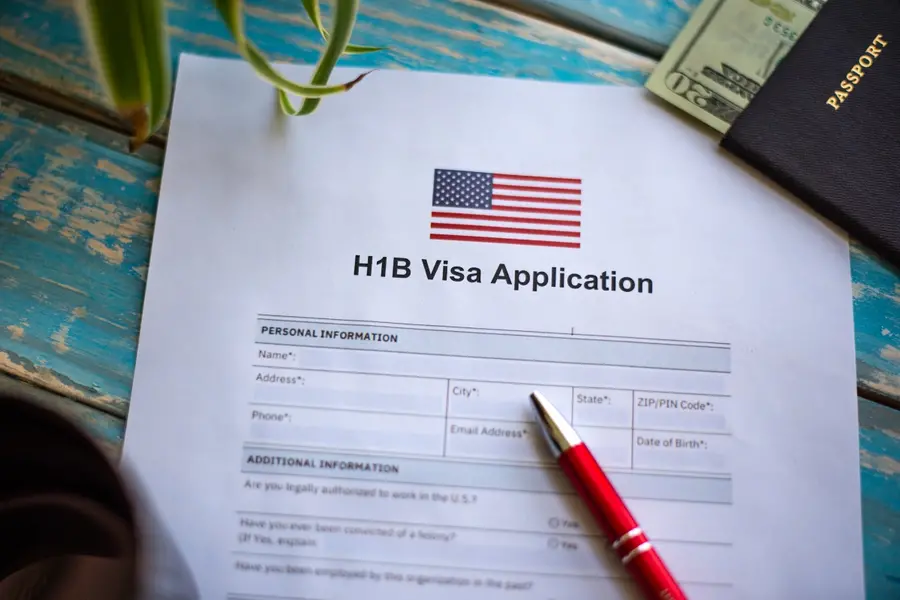
The US Citizenship and Immigration Services (USCIS) has announced plans to intensify scrutiny of H-1B visa petitions after discovering instances in Nebraska where foreign workers were incorrectly classified. In recent site visits, USCIS officials found that employees designated as computer programmers were actually engaged in higher-paying engineering roles. This misclassification allowed employers to pay wages lower than those mandated for the actual work performed, leading to allegations of unfair competition against American workers.
USCIS underscored the importance of precise job classifications in H-1B applications, as this directly impacts wage obligations associated with different roles. The findings, part of a broader effort to enforce compliance with wage requirements, stem from routine checks carried out by immigration officials in collaboration with other federal agencies. The agency refrained from naming the employer involved or revealing the exact number of petitions affected.
In alignment with this development, previous enforcement actions have focused on major IT consulting firms, where similar discrepancies in wage classifications have been identified. This effort has heightened attention on how employers report the scope and duties of H-1B workers. The H-1B visa programme permits US employers to hire foreign professionals in specialty occupations that require specialised knowledge, with technology and engineering sectors being significant beneficiaries.
Should an H-1B petition be denied or revoked, the implications for affected workers can be severe, jeopardising their immigration status and employment. The USCIS has not disclosed specific details regarding the individual workers impacted by the recent scrutiny or the total number of petitions involved.
This heightened vigilance comes during a broader campaign led by the Trump administration to revisit employment-based immigration practices, arguing that the H-1B programme risks being abused to the detriment of local labour markets. While some industry stakeholders voice concerns about the implications for foreign workers, including Indian nationals who represent a substantial proportion of H-1B beneficiaries, the USCIS maintains that accurate job classification is necessary to safeguard American wage standards.
Experts disagree on the broader economic effects of foreign workers in the US tech sector. While some studies suggest H-1B workers supplement the local workforce, others indicate potential risks for domestic employees, particularly in technology fields where competition for jobs and wage pressure may be more pronounced. Hence, the USCIS's recent approach could have far-reaching consequences for both H-1B employees and the American labour market, as they monitor the alignment between job descriptions and wage classifications rigorously.
In conclusion, USCIS's strict enforcement of wage classifications in H-1B petitions signals a significant shift in policy, aimed squarely at protecting local employment standards against potential exploitation in the H-1B programme.

Kerala Initiates Probe into 2006 Suicide Case Involving CEC

Extradition of Sheikh Hasina Feasible, Says Indian High Commissioner

Punjabi Makeup Artist Mad Sandhu Shot Dead in Amritsar

India Achieves Fourth Place at Asian Games 2026 Through Late Success