US Threatens Military Action Against Iran's Pickaxe Mountain Site


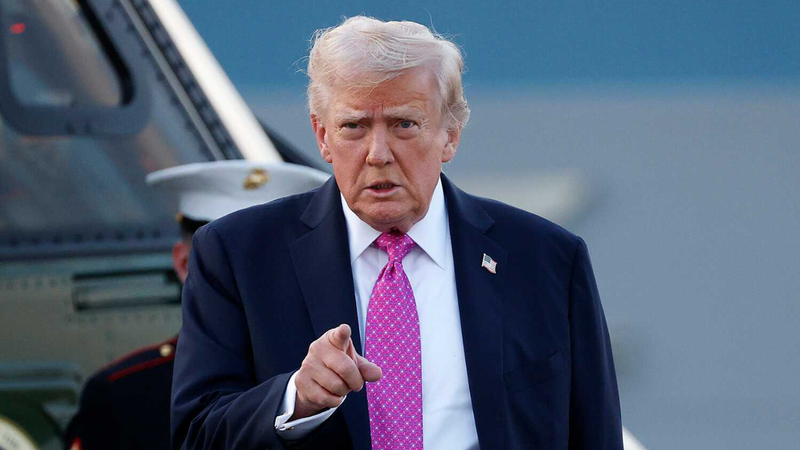
Tensions are escalating in the Middle East as US President Donald Trump has issued fresh threats to target Iran’s Pickaxe Mountain, a site suspected of housing nuclear facilities. On a recent occasion, Trump remarked that the US may strike the site 'very soon'. Previously, he had threatened military action back in July during an interview, indicating that the US is prepared to act militarily against Iran.
Iran's air defence commander, Brigadier-General Alireza Elhami, has indicated that the perceived threat is ongoing. He reassured that Iran is 'ready for any kind of confrontation', highlighting the uncertainty that looms over the region. This rhetoric significantly contributes to the prevailing sense of unease among the public in Israel, where a recent poll by the newspaper Maariv illustrated that over fifty-five percent of Israelis fear the prospect of another direct war with Iran in the near future.
The survey revealed a divided public opinion; forty percent of respondents believe there was internal treachery leading to security breaches during recent conflicts, while forty-four percent dismissed such conspiracy theories. This environment of anxiety is expected to have implications for the upcoming elections in October 2026, as current Prime Minister Benjamin Netanyahu faces challenges from opposition figures such as former military chief Gadi Eisenkot and former Prime Minister Naftali Bennett.
Recent activities in the Israeli-occupied West Bank have also intensified tensions. Reports indicate that Israeli settlers have perpetrated new attacks on Palestinian villages, while the Israeli military has enforced restrictions on access routes near Jerusalem. Armed confrontations have resulted in numerous injuries among Palestinians, raising concerns over the escalating violence.
Furthermore, maritime activity in the Gulf of Oman has been scrutinised, with TankerTrackers reporting at least seventeen ship-to-ship transfers of crude oil and gas in a single day, as Western nations monitor Iran’s manoeuvrability in the region. The Strait of Hormuz, a crucial passage for global oil supplies, remains effectively under Iran's control, further complicating the situation.
The US has also maintained a naval blockade against Iranian ports, attempting to restrict the activities of Tehran in the region. In addition, government officials revealed that investigations have been launched into leaks of sensitive military information regarding the conflict with Iran, with many members of the US military’s Joint Staff undergoing polygraph tests as part of this enquiry. Pentagon officials affirmed the seriousness of addressing leaks of classified information.
As this situation develops, observers are keenly watching both military movements and diplomatic communications to ascertain the potential for wider conflict in the Middle East. The interactions between the US, Iran, and regional powers like Turkey will likely play a pivotal role in shaping future engagements.
Kerala Initiates Probe into 2006 Suicide Case Involving CEC

Extradition of Sheikh Hasina Feasible, Says Indian High Commissioner

Punjabi Makeup Artist Mad Sandhu Shot Dead in Amritsar

India Achieves Fourth Place at Asian Games 2026 Through Late Success