US Approves Nuclear Deal Allowing Saudi Arabia to Enrich Uranium


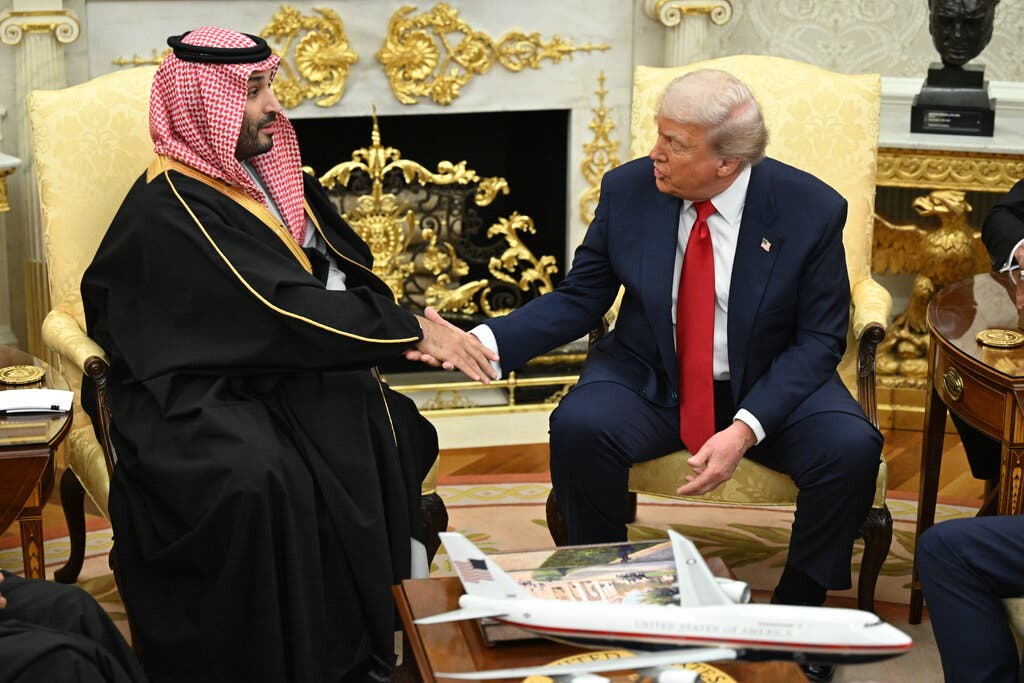
The administration of United States President Donald Trump has reportedly approved an agreement with Saudi Arabia that would enable the kingdom to establish its own civilian nuclear programme, including the capacity to enrich uranium. This decision represents a major alteration in longstanding US non-proliferation policies, according to multiple media reports.
As detailed by sources including The Wall Street Journal and The New York Times, the Trump administration plans to seek Congressional approval for the agreement, which could facilitate US companies, such as Westinghouse Electric Company, in assisting with the development of Saudi Arabia's nuclear energy infrastructure.
The timing of this agreement has incited controversy, particularly as the United States aims to prevent Iran from obtaining nuclear weapon capabilities as part of its military strategy. Critics have raised concerns that permitting Saudi Arabia to enrich uranium—even for civilian purposes—might undermine this strategic objective. Observers worry that an increase in nuclear enrichment could provide opportunities for misuse, despite assurances of peaceful intentions.
Saudi Arabia has been keen on establishing a civilian nuclear programme for some time, intending to diversify its economy away from oil dependence. Negotiations surrounding US cooperation in this area have spanned several administrations. Under former President Joe Biden, discussions were linked to conditions regarding Saudi recognition of Israel, a process that faltered in light of regional tensions. In contrast, the current administration has reportedly lifted these requirements.
During a visit to the United States by Saudi Crown Prince Mohammed bin Salman, a preliminary framework was laid out for a civilian nuclear cooperation initiative, suggesting long-term goals aligned with non-proliferation standards.
According to reports, the projected agreement is set to last for three decades. One key aspect would permit Saudi Arabia to pursue domestic uranium enrichment following a joint study with the United States. While enriching uranium is commonly utilised for generating nuclear power, the same technology could, under certain conditions, produce weapons-grade material.
Saudi Arabia has previously indicated a willingness to develop nuclear weapons capabilities if Iran were to acquire similar capabilities, despite Iran maintaining that its nuclear programme is solely for peaceful purposes.
The proposed agreement has been said to fall short of stringent standards adhered to by some of America’s other partners. For example, in 2009, the United Arab Emirates signed a “123 Agreement” with the US, which included a commitment not to enrich uranium or reprocess spent nuclear fuel. By contrast, the Saudi agreement appears to permit enrichment without mandating adherence to the Additional Protocol of the International Atomic Energy Agency (IAEA)—which grants greater inspection powers to confirm non-diversion of nuclear materials for military use.
Geopolitical analyst Michael Horowitz remarked on the importance of the arrangement, stating, “The US reportedly agreed to a deal that falls both below the gold standard and doesn’t include the Additional Protocol – both of which are made to ensure a civilian programme doesn’t turn into a military one.”
Proponents of the agreement contend that it would bolster US influence within the Gulf region. Earlier this year, the Trump administration submitted a report to Congress asserting that increasing civilian nuclear collaboration would help sustain US leadership in the global nuclear sector and prevent rival powers from expanding their presence in Saudi Arabia.
Saudi Arabia's growing demand for electrical energy has been cited as a factor increasing the necessity for nuclear power, despite the kingdom's extensive oil reserves and favourable climate for solar energy.
Any formal nuclear cooperation arrangement must be presented to Congress, which retains the authority to review and potentially reject “123 agreements.” A supermajority in Congress would be required to obstruct the agreement and counteract any presidential veto.
The proposal is anticipated to encounter intense examination from lawmakers on both sides of the aisle, especially concerning provisions related to Saudi uranium enrichment practices. Some Congressional representatives and Israeli officials have expressed alarm that permitting enrichment could open the door to future nuclear armament capabilities for Saudi Arabia, even if the initial purpose is deemed civilian.
Andrea Stricker, deputy director of the Foundation for Defense of Democracies' Nonproliferation Programme, has urged Congress to block the agreement. Stricker stated, “If it does not, one hopes the policy will be reversed by a subsequent administration before too much damage is done in terms of watering down safeguards, setting negative precedents for other states, and failing to contain the spread of enrichment.”
Kerala Initiates Probe into 2006 Suicide Case Involving CEC

Extradition of Sheikh Hasina Feasible, Says Indian High Commissioner

Punjabi Makeup Artist Mad Sandhu Shot Dead in Amritsar

India Achieves Fourth Place at Asian Games 2026 Through Late Success