United Russia Party Secures Supermajority Despite Ukraine Conflict


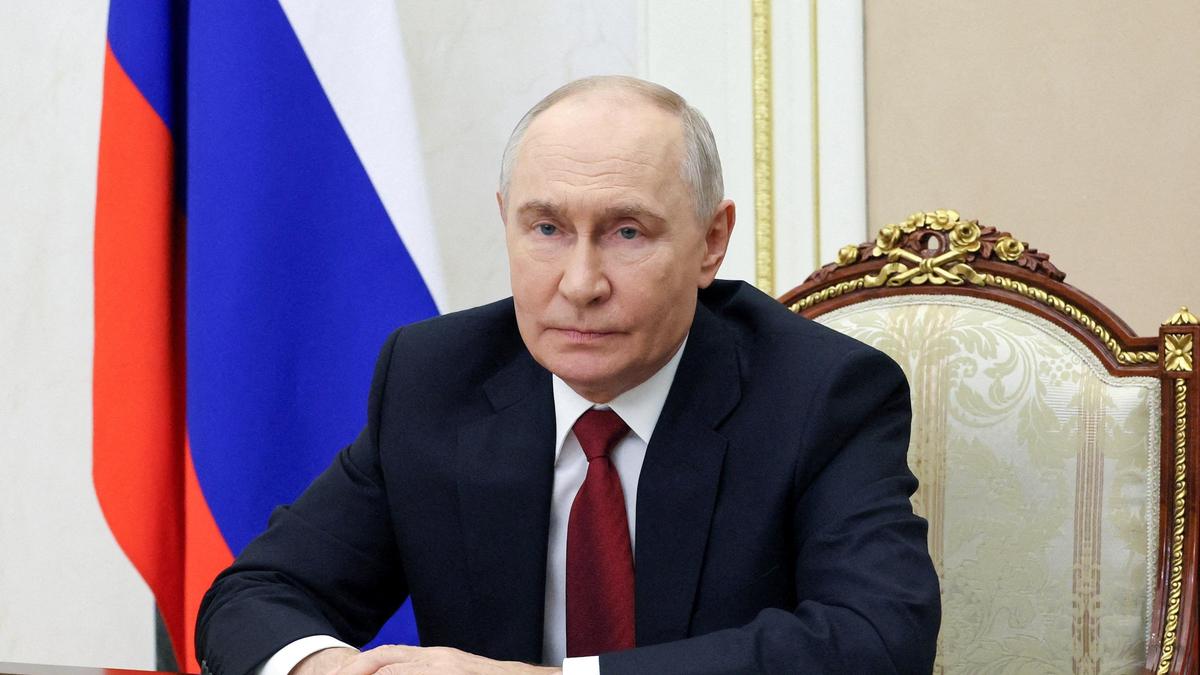
The United Russia party, led by President Vladimir Putin, has achieved a significant electoral victory, securing over 58 percent of the vote in parliamentary elections held over three days. This result positions the party to attain more than three-quarters of the seats in the State Duma, Russia's lower house of parliament. These elections mark the first parliamentary vote since Russia's military invasion of Ukraine in February 2022 and are notable for including voters from four Ukrainian regions that Moscow annexed shortly after the invasion.
The Central Electoral Commission reported nearly 60 percent voter turnout, which officials in Moscow may interpret as a show of support for the ongoing conflict in Ukraine. Dmitry Medvedenko, a correspondent for Al Jazeera, noted that this election outcome could strengthen public backing for the government's military actions.
Yabloko, the only officially registered anti-war party, faced significant challenges. Its candidates were largely excluded from national representation after the Supreme Court removed them from the ballot. However, the party did manage to secure a presence in the regional parliament of Novgorod, garnering just over six percent of votes.
In the broader election landscape, the Communist Party obtained 13.8 percent of the vote, resulting in 40 Duma seats. Other notable parties include the nationalist Liberal Democratic Party of Russia (LDPR), which won 25 seats, and the New People party, which secured 20 seats.
The Russian government did not invite observers from the Organization for Security and Cooperation in Europe (OSCE), leading to criticism from various international entities. OSCE Parliamentary Assembly President Pere Joan Pons highlighted that excluding observers contradicts Russia’s obligations as a member.
Public reaction to the election results was largely muted, with many Russians anticipating the outcome. One resident from Moscow, Tatyana, expressed her weariness of the ongoing conflict in Ukraine, wishing for a resolution through peaceful means.
Analysts express concern that the continuation of the war will adversely impact living conditions for everyday Russians and suggest that the newly secured parliamentary majority may not alter existing challenges. Tatyana Stanovaya of the Carnegie Russia Eurasia Center remarked that while Putin might view these results as support for the conflict, there is a growing call among the populace for an end to hostilities.
The EU’s chief diplomat, Kaja Kallas, described the elections as a facade, accusing the Kremlin of suppressing dissent and excluding the only party that actively opposed the war. A joint statement from several nations, including Australia, the United Kingdom, and Canada, labelled the elections a sham, aligning them with a broader strategy of occupation in Ukraine.
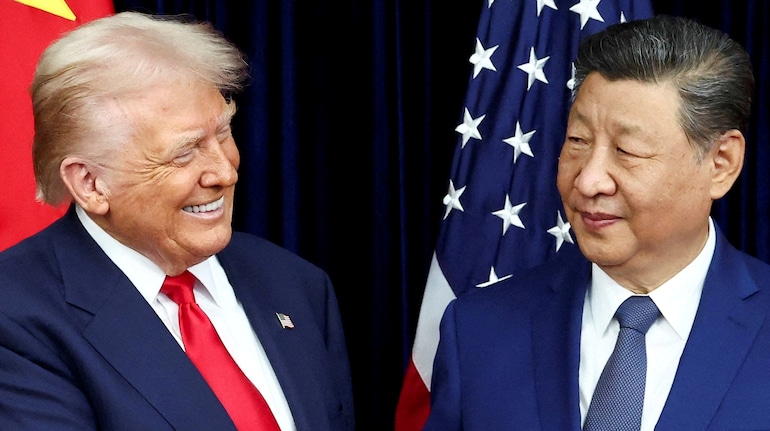
Xi Jinping's US Visit Planned Amid Economic Tensions with Trump
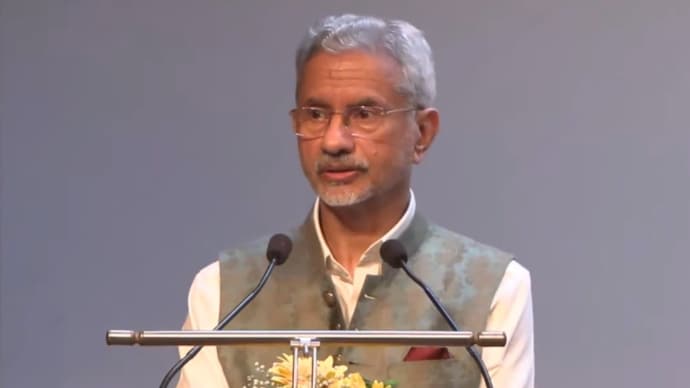
India's External Affairs Minister to Address UNGA Amid US Tariff Changes
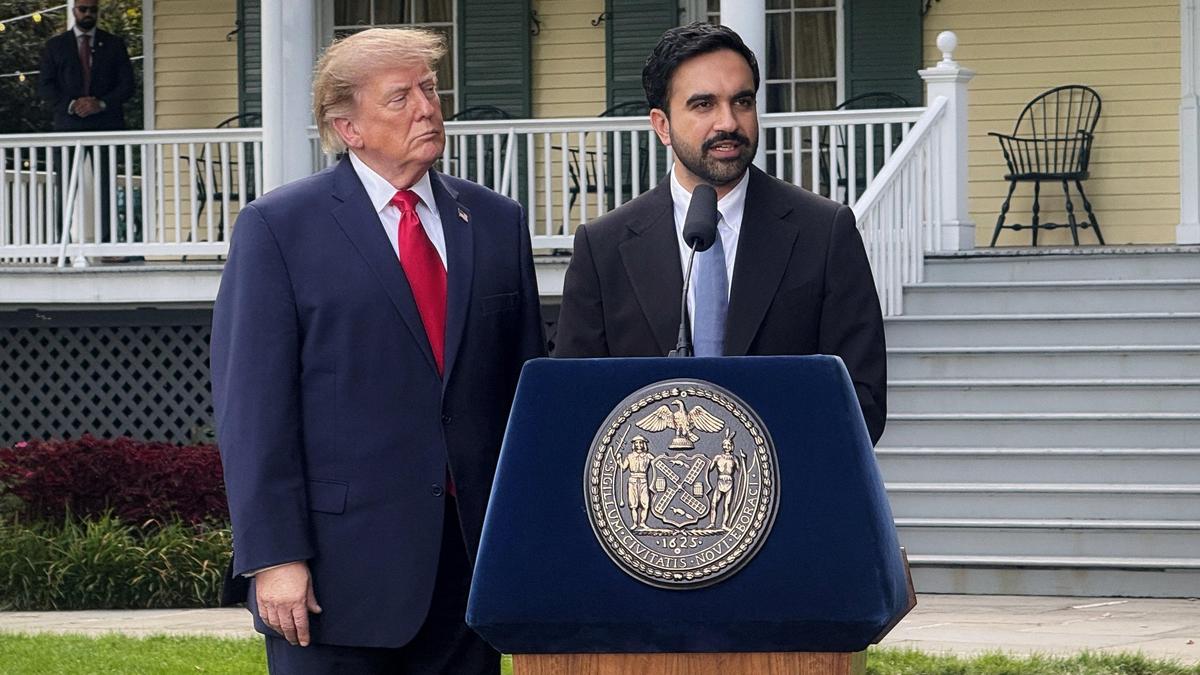
Trump Meets New York’s Democratic Socialist Mayor Zohran Mamdani
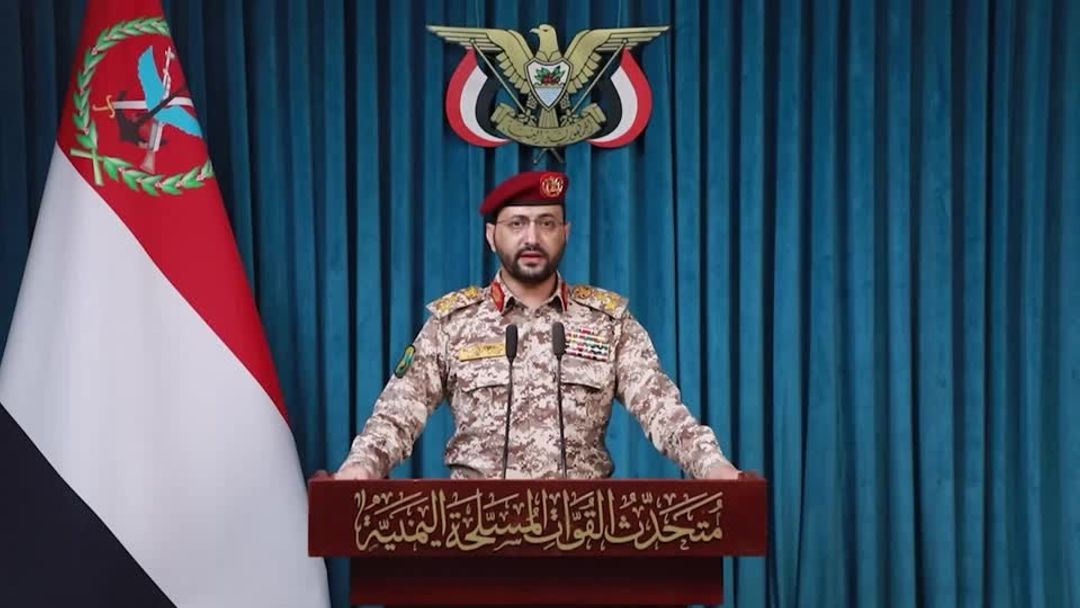
Houthis Target Strategic Areas in Yemen Amid US Airstrike Cancellation