India's UPI ends free era with fee on large merchant payments


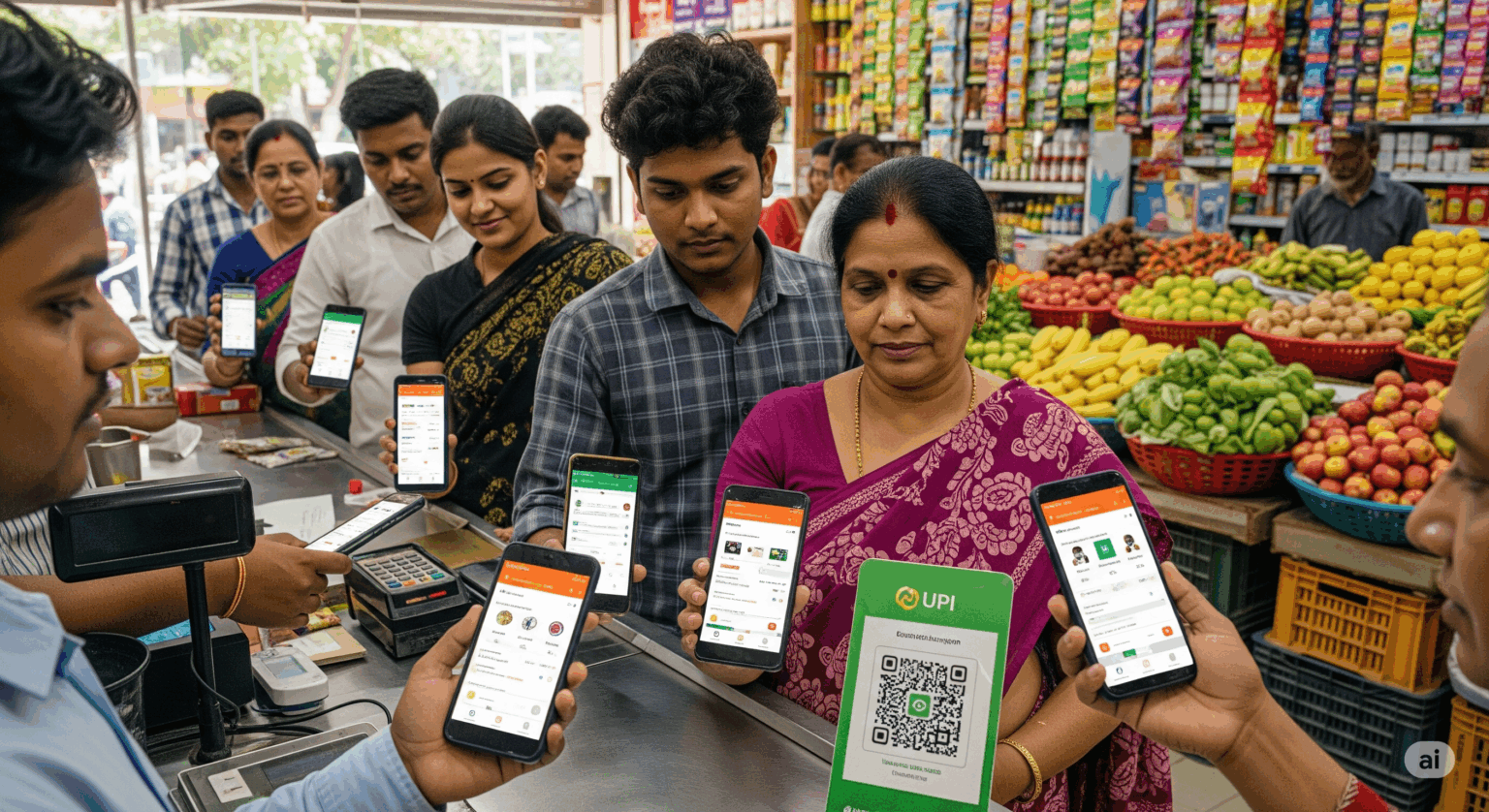
The Unified Payments Interface (UPI) in India has been a pivotal part of the country’s digital payment system but is set to undergo changes that will introduce transaction fees. Traditionally seen as free for consumers, the new direction raises concerns about transparency and accessibility.
Legislative changes are anticipating the introduction of a Merchant Discount Rate (MDR), which will place some costs on end-users for transactions. Previously, services associated with UPI were subsidised, often leading the public to perceive them as free. However, financial analysts suggest that the actual costs of running the UPI ecosystem were concealed, and these upcoming fees may shed light on those hidden expenses.
The National Payments Corporation of India (NPCI), which oversees UPI, is currently discussing the implementation of these fees. There is no daily cap proposed as of now, leading to questions about how this will affect regular users.
Experts warn that the new fee structure might limit the effectiveness and reach of digital payment solutions, especially in rural areas where financial literacy and infrastructure limitations may hinder adoption. The repercussions could be immense, particularly for smaller merchants who heavily rely on UPI to conduct business.
One pertinent question emerging is whether consumers can circumvent these fees by splitting larger transaction amounts into smaller payments. Current discussions suggest there may be opportunities to do so until official guidelines are fully established.
This evolving situation may lead to a significant shift in how consumers and businesses interact with digital payment platforms in India. With digital payments being a cornerstone of the country's economic growth, scrutiny over the introduction of costs could impact usage rates moving forward.
The NPCI continues to gather feedback from stakeholders in the ecosystem to create a balanced approach that serves both merchants and consumers effectively. As these conversations progress, it remains to be seen how the landscape of digital payments in India will adjust to these declared changes.
Trump Extends $100,000 H-1B Visa Fee Until September 2027
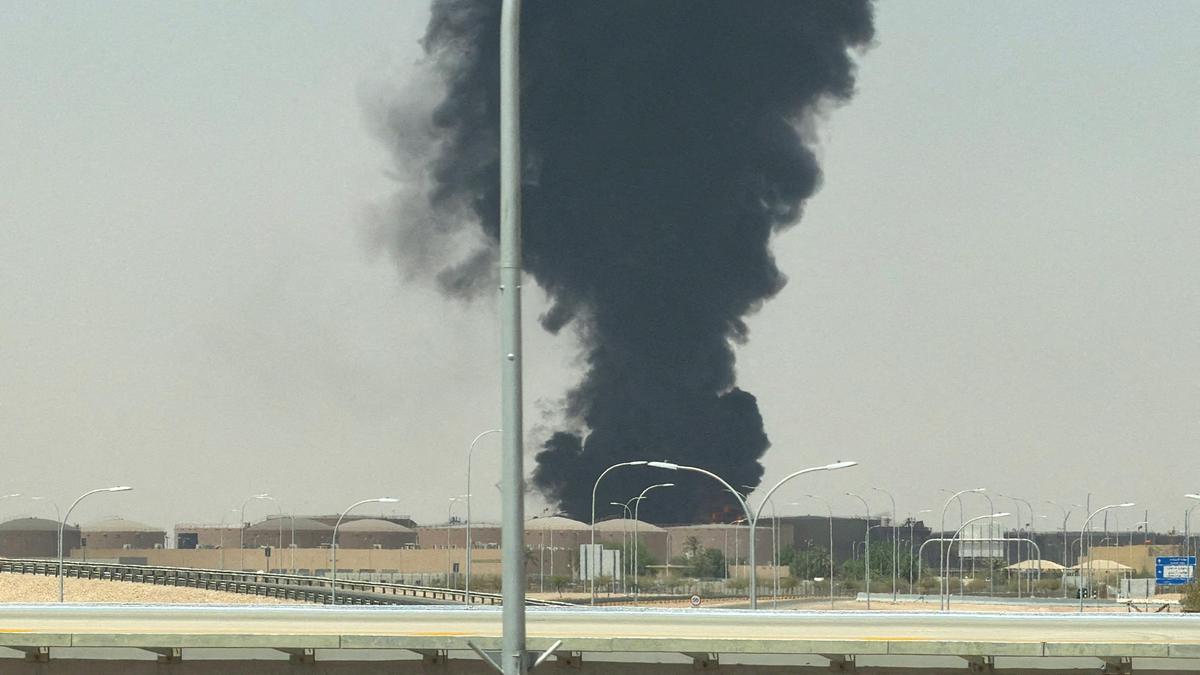
Houthi Attacks Target Saudi Capital and Energy Sites
Donald Trump Announces Creation of AI Force Amidst Rising Concerns
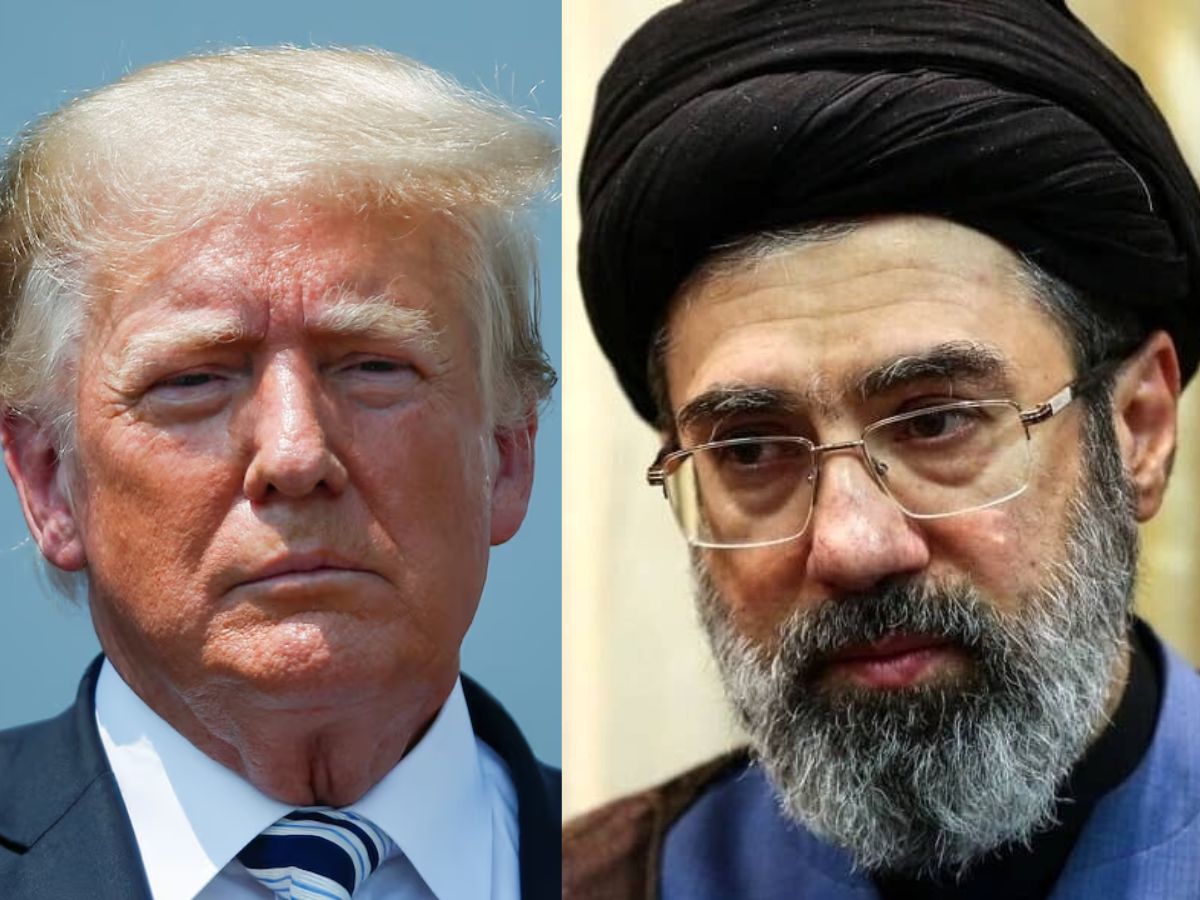
Iran Outlines Conditions for Diplomatic Talks with US