Understanding Spain's Enclaves in North Africa: Ceuta and Melilla


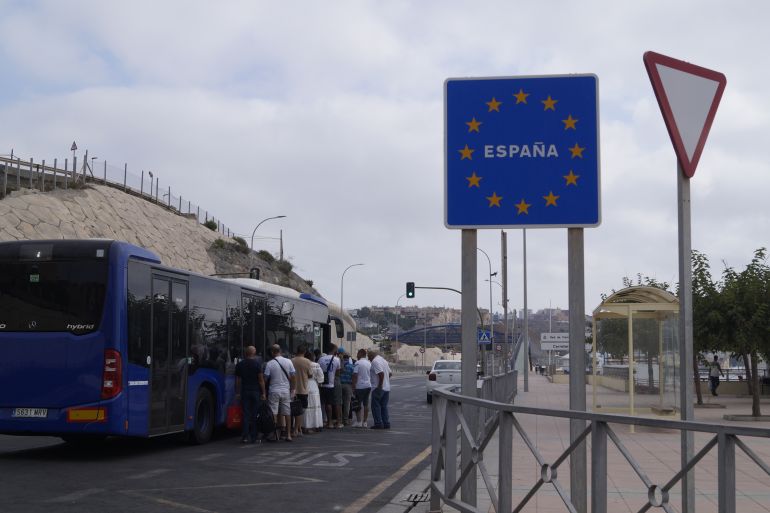
The Spanish enclaves of Ceuta and Melilla are situated on the northern coast of Africa, bordering Morocco. These unique territories are the only remnants of the Spanish colonial empire located on African soil. Ceuta and Melilla, along with several small islands known as Plazas de Soberanía, including the Chafarinas Islands and the Alhucemas Islands, epitomise a long-standing dispute with Morocco regarding sovereignty.
Spain asserts ownership of these enclaves; however, Morocco does not recognise this claim and has consistently sought their return since gaining independence from France in 1956. The territorial disagreement has led to escalating political tensions between Madrid and Rabat.
Recently, the situation intensified when over 50,000 migrants crossed into Ceuta from Morocco. Although the majority returned to Morocco, thousands remain in the enclave, exacerbating existing divisions among residents.
Historically, the origins of the enclaves date back several centuries. Ceuta was initially under Portuguese control before coming under Spanish dominance in 1580. Melilla was conquered by a Spanish noble in 1497 and has remained under Spanish rule ever since. Yolanda Aixelà Cabré, an anthropologist from the Institute of Mediterranean and the Near East (IMF-CSIC) in Barcelona, explains that Spain maintained these enclaves as a symbol of its imperial legacy, contrasting the country's past influence in Latin America.
Selim Balouati Lakhloufi, a historian specialising in North African history, notes that Ceuta and Melilla's existence pre-dates modern Morocco, indicating that the territories have been occupied for centuries. Despite Morocco's recognition of Spain's claim post-independence, the North African nation has consistently classified the enclaves, known as 'Sebtah' and 'Melilah' in Arabic, as part of its territory.
The geopolitical dynamics between Spain and Morocco are complicated. Experts like Samir Bennis, co-founder of Morocco World News, suggest that relations could have been less strained had Moroccan leaders sought resolution through international channels in the 1960s. However, the Moroccan government's decision to approach the issue gradually was influenced by the extensive scope of territorial disputes and Spain’s willingness to address these matters progressively.
Bennis further argues that while Morocco's claim lacks substantial legal grounding, it rests on historical and geographical arguments that question Spain's position. Jamie Trinidad, a fellow and director of studies in law at Wolfson College, Cambridge University, echoes this sentiment, asserting that Morocco's claims fall within the political realm rather than legal legitimacy.
In 1970, Morocco sought the United Nations' assistance to classify the enclaves as 'Non-Self-Governing Territories', but the UN declined to take action. Currently, Ceuta is home to approximately 84,000 residents, while Melilla has around 86,000. The populations of these enclaves consist of a mix of Christian, Muslim, Spanish, and Moroccan inhabitants who generally coexist peacefully.
However, recent influxes of migrants have heightened tensions. Following the migrant surge, hundreds of Ceuta residents protested against a planned far-right rally, which highlighted the growing divide within the community. Isabel, a local resident, remarked on the unity of diverse cultures in Ceuta but expressed concern about the latest developments, saying, 'We live peacefully together. But the numbers this time were scary.'
As negotiations and debates surrounding Ceuta and Melilla continue, the future of these enclaves remains uncertain, caught between historical claims and modern geopolitical realities.
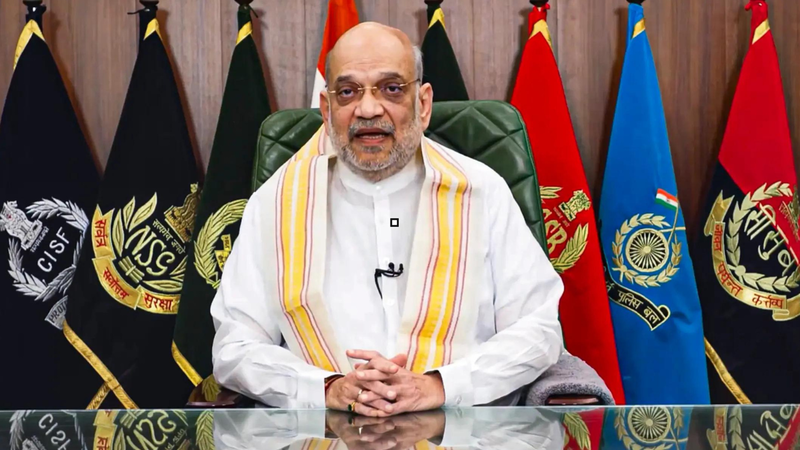
Indian Government Declares Shahzad Bhatti Network a Terrorist Outfit

PM Modi Helps Former Schoolmate Recover Land After Long Dispute
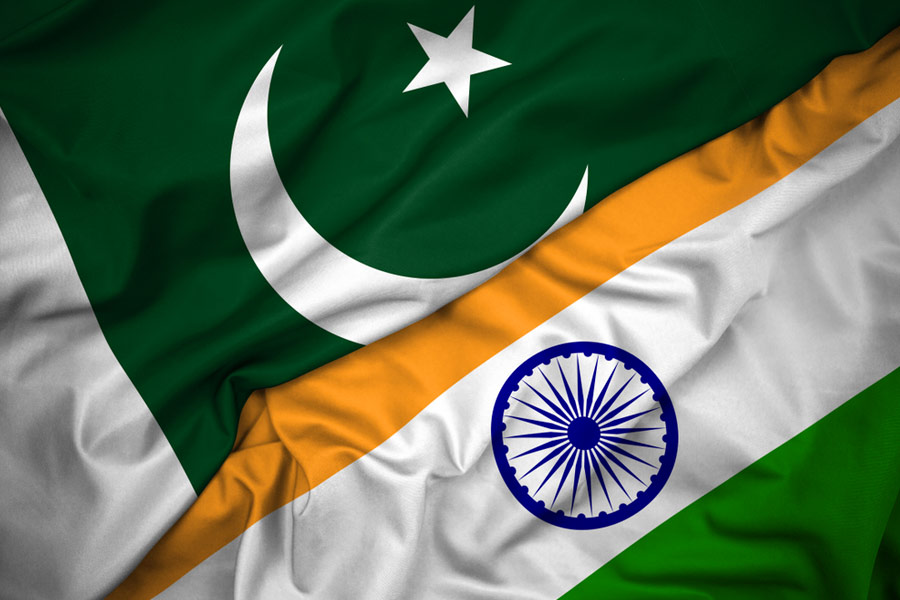
Naval Collision in Arabian Sea Heightens India-Pakistan Tensions

Telangana CM Launches Inquiry Into Alleged Land Irregularities