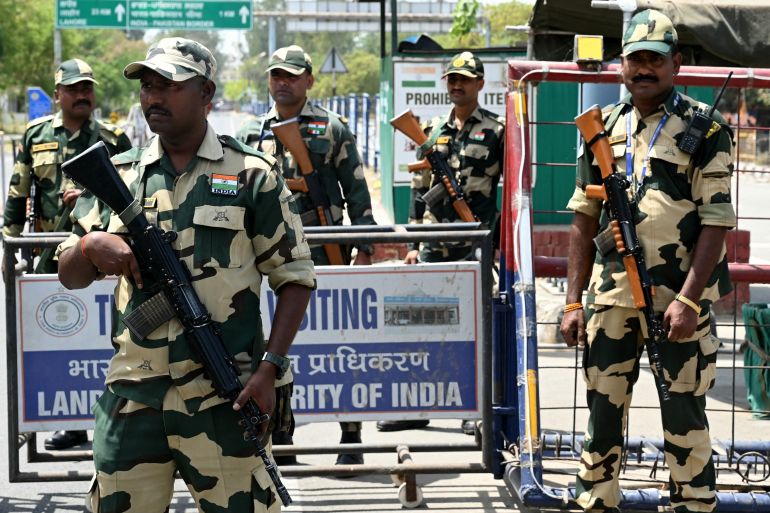
Indus Waters Treaty: Its Importance in India-Pakistan Relations


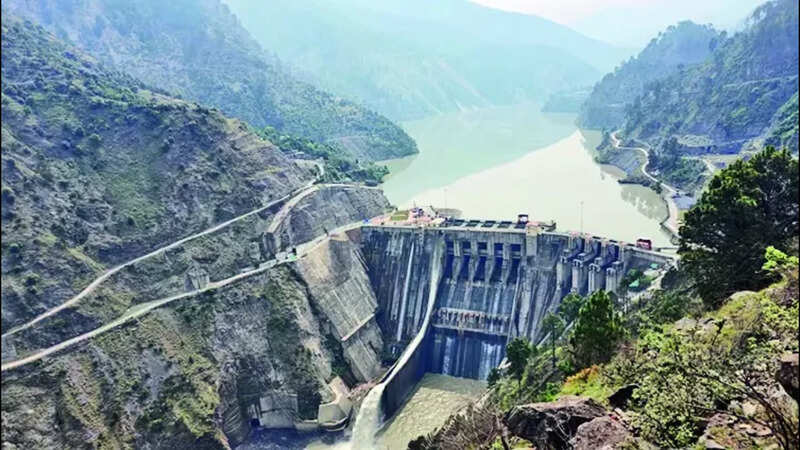
The Indus Waters Treaty, signed in 1960, governs the use of water from the Indus River and its tributaries, which flow through India and Pakistan. This bilateral agreement was brokered by the World Bank and aims to ensure a fair distribution of water resources between the two nations.
The treaty allocates the waters of the Indus River system into three eastern rivers, the Beas, Ravi, and Sutlej, which are under Indian control, and three western rivers, the Indus, Jhelum, and Chenab, assigned to Pakistan. This arrangement has been pivotal in managing water resources in a region often fraught with political tensions.
The treaty has endured various crises stemming from political conflicts, including military confrontations between the two countries. Despite these tensions, both nations have largely adhered to the treaty's stipulations, showcasing its significance in maintaining a semblance of cooperation.
Experts highlight that the Indus Waters Treaty is not merely a water-sharing agreement; it also serves as a framework for dialogue between India and Pakistan. As per the Pakistan Ministry of Foreign Affairs, the treaty has helped in mitigating disputes that could arise from water scarcity issues—something that could escalate given the increasing demands for water from both agriculture and energy sectors.
The importance of the treaty has been reaffirmed by various water management experts. According to water resource advocate Dr Ayesha Khan, “The treaty is the cornerstone of water relations between the two nations and must be preserved for future generations.”
Recently, discussions around the treaty have gained renewed attention amid ongoing regional challenges, such as climate change and the increasing population pressures in both India and Pakistan. Ensuring the sustainability of this agreement will be critical for the future of billions who rely on these water resources.
Given the treaty's crucial role, many analysts suggest that both nations should continue to engage in dialogue and cooperation to address the growing challenges posed by water needs, climate change, and geopolitical dynamics in South Asia. Ensuring a fair and equitable implementation of the treaty can contribute to regional stability and peace, reinforcing the necessity of collaboration in water resource management.
In summary, the Indus Waters Treaty stands as a significant framework for India-Pakistan relations, underscoring the necessity for ongoing dialogue and cooperation to safeguard vital water resources in a region where water scarcity could lead to increasing tensions.

Kerala Initiates Probe into 2006 Suicide Case Involving CEC

Extradition of Sheikh Hasina Feasible, Says Indian High Commissioner

Punjabi Makeup Artist Mad Sandhu Shot Dead in Amritsar

India Achieves Fourth Place at Asian Games 2026 Through Late Success