Understanding Cardiovascular-Kidney-Metabolic Syndrome


The interconnectedness of the body's organs is particularly evident in heart health, where conditions such as diabetes, obesity, high blood pressure, and chronic kidney disease are all major contributors to cardiovascular diseases. As heart disease remains the leading cause of death among women in the United States, with an alarming statistic forecasting that around 60% of American women will develop it over the next quarter-century, addressing these intertwined health issues has become increasingly vital.
Recently, the American Heart Association (AHA) and the American College of Cardiology (ACC) released the first comprehensive clinical guidelines aimed at preventing and treating what is known as cardiovascular-kidney-metabolic (CKM) syndrome. This health condition epitomises the complex interactions among diabetes, chronic kidney disease, and obesity, which together compound the risk of heart disease.
Dr. Sam Setareh, director of cardiology at Beverly Hills Cardiovascular and Longevity Institute, emphasised the intrinsic link between these health issues, stating, "Kidney, metabolic, and heart issues are biologically interconnected and often drive one another." He noted that excess body weight can lead to insulin resistance and diabetes. Such conditions may damage blood vessels and the kidneys, ultimately heightening the risk of heart disease. The cumulative effect of these conditions results in a greater risk than any one condition alone.
The guidelines have arrived at a crucial time, considering that 90% of adults in the U.S. possess at least one risk factor for CKM syndrome, including high blood pressure, abnormal cholesterol levels, reduced kidney function, excess weight, and high blood sugar levels. Dr. Chiadi E. Ndumele, who heads obesity and cardiometabolic research at Johns Hopkins School of Medicine, stressed the importance of early screening and coordinated care to prevent serious cardiovascular complications before they manifest.
Particularly for women in midlife, understanding CKM syndrome is essential. This demographic often becomes more susceptible to conditions contributing to heart disease, particularly during the transitional phases of perimenopause and menopause, when hormones decline. During this time, weight gain, insulin resistance, hypertension, and early-stage kidney dysfunction become increasingly prevalent.
To mitigate the risk factors associated with CKM syndrome, experts recommend several proactive health measures. These include adopting heart-healthy dietary patterns—such as the Mediterranean or DASH (Dietary Approaches to Stop Hypertension) diets—which focus on consuming ample vegetables, whole grains, and fruits. Regular physical activity that incorporates both aerobic and resistance training is also essential.
Quality sleep, ranging from seven to nine hours nightly, is another cornerstone of maintaining cardiovascular and metabolic health. Monitoring blood pressure, blood sugar levels, body mass index (BMI), and cholesterol is critical. Working closely with a healthcare professional can help ensure these parameters remain within healthy limits.
In addition, experts suggest quitting smoking and preventing the initiation of tobacco use. Women are encouraged to consult with their obstetrician-gynaecologist regarding treatments for perimenopause and menopause, which could include hormone replacement therapy (HRT). Finally, discussing options for medications and treatments that may assist with metabolic, kidney, and heart issues—such as surgical interventions and GLP-1 receptor agonists—should also be part of a comprehensive strategy.
Recognising the interdependent nature of metabolic, kidney, and cardiovascular health is crucial for women, particularly in midlife, as they navigate increased health risks. The new guidelines aim to foster a more integrated approach to managing these complex conditions, ultimately enhancing outcomes for women at risk for heart disease.
Kerala Initiates Probe into 2006 Suicide Case Involving CEC

Extradition of Sheikh Hasina Feasible, Says Indian High Commissioner

Punjabi Makeup Artist Mad Sandhu Shot Dead in Amritsar
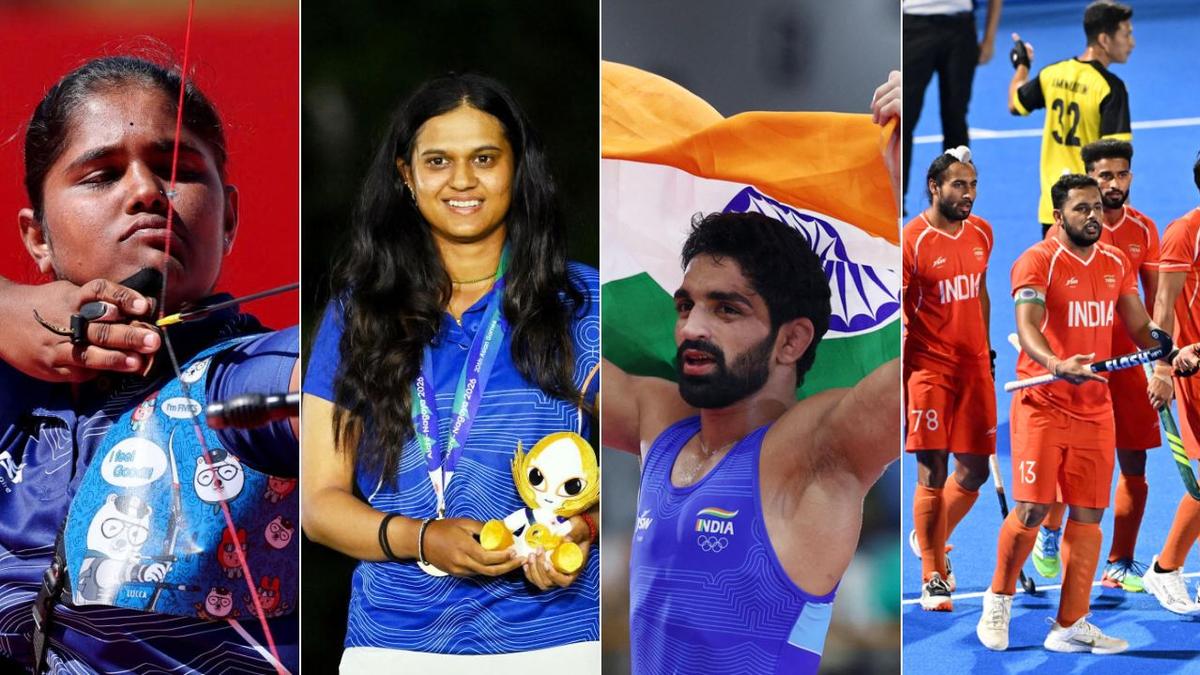
India Achieves Fourth Place at Asian Games 2026 Through Late Success