Ukrainian Forces Target Russian Refinery Amid Fuel Crisis


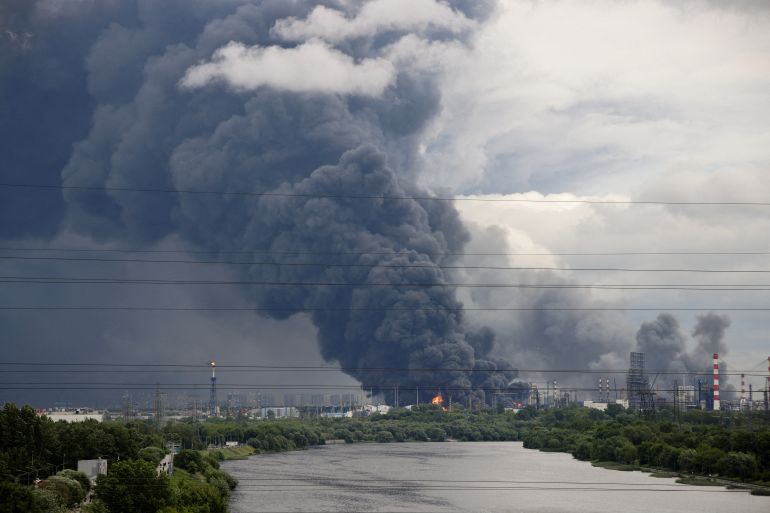
Ukraine has intensified its drone assaults on Russian energy infrastructure, targeting oil refineries to disrupt fuel supplies. In the latest incident on Monday night, Ukrainian forces struck the Afipsky refinery in the Krasnodar region, which has a daily processing capacity of 180,000 barrels. This attack resulted in a significant fire and damage to the facility, as reported by Veniamin Kondratiev, the governor of Krasnodar, on his Telegram channel. Tragically, two individuals were killed due to falling debris at the nearby railway station.
The Afipsky refinery, owned by ForteInvest, has previously faced strikes, marking a continued pattern of Ukrainian actions aimed at diminishing Russia's domestic fuel supply. Since spring, there has been a notable reduction in gasoline and diesel availability in Russia, a situation exacerbated by nearly daily drone strikes extending deep into Russian territory, over 1,600 kilometres from the Ukrainian border.
In an attempt to alleviate fears regarding fuel shortages, Russia’s Deputy Prime Minister Alexander Novak announced that some refineries were getting back to operational status after undergoing repairs, promising a potential increase in domestic supply. However, fuel rationing has already been observed in various regions, with many gas stations in urban areas running dry.
Recent reports indicate that Russia's diesel and gasoil exports have plummeted, reflecting the ongoing crisis that afflicts the nation's energy sector. Moscow has imposed restrictions on diesel exports amidst these challenges, creating additional strain on global fuel markets.
As Ukraine continues its operations targeting Russian energy sites, the situation remains precarious for both nations and the broader global fuel landscape. Ukrainian officials have indicated that these attacks are a strategic effort to undermine Russia's military capabilities and economic resilience by reducing the revenue streams generated from fuel sales. The conflict has clearly escalated in terms of direct impacts on energy production and supply, showcasing the interconnectedness of warfare and global commodity markets.

Kerala Initiates Probe into 2006 Suicide Case Involving CEC

Extradition of Sheikh Hasina Feasible, Says Indian High Commissioner

Punjabi Makeup Artist Mad Sandhu Shot Dead in Amritsar

India Achieves Fourth Place at Asian Games 2026 Through Late Success