Ukrainian Drone Strike Kills 13 in Russia's Nizhnekamsk


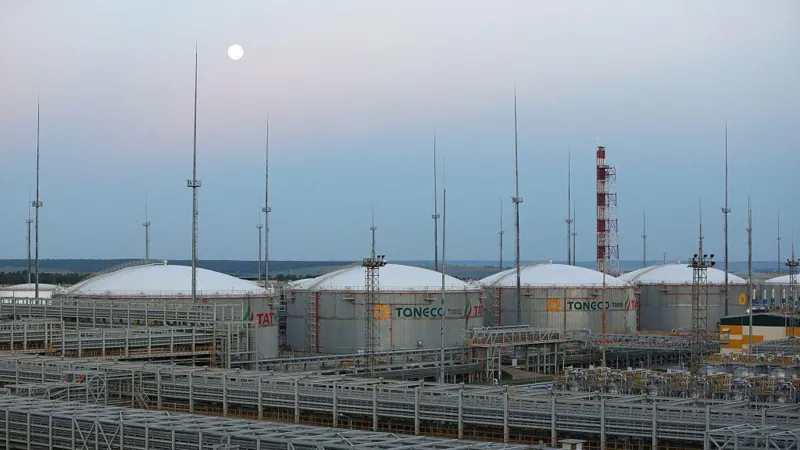
A day of mourning has been declared in the Republic of Tatarstan following a drone strike attributed to Ukraine that resulted in the deaths of at least 13 individuals, including a child. The incident occurred in Nizhnekamsk, a city approximately 800 kilometres east of Moscow. Regional authorities reported that at least 39 people were injured in the attack, targeting an oil facility.
Rustam Minnikhanov, the head of Tatarstan, condemned the attack as 'barbaric' and stated that civilian infrastructure was affected. Reports indicate that the Uzbek consulate in Kazan confirmed at least seven of the deceased were Uzbek nationals. Uzbekistan maintains a significant workforce in Russia, with many of its citizens employed there, contributing to its economy through remittances.
In the context of the ongoing conflict, both Ukraine and Russia have been actively engaging in drone attacks, with Ukraine aiming to disrupt Russia's oil production and military logistics. The Russian Defence Ministry claimed to have intercepted over 450 Ukrainian drones in a single night, highlighting the scale of the ongoing hostilities.
Svetlana Petrenko, spokesperson for the Investigative Committee of Russia, stated that a child was amongst those killed, labelling the incident as a terrorist attack. She noted that Ukraine's military targeted industrial facilities and innocent civilians.
In response to the strike, Russia has launched a criminal investigation. Petrenko mentioned, “A criminal case has been opened regarding the terrorist attack carried out by Ukrainian armed forces on industrial and civilian facilities in the Republic of Tatarstan.”
Journalist Yulia Shapovalova, reporting from Moscow, noted the attack follows several previous assaults on the same industrial area during June and July. Ukraine’s long-range drone strategy is aimed at crippling Russia’s war economy by disrupting fuel production and military supply lines.
Major Robert 'Magyar' Brovdi, a Ukrainian commander, indicated that recent strikes in Crimea are part of a campaign to render the peninsula unusable for Russian military operations. Crimea has been under Russian control since its annexation in 2014. Brovdi emphasised that his forces are currently operating at just 14 percent of their necessary capacity, highlighting the urgent need for quicker financial support from Western allies.
Despite logistical challenges, Ukraine's summer offensive in Crimea has caused substantial damage to Russian supply structures, targeting vital infrastructure like rail bridges and oil depots.
In correlated developments in Ukraine, authorities in Kharkiv reported that a recent artillery attack by Russian forces on a residential area resulted in the deaths of five individuals. An investigation into potential war crimes is underway in response to this assault, which occurred in the Chuhuiv district.
Ukrainian President Volodymyr Zelenskyy has stated that attacks on Russian oil refineries will persist, asserting that Moscow is beginning to feel the repercussions of the ongoing conflict. He has also indicated plans to discuss peace efforts with mediators this week.
In terms of agricultural impacts, Ukraine's Agriculture Minister Taras Vysotskyi announced a reduction in the nation’s grain export forecast for the 2026/27 season, revising it down by up to 12 percent due to Russian attacks on key port facilities. The current target for grain exports has been set at between 38 and 40 million tonnes, contrasting with earlier projections of 43 million tonnes given the escalating situation.
The blockade of Odesa's ports, vital for Ukraine's agricultural output, could lead to potential losses of approximately $3 billion this year as more than 90 percent of Ukraine's grain exports rely on these maritime routes.
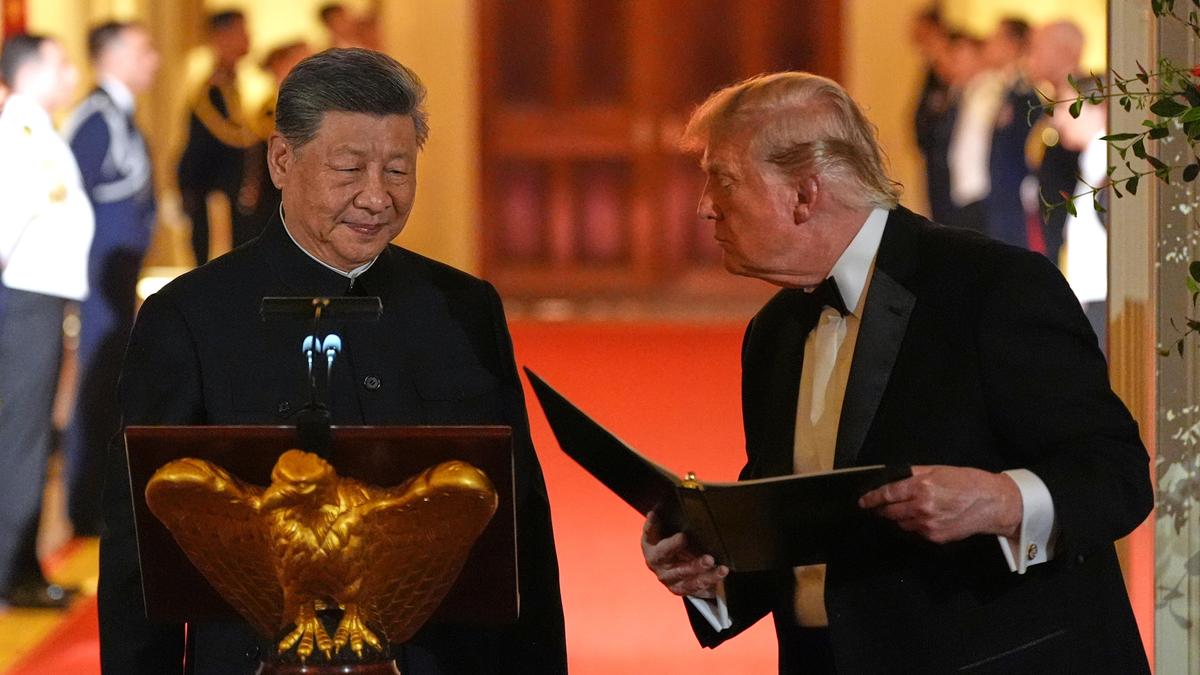
Trump and Xi Discuss Trade, AI, and Taiwan Amid Diplomatic Tensions

Xi Jinping Seeks Greater Concessions from Trump Amid Trade Talks
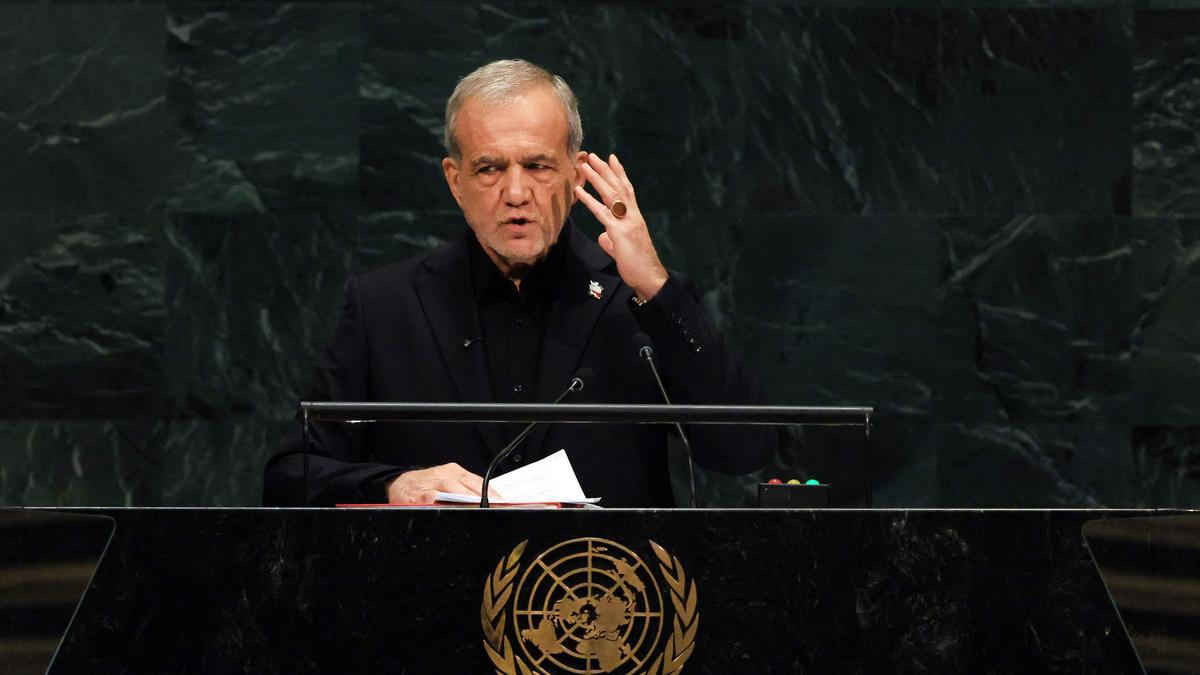
Iran's President Addresses Ongoing Conflict and External Threats

United States Invites Vladimir Putin to Miami G20 Summit