Ukraine Pressured to Halt Strikes on Russian Fuel Infrastructure



Former United States President Donald Trump has publicly urged Ukrainian President Volodymyr Zelenskyy to halt military strikes on Russian diesel refineries. Trump claims that these attacks are contributing to a global diesel shortage, which he argues is harming economies worldwide. Speaking at the Amgen Irish Open last Sunday, he stated, "Mr. Zelenskyy has to do one thing: He has to stop knocking out diesel fuel in Russia."
The conflict between Russia and Ukraine has intensified, particularly regarding strikes on oil and gas facilities. Ukrainian forces have targeted Russian energy infrastructure, aiming to curtail Moscow's oil output, which is prone to fluctuations despite Russia being a leading oil producer. The impact of these strikes has been felt globally, with increases in fuel prices contributing to rising economic pressures in various countries.
Recent data indicates that Ukrainian military actions have severely affected Russian fuel oil exports, which fell significantly in August to 591,000 barrels per day, compared to the previous year's average. Ukraine maintains its stance that attacking Russian energy resources is a legitimate military strategy, as these resources underpin Moscow's financial capabilities in the ongoing conflict.
The repercussions of this conflict extend to civilian populations in both countries. Chris Beauchamp, chief market analyst at IG Group, noted that attacks on petrol stations and refineries in Russia have resulted in shortages, particularly in cities such as St Petersburg. Beauchamp commented that while the situation impacts Russia's key export industry, it primarily affects Russian civilians and is intended to increase domestic pressure on President Vladimir Putin.
The international market has also been witnessing severe oil price surges, with diesel prices in the United States reaching record highs. With midterm elections approaching in the U.S., rising fuel costs are becoming a liability for Trump’s Republican party, prompting him to address the diesel issue publicly. Recent statistics show that U.S. diesel prices have increased significantly since the onset of the U.S. military's involvement in the Middle East, following the strikes on Iran earlier this year.
Experts suggest that while Ukraine's attacks on Russian fuel infrastructure play a role in the diesel shortage, the ongoing conflict in the Middle East is a more significant factor. The International Energy Agency has pointed to damage to refineries in both regions, indicating a combination of crises impacting global oil supplies. Andreas Krieg, a senior lecturer at King’s College London, emphasized that the situation in Iran constitutes a larger systemic shock to global energy availability. Overall, these interconnected crises highlight the complexities and multifaceted nature of the current global energy landscape, as the continued conflict affects both local and international markets.
US Space Force confirms weapons deployed in space orbit

Maruti Suzuki Exports One Lakh Units of Jimny and Fronx to Japan

Hyderabad Introduces Gold-Plated Ganesh Idol Adorned with Diamonds
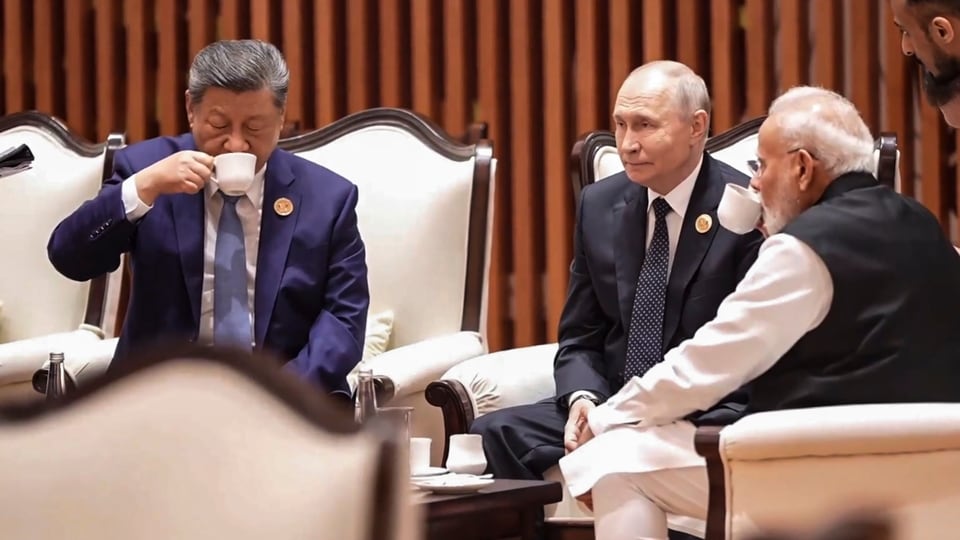
BRICS Summit 2023 Highlights Warm Interactions Among Leaders