Ukraine Enhances Role in Iranian Conflict by Sharing Intelligence


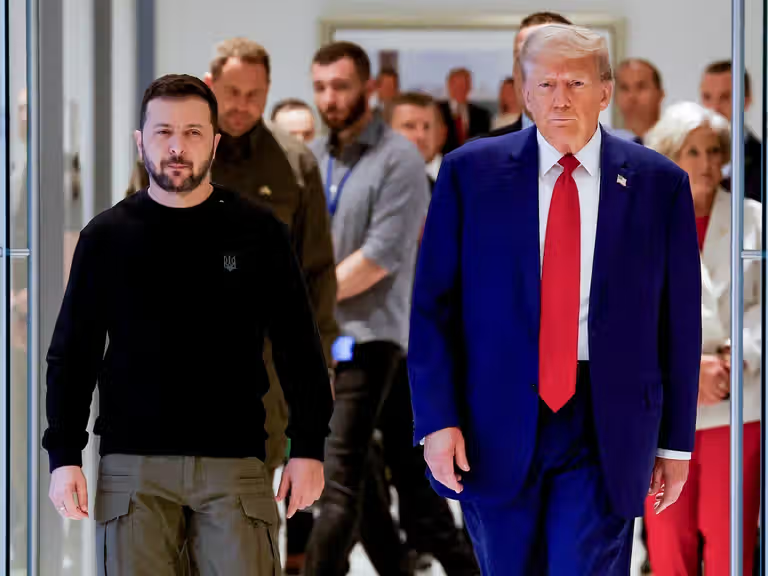
Ukraine is intensifying its involvement in the conflict involving Iran, announcing plans to disseminate intelligence regarding Russian assistance to the Iranian government. President Volodymyr Zelenskyy confirmed this move on Saturday, stating that he would direct Ukrainian intelligence to provide cooperating nations with information indicating that Russia has played a role in enabling Iran to plan attacks against US military installations and nearby states. In a post shared on the social platform X, Zelenskyy revealed that since early July, there has been notable Russian satellite activity aimed at surveilling Gulf states and US military facilities. He alleged that images collected by these satellites were subsequently provided to Iran. He noted a specific correlation between the intelligence gathered by Russia and the timing of Iranian strikes. "On July 19 and 20 alone, four air bases were under the scrutiny of Russian satellites—two in Bahrain, one in Jordan, and one in Kuwait," he stated, emphasising the need for the international community to acknowledge the threats posed by such collaborations. While Zelenskyy did not produce evidence to substantiate these claims, the commitment to share intelligence can signify a significant strategic initiative for Ukraine, particularly in light of its experience in countering threats posed by Iranian-designed drones. CBS News reported that Zelenskyy intended to present the United States with evidence of Russia's assistance to Iran. This revelation stands in direct contrast to statements made by US President Donald Trump, who previously asserted his confidence in Russian President Vladimir Putin's guarantees that Moscow was not aiding Tehran. In another development, Zelenskyy reported successful long-range strikes in the Caspian Sea, targeting what he described as military supply vessels linked to Iran and a Russian warship, although he did not specify the exact assets targeted or the extent of damage incurred. An Iranian commercial vessel was confirmed to have been hit, resulting in the death of one sailor and injuries to another. The Iranian Foreign Ministry condemned this as an act of aggression and stated that Iran would safeguard its national interests. Tehran summoned Ukraine's chargé d'affaires to voice its objections against what it termed a "hostile and criminal" attack. It remains unclear whether the struck vessel was indeed one involved in military supply operations. These exchanges indicate a shifting military dynamic, as Ukraine seeks to undermine Iranian support for Russia while simultaneously offering its expertise to the US and regional allies to counter Iranian military efforts. Notably, Iranian drones have been instrumental in Russia's offensive operations in Ukraine, raising questions about the flow of assistance between the two nations in both directions. Reports from Reuters indicated that Iranian drone attacks on US Central Intelligence Agency facilities in the Persian Gulf prompted US intelligence analysts to explore the potential of Russian involvement in providing targeting information or advanced drone technology. This investigation is ongoing, with US officials reportedly weighing the effectiveness and precision of the attacks against the backdrop of Russia's broader military support for Iran. Ukraine has previously proposed its drone interception capabilities to Middle Eastern nations facing threats from Iranian drones, leveraging its experience in countering similar attacks originating from Russia. Additionally, Ukraine has increasingly leveraged the Caspian Sea as a logistical corridor for military operations, despite its geographical distance from the main battlefields in Ukraine. In earlier strikes, Ukraine targeted Russian-flagged vessels allegedly transporting military supplies to Iran and Iran's involvement in supplying drones to Russia has been acknowledged, although Tehran has denied providing weapons for use in Ukraine. The unfolding developments signal an escalating confrontation, with Ukraine committed to not only disrupting Iranian support to Russia but actively collaborating with the US and its allies to expose and potentially counter Russian support for Iranian military operations. At the same time, US President Trump confirmed ongoing discussions with Iran regarding potential military responses, including options for targeted strikes. While he acknowledged the possibility of a more expansive military campaign, Trump indicated a preference for reaching a negotiated agreement aimed at preventing nuclear armament in Iran. His remarks surfaced alongside reports of renewed military actions against Iranian sites by US allies, such as Bahrain and Kuwait, marking a notable shift in regional military engagement, especially as both nations host US military bases.
Kerala Initiates Probe into 2006 Suicide Case Involving CEC
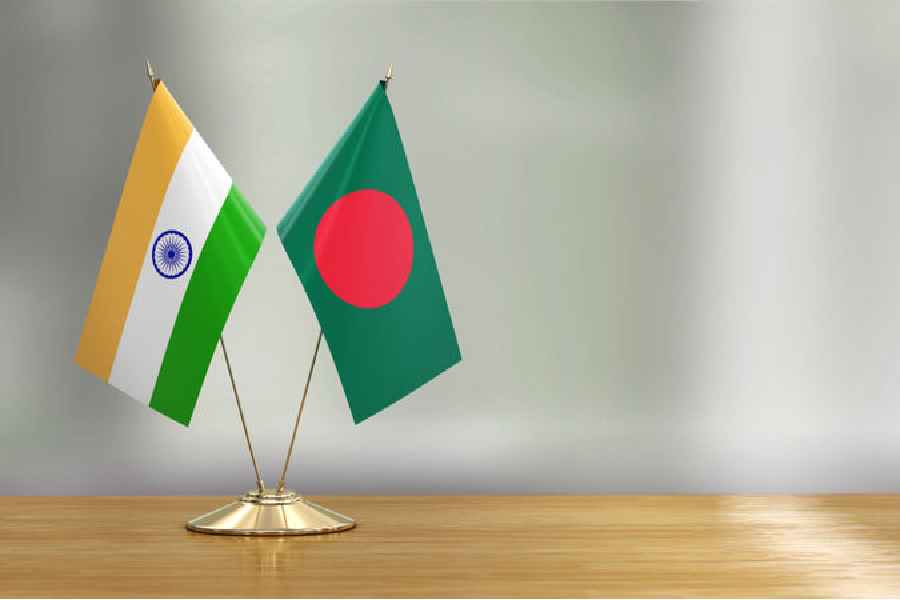
Extradition of Sheikh Hasina Feasible, Says Indian High Commissioner

Punjabi Makeup Artist Mad Sandhu Shot Dead in Amritsar

India Achieves Fourth Place at Asian Games 2026 Through Late Success