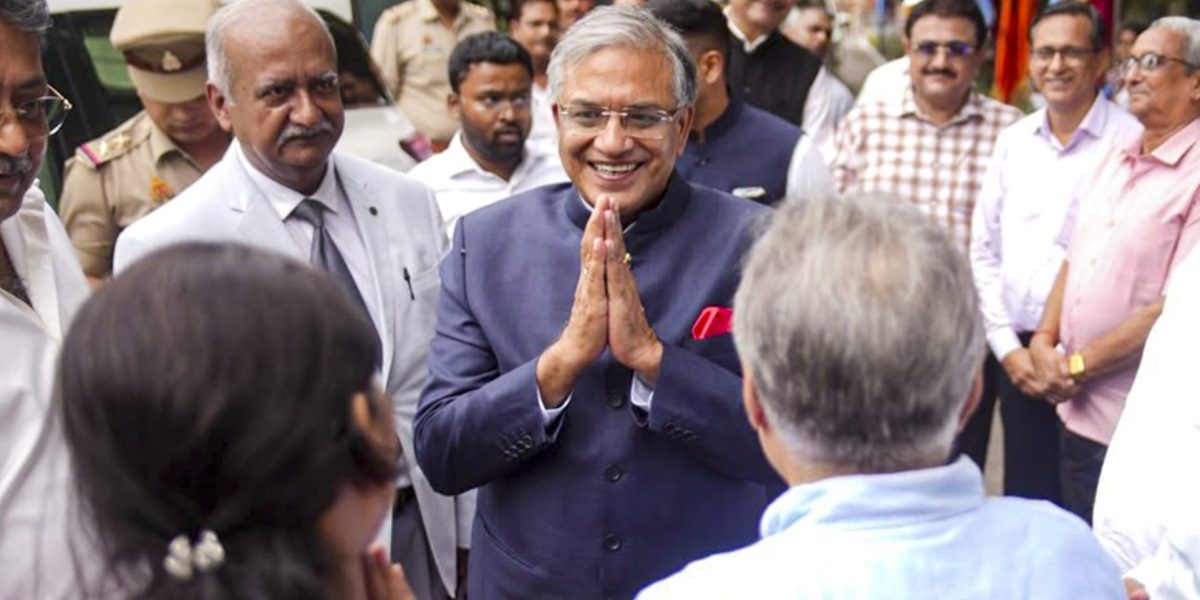
Uday Kotak Highlights Potential Economic Impact of US-Iran Tensions


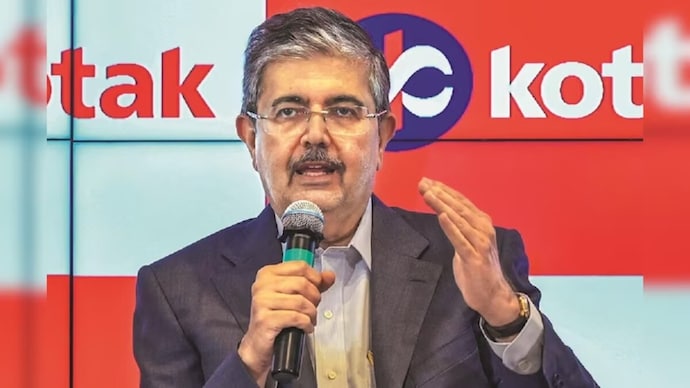
Uday Kotak, a prominent figure in the finance sector, has cautioned that India may soon face significant economic challenges as a result of the ongoing tensions in the Middle East, particularly those related to the US-Iran conflict. Speaking at the Confederation of Indian Industry (CII) Annual Business Summit 2026 in New Delhi, Kotak expressed his concerns regarding the potential ripple effects on energy prices and the broader economy.
Kotak emphasised that although the immediate impacts of the conflict may not have been fully felt, significant challenges are on the horizon. "We have not yet seen the impact in the last two months of the Middle East war in terms of energy price transmission. It’s coming, and it’s coming big," he stated. He pointed out that many consumers have benefited from older fuel inventories, which have acted as a buffer against rising prices, but this situation may soon change.
The industrialist noted that India’s reliance on imported oil (over 85% of its requirements) places the country in a precarious position, susceptible to global price fluctuations. Kotak warned that such increases could lead to inflation, impact the rupee's value, and challenge overall financial stability. "Be ready for tough times, rather than waiting for the shock to hit us," he advised.
During the summit, Union Petroleum Minister Hardeep Singh Puri acknowledged the situation, revealing that oil companies are currently incurring losses of approximately ₹1,000 crore daily to maintain stable pump prices. With global crude prices soaring from $65 to nearly $115 per barrel, the anticipated under-recoveries for the first financial quarter could reach ₹1.98 lakh crore.
Despite the mounting costs, Kotak reassured attendees of the government’s measures to maintain energy supplies amid global disruptions. After a meeting of the Informal Group of Ministers (IGoM), it was confirmed that India has reserves covering about 60 days of demand for crude oil and natural gas.
Prime Minister Narendra Modi further echoed the need for austerity, urging citizens to reduce fuel consumption, adopt flexible work arrangements, and reconsider non-essential purchases, such as gold. His comments sparked criticism from opposition leaders, with Congress member Jairam Ramesh expressing concerns over possible future cost-cutting measures and questioning the government’s timing on issuing such warnings after recent elections.
Kotak also highlighted the necessity for stronger financial discipline at both government and corporate levels. He indicated that India's economic resilience will rely heavily on resource management and the development of robust companies. Furthermore, he noted that the focus on short-term performance cycles among Indian businesses could undermine long-term stability. "The ability to take a 3-5 year view is significantly required, and is missing," he remarked.
As political tensions and rising energy prices continue to dominate discussions, the path ahead for India remains uncertain. The complexities of the geopolitical landscape necessitate careful monitoring and strategic planning to mitigate incoming economic shocks.
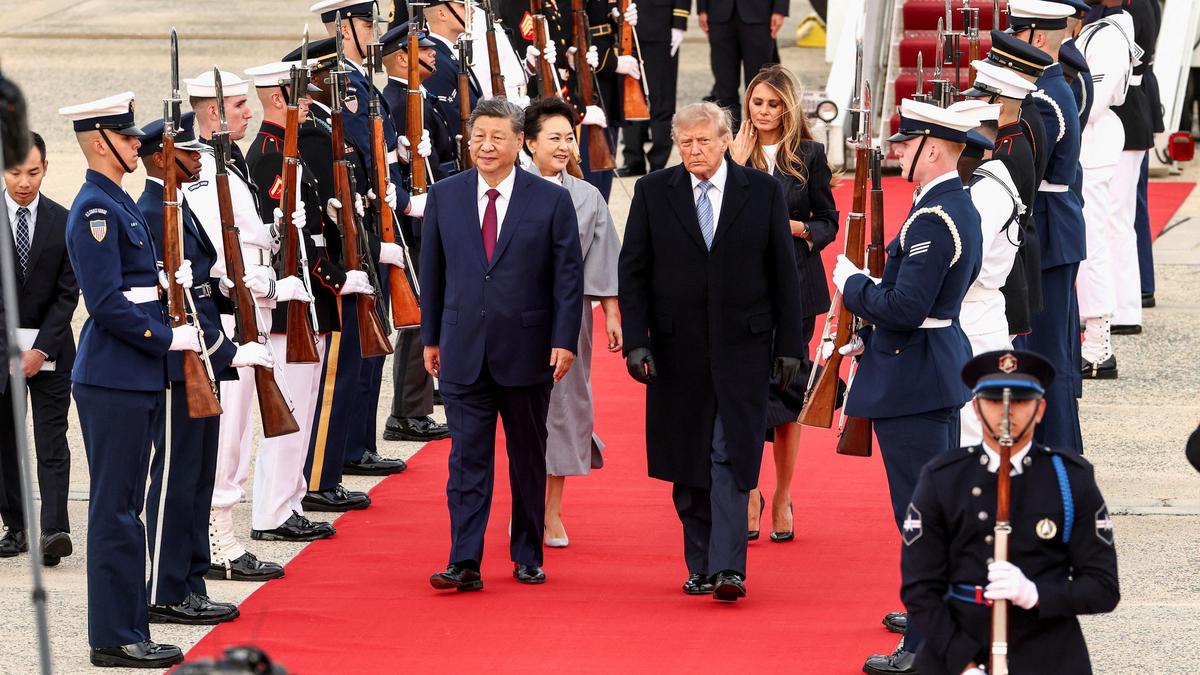
Chinese President Xi Jinping Begins State Visit to Washington
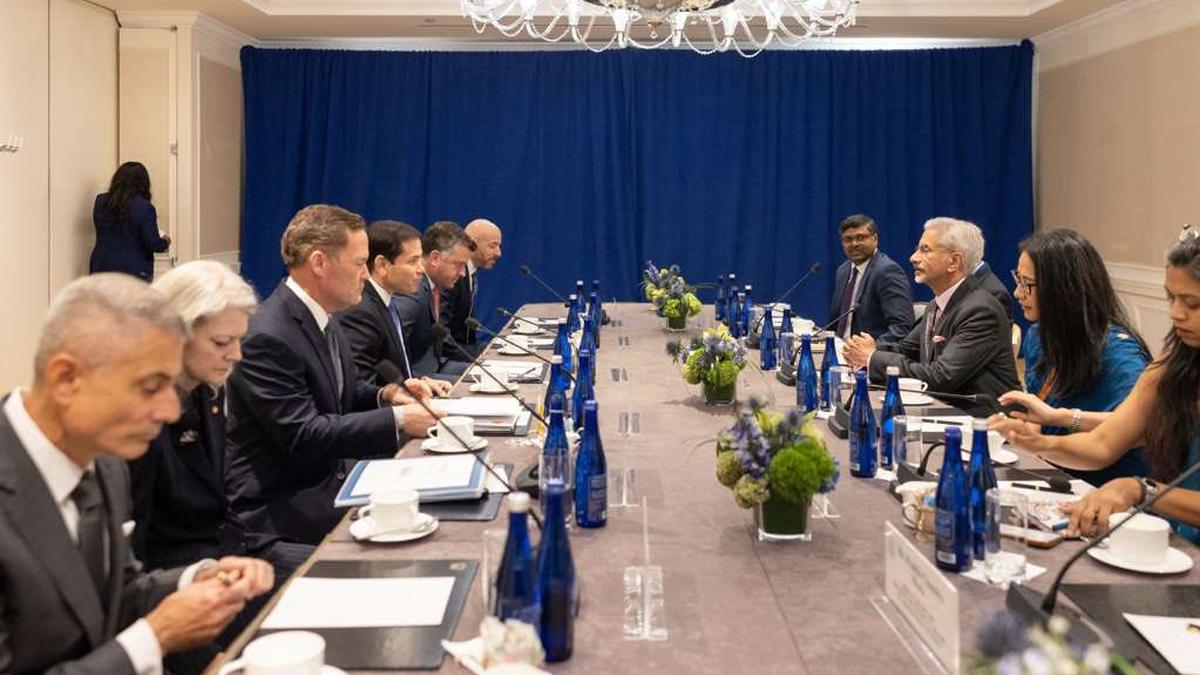
Jaishankar Discusses US Tariff Concerns with Secretary Rubio
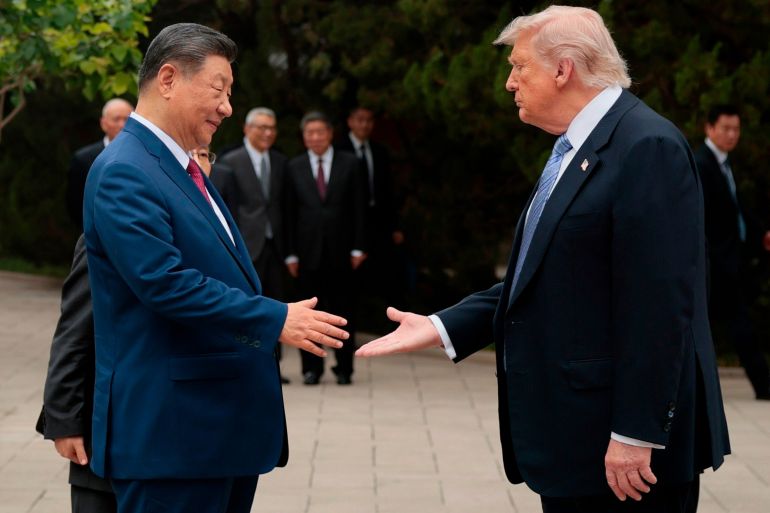
US and China Leaders Discuss AI Rivalry Amid Global Concerns
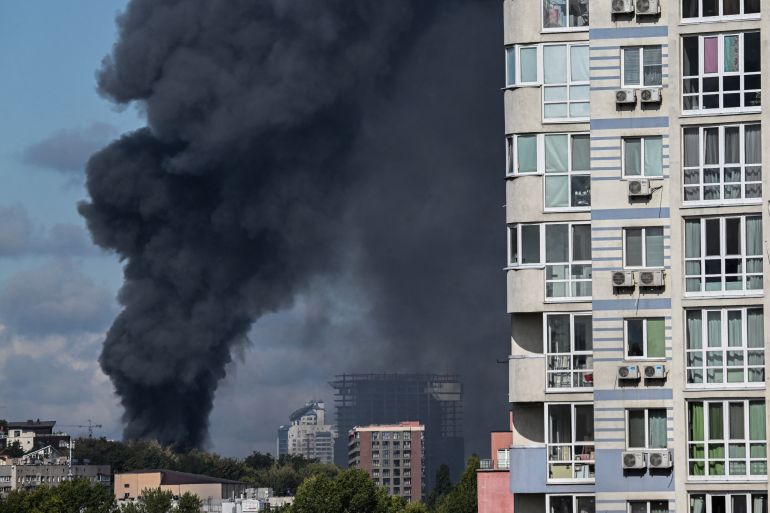
Russian Drone Strikes Kyiv, Donetsk Following Zelenskyy-Trump Talks