Trump Visits China: Key Topics and Historical Context of Meetings


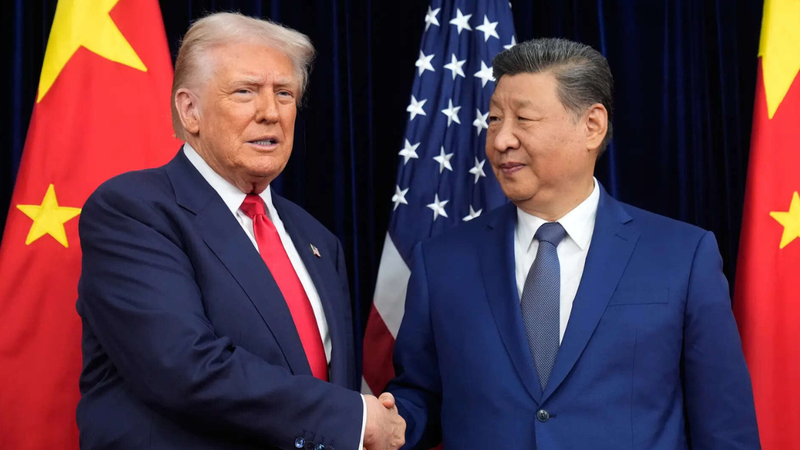
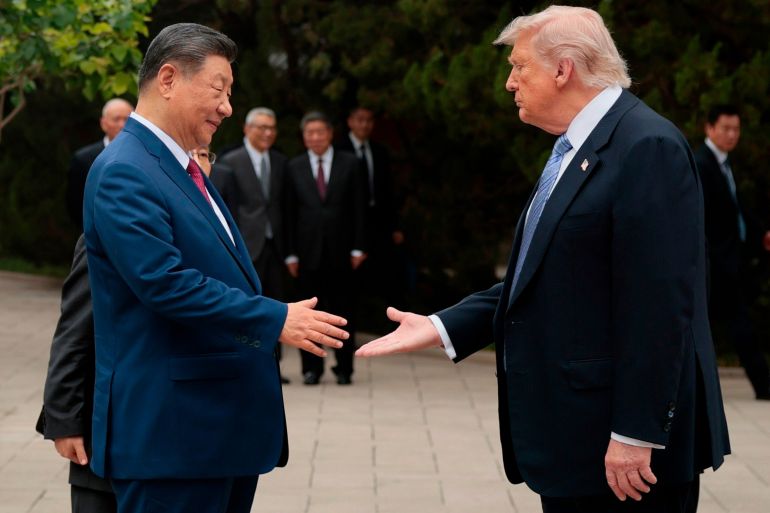
United States President Donald Trump is set to visit China this week, marking a significant diplomatic engagement between the two superpowers. This visit represents Trump's seventh face-to-face meeting with Chinese President Xi Jinping and is the first by a US leader to China since 2017.
The agenda for the three-day summit, which begins on Wednesday, includes discussions on several pressing issues such as the ongoing US-Israel conflict concerning Iran, trade relations, and the status of Taiwan.
The history of encounters between Trump and Xi reflects a complex relationship that has evolved over several years. Their first meeting occurred at Trump’s Mar-a-Lago resort in Florida on April 6, 2017. At that time, Trump was newly inaugurated and had just taken a strong stance against China's trade practices during his presidential campaign.
Trump's acceptance of a phone call from Tsai Ing-wen, then-President of Taiwan, had already stirred tensions with China, as it deviated from the long-standing diplomatic norm post-1979. At the Mar-a-Lago summit, both leaders appeared to foster a personal rapport, with Trump later claiming they made “tremendous progress” in their relationship. However, the backdrop of the meeting was complicated by Trump's decision to launch airstrikes against Syria when Xi was present.
Their subsequent meetings have typically occurred at major international forums, where they have tackled pressing global issues. At the G20 summit in July 2017, North Korea's nuclear ambitions and economic ties took centre stage. The Trump Administration initiated a trade war shortly thereafter by investigating alleged theft of US intellectual property, laying the groundwork for punitive actions against Chinese goods.
Trump visited China in November 2017, during which he participated in cultural events and formal receptions. He announced $250 million in business deals, although these deals were often tentative or pre-existing. This visit did not prevent the US from imposing tariffs on China in the months that followed.
In December 2018, Trump and Xi met during another G20 summit, where they sought to quell tensions exacerbated by tariffs imposed on both sides. Their conversation yielded a commitment to negotiate outstanding issues like intellectual property protections, amidst an escalating trade war.
A breakthrough occurred at the G20 summit in June 2019, where the leaders agreed to halt new tariffs and engage in ongoing trade negotiations. This culminated in a ‘phase one’ trade deal that aimed to address several economic disparities.
The need for direct dialogue resurfaced at the APEC summit in October 2025, where the leaders engaged again amid rising tariffs from both nations. Despite the agreement to pause their trade war, sector-specific restrictions and export controls remained points of contention.
As both leaders prepare for this latest summit, the discussions continue to carry the weight of previous encounters, with observers keen to see how their dialogue shapes future US-China relations.
Chinese President Xi Jinping Begins State Visit to Washington
Jaishankar Discusses US Tariff Concerns with Secretary Rubio
US and China Leaders Discuss AI Rivalry Amid Global Concerns

Russian Drone Strikes Kyiv, Donetsk Following Zelenskyy-Trump Talks